BI: Indonesia’s Islamic Finance Assets Reach Rp3,131 Trillion
BI - Indonesia’s Islamic finance industry has accumulated assets worth Rp3,131 trillion, underscoring the expanding role of sharia-based finance in the
Indonesia’s Islamic Finance Assets Climb to Rp3,131 Trillion
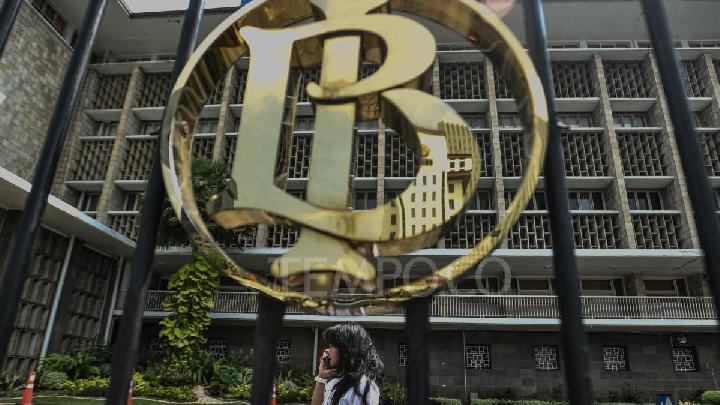
Tempatdonasi.com – BI – Indonesia’s Islamic finance industry has accumulated assets worth Rp3,131 trillion, underscoring the expanding role of sharia-based finance in the national economy. Bank Indonesia Governor Destry Damayanti said the sector’s continued development could help create another engine of growth, provided that financing, literacy, and halal industry links advance together.
Speaking at the opening of the 2026 East Java Regional Islamic Economy Festival in Surabaya on Saturday, September 26, 2026, Destry highlighted the need for a more connected Islamic economic ecosystem. Her priorities included wider access to Islamic financing, stronger halal value chains, and improved public understanding of Islamic economic products and principles.
“The key to achieving this is synergy. This spirit of synergy is what we are bringing to the 2026 East Java Islamic Festival,” Destry said.
Global Position and Growing Halal Sectors
Indonesia has continued to raise its standing in the global Islamic economy. The State of the Global Islamic Economy Report 2025/2026 placed the country fourth worldwide, reflecting its importance across a range of halal-related industries and Islamic financial activities.
Key halal value-chain sectors recorded annual growth of 5.50 percent during the second quarter of 2026. The increase was largely supported by halal food, Muslim fashion, and tourism services designed to meet the needs of Muslim travelers.
“Growth was mainly driven by the halal food, Muslim fashion, and Muslim-friendly tourism sectors,” she said.
These industries matter beyond their individual sales figures. Food producers, fashion businesses, tourism operators, small merchants, financial institutions, and digital platforms can all participate in the same wider economic network. Strengthening those links may make it easier for businesses to reach customers, obtain financing, and develop products that meet halal standards.
Destry said Indonesia’s progress should not be judged solely through asset values or rankings. The broader aim is for Islamic economic development to produce economic activity that reaches more people and delivers practical benefits to communities. That requires cooperation between government bodies, businesses, financial institutions, educational organizations, and other participants in the halal economy.
Literacy Shows Sharp Improvement
Public familiarity with Islamic economic and financial concepts has also increased substantially. Islamic economy literacy rose from 16.3 percent in 2019 to 50.18 percent in 2025. The improvement suggests that more Indonesians are becoming aware of sharia-based financial services and the wider halal economy.
Greater literacy can be important for consumers and small businesses alike. People who understand available financial products are better placed to consider services that fit their needs, while entrepreneurs may be more prepared to explore halal certification, market opportunities, and financing options. Still, awareness must be accompanied by accessible products and clear information if it is to translate into wider participation.
The emphasis on integration reflects the fact that Islamic finance is not limited to banking or investment. It can support production, trade, education, housing, charitable instruments, and small-business development. Bringing these elements together can help ensure that financial growth has a clearer connection to real economic activity.
East Java Takes Center Stage
The 2026 East Java Islamic Festival runs from September 25 to 27 with the theme, “Accelerating Sustainable Regional Islamic Economic and Financial Growth through Synergy and Digital Transformation.” The event is the final stop in the Road to Indonesia Sharia Economic Festival, or ISEF, 2026 series after earlier regional programs in Sumatra and eastern Indonesia.
Since 2019, the regional festival series has convened businesses, financial institutions, public agencies, and other stakeholders. Its purpose is to widen market access and strengthen Islamic financing across different regions of Indonesia.
East Java was chosen as host because of its major place in the country’s Islamic economic landscape. Muslims account for around 97.33 percent of the province’s population, while the region has 7,347 Islamic boarding schools. Those institutions give the province a large community base for education, entrepreneurship, social finance, and halal economic activities.
The festival’s programs include a community market and a culinary area focused on halal, safe, and healthy products. These initiatives are intended to open more market opportunities for micro, small, and medium enterprises, which are often central to local commerce and employment.
Other activities focus on cash waqf development for education and housing finance for teachers at Islamic schools and Islamic boarding schools connected to HEBITREN. Cash waqf is designed to channel charitable funds toward productive social purposes, while the housing initiative addresses a practical need for educators serving religious institutions.
Measuring Benefits Beyond Assets
East Java Governor Khofifah Indar Parawansa stressed that the scale of Islamic finance should be matched by visible public value. For her, strong asset growth is meaningful when it helps people gain access to opportunity and produces a wider positive impact.
“The success of the Islamic economy is measured not only by the size of its assets, but also by how broadly its benefits and positive impact are felt,” she said.
The Rp3,131 trillion figure therefore represents more than a milestone for Indonesia’s Islamic financial sector. It also raises the question of how effectively financial resources can support households, entrepreneurs, schools, and local economic ecosystems. The 2026 East Java Islamic Festival places that challenge at the center of its agenda, combining regional collaboration with digital transformation and efforts to make the halal economy more inclusive.
Related Reading
Frequently Asked Questions
What is BI?
BI is the main topic of this guide. The article explains the context, practical details, and next steps readers should understand.
Why does BI matter?
BI matters because readers are looking for a useful answer, not just a short summary. Good content should match search intent and help them decide what to do next.