
Big Spending Puts Pressure on the State Budget
Indonesia’s fiscal position is coming under sharper scrutiny after tax receipts reached only just over half of the annual target by the end of July 2026. The
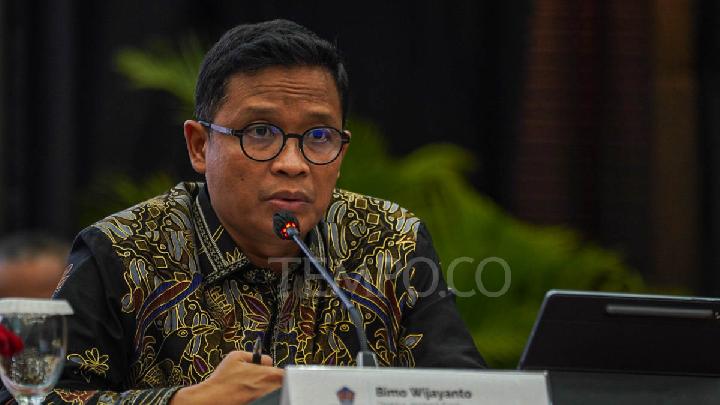
Indonesia Faces a Steep Tax Collection Challenge in the Final Months of 2026
Tempatdonasi.com – Indonesia’s fiscal position is coming under sharper scrutiny after tax receipts reached only just over half of the annual target by the end of July 2026. The government collected Rp1,209.6 trillion, roughly US$68.72 billion, during the first seven months of the year. That represents 51.31 percent of the Rp2,537.7 trillion, or about US$114.18 billion, tax target set in the 2026 State Budget.
The remaining task is substantial. To meet the target in full, authorities would need to raise a further Rp1,150 trillion, equivalent to around US$65.34 billion, in the five months after July. The pace of collection required for the rest of the year places significant pressure on tax administration, particularly because revenue gathering commonly loses momentum as the calendar moves toward year-end.
The gap matters because taxes are a core source of funding for the state budget. When tax income falls short of plans while public spending remains high, the budget deficit can become wider. That can force the government to reassess financing needs and weigh how to maintain fiscal priorities without creating unnecessary strain on businesses and investors.
Parliament Calls for Stronger Revenue Efforts
Concern over the shortfall was raised during a meeting on Monday, September 7, 2026, involving officials from the Finance Ministry’s Directorate-General of Taxes. Harris Turino, a member of the House of Representatives’ Commission XI, urged tax officials to intensify their work as the end of the year draws nearer.
Commission XI has responsibility for financial affairs, giving its members a direct interest in whether state revenue performs in line with the budget approved for 2026. The committee’s attention reflects the difficult balance facing policymakers: they need stronger tax receipts, yet they also need to avoid measures that could weaken confidence among companies or discourage new investment.
“Efforts to boost revenue should not disrupt the investment climate,” he said.
The statement underscores a central policy challenge. Revenue collection can be improved through better compliance, broader registration, and closer monitoring of taxable activity. At the same time, sudden or overly aggressive enforcement can raise concerns among taxpayers. A stable and predictable approach is particularly important when the government is trying to secure budget revenue while preserving economic activity.
Broader Tax Base Seen as a Key Tool
Bimo Wijayanto, the director-general of taxes, pointed to expansion of the tax base as an important part of the government’s response. Rather than relying only on existing taxpayers to provide more revenue, the strategy seeks to bring more people and economic activity into the tax administration system.
The Core Tax Administration System, widely known as Coretax, is supporting that effort. Bimo said the system had added 2 million new taxpayers to the tax base. Expanding the registered taxpayer population can give authorities a fuller picture of taxable transactions and economic activity, while potentially reducing dependence on a narrower group of compliant taxpayers.
“Expanding the tax base allows us to monitor economic activity across a broader reach,” he said.
For the public, the focus on the tax base is relevant beyond the headline revenue figures. A wider tax net may improve the government’s ability to identify activity that should be recorded in the formal system. It can also shape how tax authorities communicate with businesses, workers, and other taxpayers, especially as digital administrative systems become more central to compliance and oversight.
Coretax’s contribution of 2 million additional taxpayers illustrates the scale of the administrative push. Still, registration alone does not automatically translate into immediate revenue at the level needed to close the projected annual gap. The effectiveness of the system will depend on how well the broader taxpayer base can be monitored, supported, and integrated into regular compliance processes.
Growth Has Not Eliminated the Budget Risk
Tax revenue did grow through the first seven months of 2026. Bimo said receipts had risen by 12 percent by the end of July. That increase indicates that collections were moving upward, but the growth has not been sufficient to remove the prospect of a year-end shortfall against the State Budget target.
The director-general’s year-end projection stands at Rp2,310.9 trillion, or approximately US$131.3 billion. This estimate is Rp46.9 trillion, about US$26.18 billion, below the tax target established in the 2026 State Budget. The figures point to a projected miss even after accounting for the expected collections in the final months of the year.
There is also a clear fiscal implication. A shortfall of that size would leave the government with less tax income than planned. Unless spending or other revenue sources change, the difference would add pressure to the budget deficit. The scale of the deficit is important because it affects the government’s overall financing requirements and its room to respond to changing economic conditions.
The remaining months of 2026 will therefore be decisive for Indonesia’s fiscal managers. Tax officials face the immediate challenge of maintaining collection momentum during a period when receipts often slow. Policymakers face a parallel task: encouraging compliance and expanding the tax base while ensuring the push for revenue does not undermine the investment environment.
The July results show that the state remains far from its full-year collection objective, despite positive growth in tax receipts and the addition of millions of taxpayers through Coretax. Whether the final outcome moves closer to the budget target will depend on the performance of collections in the months ahead and on the effectiveness of efforts to capture a broader share of economic activity within the tax system.
Related Reading
Frequently Asked Questions
What is Big Spending Puts Pressure on the State?
Big Spending Puts Pressure on the State is the main topic of this guide. The article explains the context, practical details, and next steps readers should understand.
Why does Big Spending Puts Pressure on the State matter?
Big Spending Puts Pressure on the State matters because readers are looking for a useful answer, not just a short summary. Good content should match search intent and help them decide what to do next.