
France Intercepts Russian-Linked Oil Tanker in Atlantic
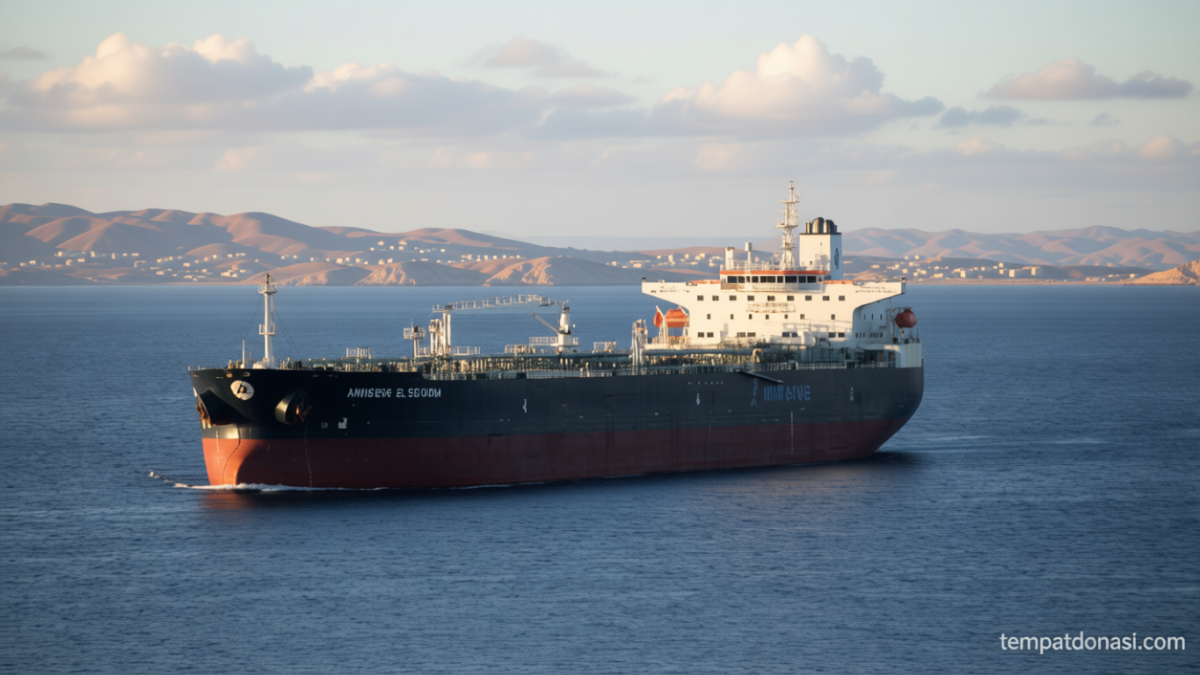
France Intercepts Russian Linked Oil Tanker – On Monday, French authorities announced that their naval forces had intercepted and redirected a sanctioned oil tanker associated with Russia in the Atlantic Ocean. The vessel, named *Tagor*, was reportedly boarded by French military personnel in international waters, as reported by *DW*. This move marks another step in France’s intensified efforts to combat sanctions evasion, a strategy aimed at curbing Russia’s financial support for its ongoing conflict in Ukraine.
Operation in International Waters
French President Emmanuel Macron emphasized that the operation took place on the high seas, west of the Brittany coast, and involved collaboration with multiple international partners. “This operation was conducted in strict compliance with the law of the sea,” he stated. “It is unacceptable for ships to bypass international sanctions, breach maritime laws, and sustain Russia’s war against Ukraine, which has lasted over four years.” Macron’s remarks highlight the growing determination of Western nations to enforce penalties against Russia’s circumvention of economic restrictions.
“It is unacceptable for ships to circumvent international sanctions, violate the law of the sea, and finance the war that Russia has been waging against Ukraine for more than four years,” Macron added.
The *Tagor* was sailing under the flag of Madagascar but was suspected of flying a false nationality. French prosecutors confirmed that the ship was detained after its Russian captain refused to comply with instructions. According to the French Maritime Prefecture of the Atlantic, an inspection team boarded the vessel, which had departed from Murmansk. The location, over 400 nautical miles west of Brittany, underscores the reach of France’s maritime surveillance in the Atlantic.
Russian Accusations of Illegality
Meanwhile, Russian officials have criticized the French action, calling it a violation of international law. Kremlin spokesperson Dmitry Peskov described the operation as “illegal” and “bordering on international piracy,” asserting that France’s interference threatens the security of Russian cargo. “Russia is taking measures to ensure the safety of its vessels,” he said, while expressing frustration with the European Union’s continued sanctions on Russian assets.
“We consider these acts illegal. They border on international piracy,” Peskov said. “Russia is taking measures to ensure the safety of its cargo.”
The interception reflects a broader campaign by France and its allies to disrupt Russia’s “shadow fleet,” a network of ships accused of evading sanctions through methods like flag-hopping or using invalid registrations. French officials stated that the operation targeted a vessel suspected of operating under a false flag, with documents later confirming the irregularity. This approach aligns with international legal frameworks designed to hold states accountable for financial misconduct.
Escalating Efforts Against Sanctions Evasion
France has intensified its operations against such vessels in recent months. While some ships have been allowed to continue their journeys after paying fines, Western governments have committed to stricter enforcement. The *Tagor* case is part of a coordinated effort to intercept ships that circumvent economic penalties imposed on Russia. This strategy is critical as the war in Ukraine persists, with sanctions serving as a key tool to limit Russia’s access to global markets.
The EU has sanctioned hundreds of vessels linked to Russia’s shadow fleet, yet many remain active. This highlights the challenges of monitoring vast maritime routes and enforcing compliance. France and the United Kingdom have both pledged to block such ships, with the UK’s Prime Minister Keir Starmer granting military authorization to board vessels suspected of involvement in the network. His March statement signaled a readiness to support France’s efforts in the Atlantic.
Impact of the Interception
The *Tagor* incident underscores the strategic importance of the Atlantic in the conflict’s economic dimension. By redirecting the ship, French authorities aim to intercept resources that could fund Russia’s military operations. The vessel’s suspected false flag status also raises questions about the transparency of international shipping practices. Such actions may force Russia to adopt more discreet methods, further complicating its access to global trade.
As sanctions enforcement becomes more aggressive, the stakes for Russia’s maritime activities grow higher. The EU’s sanctions list has expanded, targeting not only ships but also companies and individuals involved in facilitating trade with Russia. However, the resilience of the shadow fleet suggests that evasion remains a persistent challenge. France’s operation, though successful, is part of a larger, ongoing effort to weaken Russia’s financial leverage.
Broader Implications for International Trade
The case of the *Tagor* exemplifies how international maritime law is being used as a weapon in geopolitical conflicts. By boarding the ship and redirecting its cargo, France has demonstrated a willingness to enforce sanctions even in distant waters. This action has implications beyond the immediate conflict in Ukraine, as it sets a precedent for other nations to take similar measures against sanctioned entities.
International partners like the UK play a vital role in such operations, providing logistical support and shared intelligence. The collaboration between France and the UK reflects a unified front against Russia’s attempts to sustain its war effort through illicit trade. As the situation in Ukraine continues, the enforcement of sanctions is likely to become more frequent, with maritime routes under increased scrutiny.
The interception of the *Tagor* also raises concerns about the effectiveness of current sanctions mechanisms. While some ships have been fined for non-compliance, others continue to operate, indicating a need for more robust enforcement. French officials have highlighted the importance of thorough inspections, stressing that legal compliance must be prioritized in international waters.
Context of the Shadow Fleet
Russia’s shadow fleet operates as a clandestine network, allowing the country to bypass economic restrictions by using ships registered in neutral or friendly jurisdictions. The *Tagor* was flagged as part of this system, with its Madagascar registration serving as a veil for its Russian ties. French authorities have targeted similar vessels, demonstrating a proactive stance in disrupting supply chains.
With the war in Ukraine entering its fourth year, the urgency to enforce sanctions has increased. France’s operation is emblematic of a wider strategy to cut off Russia from global markets, relying on maritime enforcement to intercept goods and assets. This approach not only targets the immediate financial flow but also sends a message of international solidarity against Russian aggression.
The *Tagor* case is likely to be scrutinized as a model for future sanctions enforcement. By combining legal justification with international cooperation, France has set a precedent that may encourage other nations to take similar actions. This development could reshape the dynamics of maritime trade, with increased vigilance against vessels linked to sanctioned regimes.
International Response and Future Outlook
As France and the UK continue their operations, the pressure on Russia to comply with sanctions grows. The redirection of the *Tagor* may prompt further actions against its fleet, potentially leading to more disruptions in its supply chain. While Russia has denounced the move as piracy, the international community appears to support these measures as necessary to uphold economic sanctions.
The effectiveness of these operations will depend on the ability of nations to monitor and intercept ships efficiently. With the Atlantic serving as a critical route, France’s interception highlights the strategic importance of maritime enforcement in modern geopolitical conflicts. The case also underscores the evolving nature of sanctions, which now extend beyond land-based assets to include vessels navigating international waters.
For now, the *Tagor* remains a symbol of France’s commitment to enforcing sanctions against Russia. As the war in Ukraine continues, the pressure on the shadow fleet will likely intensify, with more ships facing similar fates. The collaboration between Western nations, including the UK, demonstrates a shared goal in isolating Russia economically and ensuring its adherence to international law.