Indonesia Suspends 26 Corporate Permits over Forest Fires
Indonesia’s Forestry Ministry has suspended the operating permits of 26 companies as part of a wider crackdown connected to land and forest fires. Forestry
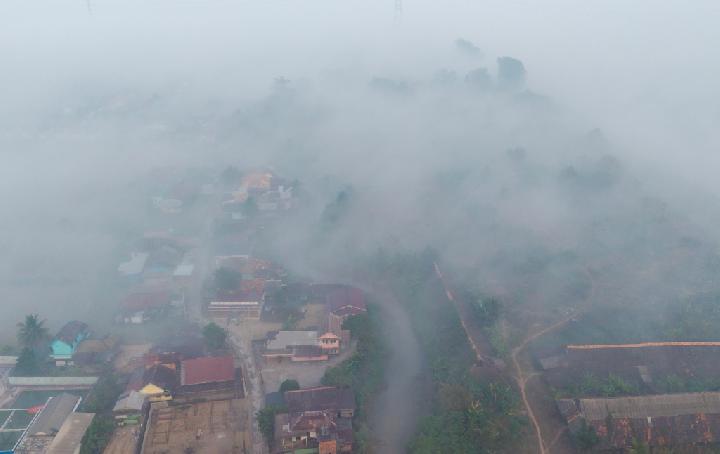
Indonesia Freezes Permits of 26 Companies Amid Forest Fire Enforcement Drive
Tempatdonasi.com – Indonesia’s Forestry Ministry has suspended the operating permits of 26 companies as part of a wider crackdown connected to land and forest fires. Forestry Minister Raja Juli Antoni said the action is intended to reinforce compliance obligations for businesses operating in forest concession areas and to ensure that environmental damage is addressed.
The permit freezes are administrative sanctions handled through the ministry’s Directorate General of Forestry Law Enforcement, known as Gakkum Kehutanan. The measures may require companies to restore affected ecosystems, while cases showing signs of criminal conduct can be moved into the criminal justice process in coordination with police.
“In our Gakkum unit at the Ministry of Forestry, we have frozen the business permits of 26 corporate entities,”
Raja Juli made the statement in Jakarta on Wednesday after a working meeting with Commission IV of the Indonesian House of Representatives, or DPR. He described the suspension of permits as one stage in a broader enforcement framework rather than the only possible penalty available to the government.
Restoration Requirements and Possible Criminal Cases
Companies subject to enforcement may also face compulsory environmental recovery measures. This means a business can be required to repair damage in the area under its responsibility, in addition to losing the ability to continue operating under its permit for a period determined by the authorities.
“First is the suspension of business permits. Second is mandatory environmental restoration. They must restore the affected environments under legal compulsion, and third, if there are indications of corporate criminality, we will pursue criminal proceedings in coordination with the police,”
The minister said the government uses the term administrative sanction for the permit action. In this case, the sanction takes the form of suspending a business permit. The approach is designed to place legal responsibility on concession holders while allowing investigators to pursue more serious allegations when evidence supports that step.
“There’s a term for it: an administrative sanction, specifically, a permit suspension. This is part of our way to strengthen law enforcement,”
Authorities have not publicly identified the 26 companies, disclosed where they operate, or stated how long each suspension will remain in force. Those details were not provided in Raja Juli’s remarks.
The lack of company names leaves several practical questions unanswered for local communities and other stakeholders, including which concession areas are affected and whether the sanctions concern recent fires, earlier incidents, or continuing investigations. Even so, the announced total indicates that the ministry is using administrative powers across a substantial group of corporate permit holders.
Dozens of Cases Still Under Examination
Permit enforcement is occurring alongside a separate investigative workload at the Forestry Law Enforcement Directorate General. Raja Juli said Gakkum is handling 46 cases involving both corporations and individuals. Fifteen of those cases concern corporate entities, while 31 involve individuals.
“In short, Gakkum is currently processing 46 cases: 15 involving corporations and 31 involving individuals. These cases are at various stages; two have been declared complete (P21), while the rest is still under investigation,”
In Indonesia’s legal process, a case declared P21 has been found complete for prosecution purposes. The remaining investigations are still moving through earlier stages. Raja Juli emphasized that enforcement can be directed at companies and individuals alike, with matters containing criminal elements referred through formal legal channels.
This distinction is important because a permit suspension is an administrative measure, while a criminal case involves a separate legal process and a higher evidentiary threshold. A company may be required to restore an affected area through administrative enforcement even as investigators continue examining whether a criminal violation occurred.
Recent Sanctions in Kalimantan
The ministry had already announced multiple enforcement actions in the weeks before Raja Juli discussed the 26 suspended permits. On August 25, 2026, it imposed administrative sanctions on six holders of Forest Utilization Business Permits, or PBPH, after inspections found fires across 1,511.55 hectares of concession land in West Kalimantan, Central Kalimantan, and East Kalimantan.
Five of those six companies were subjected to mandatory government enforcement measures. One company received both a permit suspension and mandatory enforcement sanctions. The ministry said the penalties were imposed because the firms did not fulfill their responsibilities to prevent and control fires within their concession areas.
In early September 2026, the ministry issued another set of administrative sanctions involving five PBPH holders in West Kalimantan after fires were reported within their concession boundaries. Together, the actions underline the responsibility placed on concession holders to prevent fires and respond effectively when fires occur in areas under their management.
Kalimantan remains central to the current enforcement activity, with cases spanning its western, central, and eastern regions. Fires in concession zones can create extensive environmental pressure because land-management responsibilities are tied to clearly defined permit areas. Government sanctions are therefore aimed not only at responding to burned land, but also at ensuring that permit holders meet prevention and control duties before fire damage expands.
A Graduated Enforcement Approach
The Forestry Ministry has reiterated that its sanctions can range from a temporary suspension of business operations to mandatory ecological restoration and criminal proceedings. The available response depends on the circumstances of each case and on whether investigators find evidence of legal violations beyond failures in fire prevention or control.
For companies, the enforcement framework creates overlapping obligations: safeguard concession land, cooperate with inspections, restore damaged environments when ordered, and face further investigation where alleged offenses meet the threshold for criminal action. For the public, the process offers a view of how forest-fire enforcement can operate through administrative and criminal channels at the same time.
With 46 cases still being processed and most investigations unresolved, further legal and administrative developments may follow. The ministry’s latest position is clear: businesses and individuals linked to suspected forest-fire violations can be subject to action, and permit holders may be compelled to repair environmental harm in addition to facing restrictions on their operations.
Related Reading
Frequently Asked Questions
What is Indonesia Suspends 26 Corporate Permits over?
Indonesia Suspends 26 Corporate Permits over is the main topic of this guide. The article explains the context, practical details, and next steps readers should understand.
Why does Indonesia Suspends 26 Corporate Permits over matter?
Indonesia Suspends 26 Corporate Permits over matters because readers are looking for a useful answer, not just a short summary. Good content should match search intent and help them decide what to do next.