5 Trainees Die During Military Training for Indonesia’s Cooperative Program
Five Trainees Die During Military Training for Indonesia's Cooperative Program 5 Trainees Die During Military Training - The Indonesian Defense Ministry has
Five Trainees Die During Military Training for Indonesia’s Cooperative Program
Tempatdonasi.com – The Indonesian Defense Ministry has confirmed that five trainees enrolled in the government’s Indonesian Development Mobilizer Graduates (SPPI) program have passed away during mandatory military training. The incidents, which spanned multiple locations across the country, have raised concerns about the health protocols in place for participants preparing to lead Red and White Village Cooperatives and Red and White Fishermen’s Village Cooperatives. The latest fatality occurred on Friday, June 26, bringing the total number of deaths to five since the program’s inception. This information was officially released on Saturday, June 27, by the ministry, highlighting the need for improved medical oversight in training centers.
Latest Fatality and Medical Response
Nola Dya Sari, one of the trainees, was identified as the most recent victim. She was undergoing training at the National Defense Education Unit in Kalimantan, a facility focused on developing leadership and operational skills for cooperative management. According to records, Nola attended sociology and plantation management classes on the morning of Friday, June 26, without showing any signs of illness. However, by the afternoon, she began experiencing symptoms such as shortness of breath and fever.
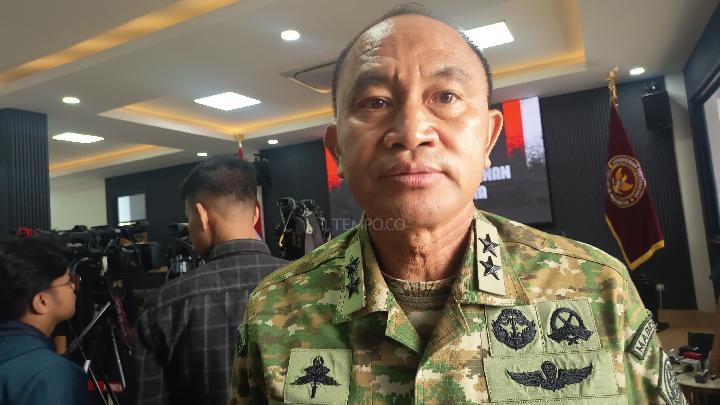
“Despite extensive medical efforts, the patient’s condition could not be restored, and she was pronounced dead at 09:03 PM,” said Major General Ketut Gede Wetan Pastia, head of the Defense Ministry’s Human Resources Development Agency.
Initial care was administered by on-site medical staff before she was moved to the emergency ward at Singkawang Hospital. Further treatment was then transferred to Abdul Aziz Regional Hospital, where doctors attempted resuscitation and cardioversion. Although these interventions were timely, they were not sufficient to save Nola’s life. Her medical records noted that she had a history of being overweight, which may have contributed to her condition, though no prior health concerns were flagged during the mandatory screening process.
Other Deceased Trainees and Their Causes of Death
Alongside Nola, four other trainees have succumbed to their injuries or illnesses. Muhammad Rifki Renaldi Gunawan, another participant, died from complications of a lung infection. His medical history included hypertension and obesity, which are now under scrutiny as part of the ongoing evaluation of the program’s health requirements. The defense ministry stated that the exact cause of each fatality is still under investigation, but the focus has shifted to addressing potential risks associated with the training regimen.
Earlier in June, three trainees had already lost their lives. Novia Rahmadhani Sihotang died on June 23 while training at the Indonesian Air Force’s Doctrine, Education, and Training Development Command Language Center in Jakarta. Her medical records indicated a history of tuberculosis, which may have worsened during the physically demanding exercises. Anisa Muyassaroh, who trained at the Mulawarman Regional Military Command Education Unit in Balikpapan, East Kalimantan, passed away on June 18 due to heat stroke. Yonanda Muhammad Taufiq, the third fatality, died of cardiac arrest on June 17 at the Indonesian Army Combat Training Center in Baturaja, South Sumatra.
Program Objectives and Health Priorities
The SPPI program is designed to equip trainees with the skills necessary to manage Indonesia’s cooperative initiatives, which aim to strengthen community-based economic models through rural development. Participants are trained in both military and administrative disciplines, emphasizing teamwork, leadership, and operational readiness. The Defense Ministry has since emphasized that participant health is now a top priority, following directives from Defense Minister Sjafrie Sjamsoeddin.
Major General Ketut Gede Wetan Pastia noted that the ministry is collaborating with the Health Ministry to enhance medical support during training. This includes revising protocols for early detection of lung diseases and infectious illnesses, as well as improving emergency response systems in remote training centers. The collaboration also aims to address the long-term health implications of the program, ensuring that future trainees are better prepared for the physical demands of their roles.
Investigation and Future Measures
The Defense Ministry has launched an investigation to determine the root causes of the deaths. While the exact reasons for each incident are being analyzed, the focus is on identifying systemic issues within the training process. For instance, the heat stroke suffered by Anisa Muyassaroh raises questions about environmental conditions during outdoor exercises, while Nola’s cardiac arrest highlights the need for more rigorous pre-training health assessments.
Health officials are also reviewing the physical fitness criteria for enrollment in the SPPI program. Nola’s overweight status, though not a red flag at the time of selection, may have played a role in her inability to withstand the stress of military training. This has prompted discussions about whether the current screening process adequately accounts for individual health vulnerabilities. The ministry is now considering integrating additional medical checks, such as cardiovascular evaluations, to mitigate risks for participants.
Impact on the Program and Public Reaction
The deaths have sparked public concern and prompted a reassessment of the program’s safety measures. While the SPPI initiative is crucial for advancing cooperative management in Indonesia, the loss of five trainees underscores the challenges of balancing rigorous training with health protection. The Defense Ministry has assured the public that steps are being taken to prevent future incidents, including the deployment of more medical personnel to training sites and the implementation of real-time health monitoring systems.
Participants and their families have expressed grief over the tragic losses. Major General Ketut Gede Wetan Pastia reiterated the ministry’s commitment to supporting the families, stating that the trainees’ dedication to the program has been a significant contribution to national development. The ministry also highlighted that the SPPI program remains a vital component of Indonesia’s efforts to empower rural communities through cooperative structures, despite the recent setbacks.
With the collaboration between the Defense and Health Ministries, the SPPI program is evolving to prioritize both physical and medical preparedness. This includes training staff in emergency response, increasing the availability of medical supplies, and revising the training schedule to reduce strain on participants. The initiative has also led to a broader conversation about the role of military training in preparing individuals for community leadership, emphasizing the importance of integrating health and safety into all aspects of the program.
In conclusion, the deaths of five trainees during military training for Indonesia’s cooperative program have brought attention to the need for comprehensive health protocols. While the program continues to be a cornerstone of rural development, the ministry’s response demonstrates a commitment to learning from these incidents and ensuring the safety of future participants. The collaboration between ministries and the review of health standards are critical steps in safeguarding the well-being of individuals who play a key role in strengthening Indonesia’s cooperative economy.
Dede Leni contributed to the writing of this article.
Read: Prabowo: ‘I Lost Four Times but Never Interfered With Elected Leaders’
Click here to get the latest news updates from Tempo on Google News