
Analyst Explains Why Rupiah Could Weaken Past Rp18,000 Next Week
alyst Explains Why Rupiah Could Weaken Past Rp18,000 Next Week Analyst Explains Why Rupiah Could Weaken - On June 26, 2026, Indonesia’s rupiah showed a slight
Analyst Explains Why Rupiah Could Weaken Past Rp18,000 Next Week
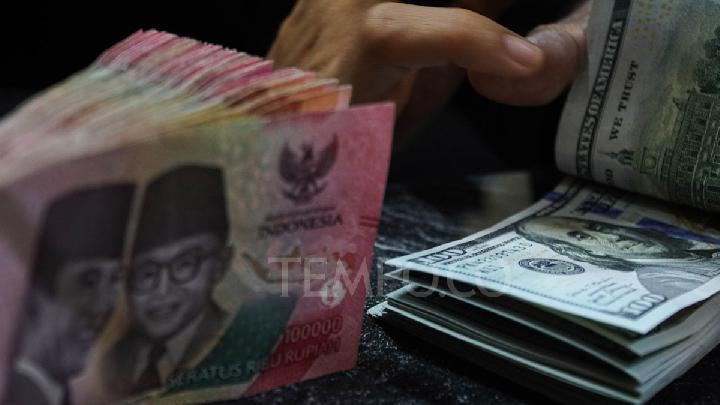
Tempatdonasi.com – On June 26, 2026, Indonesia’s rupiah showed a slight uptick, closing at 17,922 against the U.S. dollar after a modest increase of 21 points. However, despite this temporary rebound, financial experts caution that the currency is still facing significant downward pressure. They anticipate the rupiah could cross the critical threshold of Rp18,000 per dollar in the days ahead, driven by a combination of global and local economic factors.
Market Volatility and Analyst Predictions
According to Ibrahim Assuabi, a currency and commodities analyst at PT Trijaya Andalan Futures, the rupiah is expected to trade within a range of 17,880 to 18,100 per U.S. dollar by the start of next week. This projection comes after the currency stabilized at 17,922 on Friday, June 26, following a week of fluctuation. While the recent rally may offer short-term optimism, analysts suggest this is unlikely to reverse the long-term trend of depreciation.
“For next week, the rupiah is projected to move between 17,880 and 18,100 per U.S. dollar,” Ibrahim said in a written statement on Saturday, June 27.
He noted that the rupiah’s performance has been uneven, with the Jakarta Interbank Spot Dollar Rate (JISDOR) fluctuating throughout the week. On Monday, June 22, the rate stood at 17,819, but it rose to 17,955 by Wednesday. The currency briefly recovered to 17,942 on Thursday before ending the week at 17,962. These movements highlight the ongoing volatility, which experts believe is tied to broader macroeconomic dynamics.
Global Forces Pressuring the Rupiah
The rupiah’s struggles are largely attributed to the strength of the U.S. dollar on the global stage. Ibrahim pointed out that demand for the dollar has remained robust, even as tensions between the United States and Iran eased. While the immediate threat of conflict has diminished, lingering uncertainties in the Middle East continue to bolster the dollar’s appeal among investors.
One key driver of dollar strength is the resumption of oil shipments through the Strait of Hormuz after Washington and Tehran reached an agreement to reopen the strategic shipping route. This development has been welcomed, yet concerns persist about how long the agreement will hold. Analysts argue that the durability of this arrangement remains a wildcard, affecting market sentiment and, consequently, the rupiah’s trajectory.
“However, concerns over how long the strait will remain open have continued to influence market sentiment,” he said.
Additionally, U.S. inflation has remained a headwind for the rupiah. Core inflation climbed to 3.4 percent, while headline inflation surged to 4.1 percent, up from 3.8 percent. These figures reinforce expectations that the Federal Reserve will maintain higher interest rates for an extended period, making the dollar more attractive to capital seeking returns.
Domestic Support and Policy Measures
On the domestic front, Ibrahim highlighted positive signs that could temper the rupiah’s decline. He noted that investors have shown interest in the Indonesian government’s continued focus on budget efficiency, particularly its commitment to the Free Nutritious Meals program. This initiative, designed to reduce public spending while ensuring food security, has been praised for its fiscal discipline and long-term stability.
Bank Indonesia has also taken proactive steps to stabilize the currency. Through three key mechanisms—the spot foreign exchange market, Domestic Non-Deliverable Forward (DNDF) contracts, and government bond (SBN) trading—the central bank has sought to curb volatility. These interventions aim to prevent the rupiah from falling further toward the Rp18,000 mark, though their effectiveness will depend on the persistence of external pressures.
Despite these efforts, challenges persist. The government’s ability to implement budget savings measures effectively will determine whether domestic factors can counteract the dollar’s influence. Ibrahim emphasized that while the current policy direction is promising, the success of these measures hinges on maintaining public confidence and ensuring sustainable economic growth.
Broader Implications for the Economy
Analysts warn that a sustained weakening of the rupiah could have wider economic consequences. A depreciation beyond Rp18,000 may increase import costs, contributing to inflationary pressures and reducing the purchasing power of Indonesian consumers. It could also affect the country’s trade balance, as higher currency values make exports more competitive but imports more expensive.
Moreover, the situation underscores the delicate balance between global economic trends and local policy decisions. While the U.S. dollar’s strength is a clear external factor, Indonesia’s response to these challenges through fiscal and monetary measures will be critical. Ibrahim stressed that the rupiah’s future depends on how well the government can manage these dual pressures.
For now, the immediate outlook remains cautious. Market participants are closely watching developments in the Middle East and U.S. inflation data for clues about the dollar’s performance. If these factors continue to favor the dollar, the rupiah may struggle to maintain its current level, potentially crossing the Rp18,000 threshold by next week.
Read: Minister Purbaya Says BGN to Implement Further Budget Savings
Stay updated with the latest news from Tempo.CO on Google News.