China Opens AI Collaboration Opportunities for MBG Program
China's Ambition to Boost MBG Program Through AI Innovations China Opens AI Collaboration Opportunities for MBG - At the recent China-Indonesia Think Tank and
China’s Ambition to Boost MBG Program Through AI Innovations
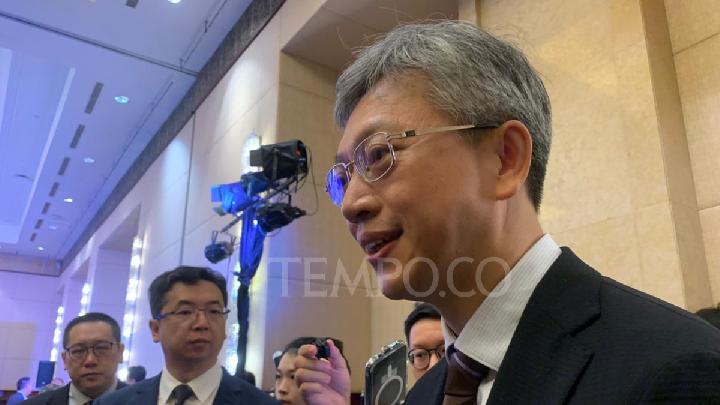
Tempatdonasi.com – At the recent China-Indonesia Think Tank and Media Forum hosted by FPCI in Kuningan, South Jakarta, on June 24, 2026, China’s Ambassador to Indonesia, Wang Lutong, emphasized the potential for joint initiatives between the two nations to enhance the Free Nutritious Meals (MBG) program. The event provided a platform for discussing how Chinese technological advancements could play a pivotal role in streamlining food distribution across Indonesian schools.
Wang noted that the Chinese business sector has demonstrated a keen interest in contributing to the MBG initiative, which is a key priority under President Prabowo Subianto’s administration. He highlighted that such collaborations could leverage cutting-edge innovations from Chinese firms to address logistical challenges in meal delivery. One prominent example cited by the ambassador was Tencent, a leading Chinese technology company, which is actively developing digital tools to monitor student attendance in real time.
Tencent’s Role in Enhancing School Meal Efficiency
During his remarks, Wang elaborated on Tencent’s efforts to create smart systems that track the number of students present at schools each day. These devices allow students to register their arrival, automating the collection of attendance data. The ambassador explained that this technology could provide schools with accurate insights into daily enrollment, enabling more precise planning for meal production and distribution.
By integrating such tools, the MBG program could ensure that meals are allocated efficiently, reducing waste and addressing the needs of students more effectively. Wang also acknowledged that Chinese companies have explored various ways to support the program, including optimizing supply chains and enhancing delivery mechanisms. He praised Tencent’s contribution as a reflection of the broader commitment from Chinese partners to aid Indonesia’s developmental goals.
Wang further expressed optimism about the synergy between the two countries, stating that Indonesia and China could benefit from mutual learning. “Our collaboration is not just about sharing resources,” he said. “It’s about creating solutions that align with the unique needs of Indonesia’s educational infrastructure.” This sentiment underscores the importance of technological partnerships in achieving sustainable progress.
Prabowo Defends MBG Amid Public Criticism
The discussion surrounding the MBG program intensified the day prior, when President Prabowo Subianto addressed the National Deliberation of Alim Ulama and the Grand Conference of Nahdlatul Ulama 2026 at the Syaichona Mohammad Cholil Islamic Institute in Bangkalan, East Java. Prabowo defended the program against accusations of inefficiency, asserting that it remains a vital resource for underprivileged families.
“Strange, there are protests against MBG. MBG is intended to help those who are in need, who are having difficulties,” Prabowo stated. His comments came as the government continued to promote the program, which provides free meals to students in underserved communities.
Prabowo clarified that the MBG initiative is not a universal mandate. “If you’re already wealthy, you don’t need to accept MBG. There is no obligation to receive it,” he emphasized. This distinction aims to alleviate concerns that the program might place undue pressure on public resources or be perceived as compulsory for all citizens.
Despite the protests, Prabowo argued that the program addresses critical needs, particularly for children from disadvantaged backgrounds. “Many children from underprivileged families go to school without breakfast. Even many children save food, take it home for their mothers, fathers, siblings, and grandparents,” he explained. The president stressed that the MBG program serves as a lifeline for those unable to afford basic necessities, ensuring they have access to meals during the school day.
“Many of our people are having a hard time,” Prabowo added, highlighting the ongoing struggles of vulnerable populations. He also refuted claims that the program compromises education budgets, noting that over one hundred countries have successfully implemented similar initiatives without financial strain.
According to Prabowo, the MBG program has actually strengthened the education budget under his leadership. “The education budget continues, and perhaps it’s even larger under my government,” he said. This assertion aims to reassure stakeholders that the program is not only feasible but also aligned with long-term developmental objectives.
Collaborative Potential and Future Goals
The ambassador’s remarks suggest that China is eager to deepen its partnership with Indonesia in the education sector. Wang expressed hope that the MBG program could become a model for integrating AI-driven solutions into public welfare systems. “We hope this (MBG) program can run smoothly,” he said, underscoring the importance of continuous improvements and stakeholder engagement.
With the support of Chinese technology, the MBG program could become more adaptive to local conditions. For instance, real-time attendance tracking could help schools anticipate meal demand, particularly in rural areas where logistical challenges are more pronounced. Wang’s emphasis on innovation highlights a broader trend of using technology to enhance public services, a strategy that could benefit other initiatives in Indonesia as well.
As the collaboration between China and Indonesia gains momentum, both sides are focusing on scalable solutions that address immediate needs while fostering long-term sustainability. The MBG program serves as a critical test case for how such partnerships can alleviate food insecurity and support educational equity. By combining Indonesia’s grassroots understanding of its communities with China’s advanced technological capabilities, the program may set a precedent for future international cooperation.
Musthofa Bisri contributed to the writing of this article. For more updates on the MBG program and other news, visit Tempo’s Google News page.