
Death Toll from Venezuela Earthquakes Reaches 2,645
Death Toll from Venezuela Earthquakes Reaches 2,645 Devastating Earthquakes Trigger Widespread Casualties and Rescue Operations Death Toll from Venezuela
Death Toll from Venezuela Earthquakes Reaches 2,645
Devastating Earthquakes Trigger Widespread Casualties and Rescue Operations
Tempatdonasi.com – Two major earthquakes that struck Venezuela on June 24 have resulted in a death toll of 2,645 and left 12,666 individuals injured, according to a report by the country’s National Assembly President, Jorge Rodriguez. The disaster, which has become one of the deadliest in recent years, has prompted extensive efforts to recover survivors and assess the damage across the affected regions.
Rodriguez, who also oversees the temporary shelter command center, provided an update on Telegram on Friday, July 3, 2026, stating that rescue and relief operations remain active. He emphasized the challenges posed by the ongoing crisis, as the country continues to deal with the aftermath of the twin earthquakes.
As of the latest update, 6,462 people have been successfully rescued, with 86,117 families receiving humanitarian aid. The scale of the response highlights the severity of the situation, as resources are being mobilized to address both immediate survival needs and long-term recovery efforts.
Structural Damage and Displacement Across the Nation
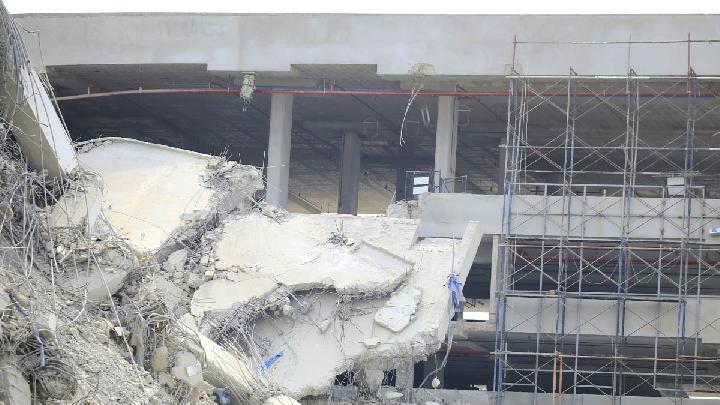
The earthquakes caused extensive structural damage, with 885 buildings reported as damaged and 189 completely collapsed. These figures underscore the impact on Venezuela’s infrastructure, particularly in areas where older constructions were more vulnerable to seismic activity. Authorities have established 59 temporary shelters to house displaced residents, ensuring they have access to basic necessities and safety during the crisis.
Rodriguez noted that the disaster has led to 890 aftershocks since the initial tremors, further complicating rescue and recovery operations. The aftershocks have not only delayed efforts to reach trapped individuals but have also created additional risks for those already in shelters or working on the ground.
“The country is still working tirelessly to save lives and restore order,” Rodriguez said. “Every hour, we make progress, but the situation remains critical, especially in regions where the ground continues to shift and buildings are at risk of collapsing.”
The government’s coordination of emergency relief, shelter management, and infrastructure assessments has been a central focus. Officials are working closely with local and international partners to ensure that aid reaches the most affected communities efficiently. The challenge lies in the sheer magnitude of the damage and the need to address both physical and emotional recovery.
International and Domestic Support in Full Swing
Venezuela has received support from both international and domestic teams, with a total of 3,305 international rescue personnel deployed alongside 29,567 domestic emergency responders. These efforts have been critical in navigating the complex terrain and damaged structures that hinder access to survivors.
The involvement of international teams has also brought attention to the global response to the disaster. Countries and organizations have pledged resources, including medical supplies, search equipment, and logistical support, to assist in the recovery process. Domestic teams, however, are playing a vital role in maintaining continuity, as local knowledge and resources are essential for effective relief.
Community Impact and Long-Term Recovery
The earthquakes have not only disrupted daily life but have also forced communities to adapt rapidly. Schools, hospitals, and residential areas have been among the hardest-hit zones, with many families now relying on temporary shelters for shelter and sustenance. The loss of life and injuries have compounded the emotional toll, leaving a deep sense of grief and uncertainty in the wake of the disaster.
While the immediate focus remains on rescue operations, preparations are also underway for long-term recovery. Officials are assessing the structural integrity of remaining buildings and planning for reconstruction, which will require significant funding and resources. The government has prioritized transparency, regularly updating the public on the number of survivors, injured individuals, and the progress of relief efforts.
“Every effort is being made to ensure that no one is left behind in this tragedy,” Rodriguez stated. “We are coordinating with all stakeholders to provide the necessary support and rebuild what was lost.”
Amid the ongoing crisis, the government is also addressing the psychological impact on survivors. Mental health services are being integrated into relief operations, recognizing the importance of emotional well-being alongside physical recovery. This holistic approach reflects a growing awareness of the multifaceted nature of natural disasters and their effects on communities.
Historical Context and Regional Vulnerability
Venezuela’s recent earthquakes are part of a pattern of seismic activity that has plagued the region for decades. The country’s location on the boundary of the Caribbean and South American tectonic plates makes it susceptible to frequent tremors, though the magnitude of this event has surpassed many previous occurrences. The twin earthquakes, measuring high on the Richter scale, caused widespread panic and disruption, particularly in densely populated areas.
Experts warn that the vulnerability of certain infrastructure, such as aging buildings and poorly maintained roads, has exacerbated the damage. This has raised concerns about the need for improved building codes and disaster preparedness measures. The current disaster serves as a reminder of the importance of investing in resilient infrastructure to mitigate future risks.
Global Response and Media Coverage
As the crisis unfolded, international media outlets played a crucial role in disseminating information about the disaster. Reports from agencies such as Xinhua and Antara highlighted the scale of the humanitarian emergency, while Tempo’s coverage kept the public informed about the evolving situation. The coordination between local and global news sources has helped to raise awareness and mobilize support for the affected population.
Additionally, the government has been working to manage the flow of information, ensuring that updates are accurate and timely. This has been particularly important in maintaining public trust during a period of high anxiety. The use of social media platforms, such as Telegram, has allowed officials to communicate directly with citizens and share progress updates in real time.
Despite the challenges, the response efforts have demonstrated the resilience of Venezuela’s emergency management system. While the death toll continues to rise, the determination of rescue teams and the support of international partners offer hope for a gradual recovery. The road ahead will require sustained effort, but the initial steps taken so far have laid the foundation for a coordinated and comprehensive response.
Looking Ahead: Challenges and Opportunities
As the search for survivors continues, the focus is shifting toward rebuilding and restoring normalcy. However, the long-term recovery will depend on the availability of resources, the effectiveness of coordination, and the ability to address the underlying vulnerabilities that contributed to the disaster’s impact. The government has pledged to prioritize these efforts, ensuring that lessons learned from this tragedy inform future disaster preparedness strategies.
The earthquakes have also sparked a renewed conversation about the importance of early warning systems and disaster response infrastructure. While Venezuela has made strides in recent years, the scale of this disaster highlights the need for further investment in technology and training to enhance preparedness. The international community is now closely watching the situation, with many expressing solidarity and offering assistance in the form of aid and expertise.
In conclusion, the devastation caused by the twin earthquakes in Venezuela has brought the nation to its knees, but the collaborative efforts of rescue teams, aid organizations, and the government provide a beacon of hope. As the country works to recover, the resilience of its people and the support of the global community will be essential in overcoming the challenges ahead.