Dreams of Investing in Free Meal Kitchens
Investment Opportunities and Deceptions in Indonesia's Free Meal Program A Businessman's Near-Miss with the MBG Scheme Dreams of Investing in Free Meal
Investment Opportunities and Deceptions in Indonesia’s Free Meal Program
A Businessman’s Near-Miss with the MBG Scheme
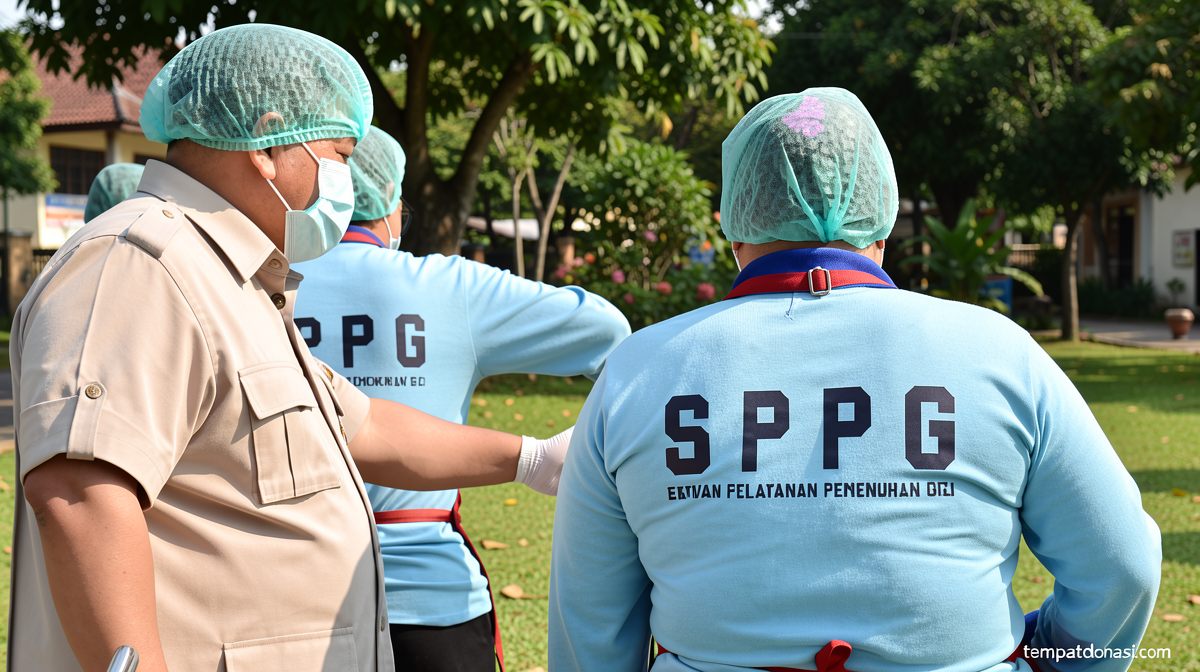
Tempatdonasi.com – Several entrepreneurs found themselves on the verge of financial loss due to the Free Nutritious Meals initiative, commonly known as MBG. Among those affected was Jaya Sartika, an established garlic merchant based in Sukabumi, located in West Java province. His experience highlights a growing concern regarding the commercialization of nutrition programs through the trading of SPPG kitchen locations.
The situation unfolded when Jaya received multiple proposals from sales representatives seeking investors for constructing MBG facilities. These approaches occurred in January 2025, with representatives claiming affiliation with various charitable organizations. They promised to assist entrepreneurs in securing the necessary permits for operating SPPG kitchens. Initially, Jaya showed little enthusiasm, finding the terms presented by these salespeople unreasonable and unclear.
The financial arrangement proposed seemed questionable to the experienced businessman. The representatives requested a Rp2,000 deduction from the Rp15,000 government payment allocated for each meal portion. This represented approximately US$0.11 out of the US$0.83 total per serving. When Jaya questioned this arrangement, he received a vague explanation.
“They said it was for foundation rental fees,” Jaya told Tempo.
Despite his initial skepticism, Jaya continued to consider the investment possibility. His perspective shifted after attending a significant gathering organized by the National Nutrition Agency, abbreviated as BGN. This event took place at a hotel in Depok, West Java, and drew considerable attention from potential investors in the nutrition sector.
Clarity Through Official Channels
The BGN event proved to be a turning point for Jaya’s investment decision. The gathering was notable for the presence of Dadan Hindayana, who served as the chief of BGN at that time. His attendance lent credibility to the proceedings and provided investors with direct access to program leadership.
During this event, Jaya encountered a more transparent and favorable proposal. A foundation representative offered to accept only Rp1,000 per portion as their share, significantly less than the Rp2,000 previously demanded. This amount equated to approximately US$0.06 per meal, representing a substantial reduction in costs for investors. The clearer terms and official endorsement helped Jaya make an informed decision about participating in the MBG program.
The case of Jaya Sartika illustrates broader challenges within Indonesia’s expanding nutrition infrastructure. As government programs grow, opportunities for both legitimate investment and opportunistic practices emerge simultaneously. Entrepreneurs must navigate these waters carefully, seeking official channels and verified organizations before committing their resources.
The SPPG kitchen system, designed to provide nutritious meals to communities, has become increasingly attractive to investors. However, the practice of buying and selling kitchen locations has created confusion in the market. Some salespeople capitalize on the program’s popularity, offering services that may not align with actual program requirements or values.
Jaya’s journey from skepticism to investment demonstrates the importance of due diligence. By attending official events and engaging directly with program authorities, investors can distinguish between genuine opportunities and potential scams. The difference between a Rp2,000 and Rp1,000 per portion fee may seem small, but it represents a significant saving over the lifetime of an investment.
As the MBG program continues to expand across Indonesia, more businesspeople will likely encounter similar situations. Understanding the proper channels for investment and being aware of common deceptive practices will help ensure that these programs achieve their intended goals of improving nutrition for all Indonesians.
For readers interested in following this story further, the complete narrative is available in Tempo English Magazine, offering additional details about Jaya’s experience and the broader context of investment in Indonesia’s free meal kitchens.