
Earthquake Not Expected to Disrupt Venezuela’s Oil Infrastructure
Earthquake Not Expected to Disrupt Venezuela's Oil Infrastructure Earthquake Not Expected to Disrupt Venezuela - The 7.2-magnitude earthquake that recently
Earthquake Not Expected to Disrupt Venezuela’s Oil Infrastructure
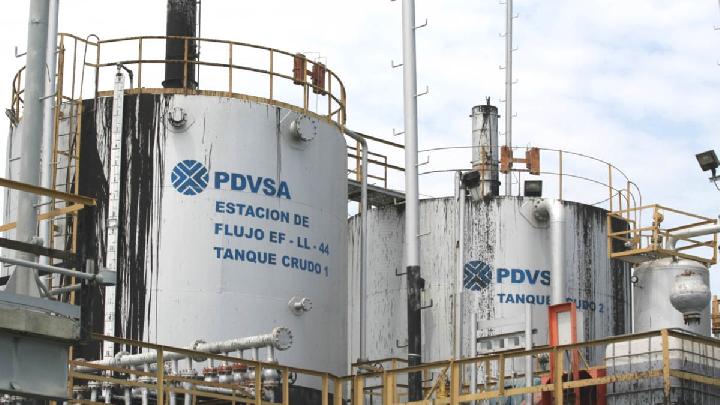
Tempatdonasi.com – The 7.2-magnitude earthquake that recently shook Venezuela has not caused significant damage to the country’s petroleum infrastructure, according to reports from Sputnik, as cited by ANTARA. This assessment comes amid ongoing concerns about the structural stability of buildings in the capital, Caracas, and surrounding regions. Despite the tremors, critical oil facilities and production sites appear to have withstood the shaking, though some areas experienced localized disruptions.
Following the quake, Vice President Delcy Rodriguez, who also serves as acting president, announced that several structures in Caracas had been damaged, including residential homes and commercial buildings. The affected states listed—Miranda, La Guaira, Aragua, Carabobo, and Falcon—reportedly faced a series of strong aftershocks that caused additional strain on existing infrastructure. Rodriguez emphasized the urgency of assessing the damage, particularly in regions where older construction methods may have contributed to the vulnerability of certain buildings.
The Venezuelan government has swiftly declared a state of emergency, mobilizing resources for search-and-rescue operations and emergency response teams. This measure was taken to address the immediate needs of residents in the most affected areas. Officials have also begun coordinating with international partners to secure aid and support for recovery efforts. The state of emergency highlights the severity of the situation, as the earthquake has left communities grappling with both physical and logistical challenges.
According to RIA Novosti, a Caracas resident reported that internet services and mobile communications were temporarily disrupted following the quake. The individual described experiencing intermittent cellular signals and difficulty sending messages, which created confusion among residents and hampered communication with family members. While the wired internet connection at home remained functional, the loss of mobile networks and Wi-Fi access left many without reliable means to stay informed about the ongoing situation.
“The cellular and internet signals are very weak, so it’s hard to send messages or even make calls,” said the resident, who requested anonymity. “But our wired internet is still working, so we can at least keep up with the news.”
The same resident noted that well-constructed homes in Caracas, particularly those built to modern standards, showed resilience against the tremors. However, many semi-permanent structures and buildings with structural weaknesses reportedly collapsed, raising questions about the safety of older residential areas. This discrepancy in damage severity underscores the importance of building codes and the challenges posed by Venezuela’s aging infrastructure.
Venezuela’s oil industry, a cornerstone of its economy, has been under pressure for years due to financial instability and operational challenges. The recent earthquake, while not crippling the sector, has prompted officials to conduct thorough inspections of key facilities. Oil production and refining operations in the country’s major hubs, such as the Refinery Complex in Amuay and the Petrocaribe pipeline network, are currently functioning without major setbacks. Nevertheless, the potential for secondary damage, such as cracks in pipelines or disruptions in power supply, remains a concern for experts.
Analysts suggest that the earthquake’s impact on the oil infrastructure is minimal compared to the damage observed in urban areas. This is attributed to the robust design of most petroleum facilities, which are built with reinforced materials to withstand seismic activity. However, the event has highlighted the fragility of Venezuela’s broader economic framework, where reliance on oil exports makes it particularly sensitive to any disruptions in the sector.
As the government focuses on stabilizing the immediate aftermath, the question of long-term resilience remains. While the oil infrastructure appears secure, the earthquake has exposed vulnerabilities in other parts of the country. For instance, the destruction of residential buildings and the loss of communication services have disrupted daily life, affecting both citizens and the broader economy. The government’s ability to manage these challenges will be critical in maintaining public confidence and ensuring a swift recovery.
Experts warn that the earthquake could have a ripple effect on Venezuela’s energy sector, especially if the damage to transportation routes or storage facilities becomes more severe. The country’s oil infrastructure, though durable, is not entirely immune to the effects of seismic events. This underscores the need for continuous investment in infrastructure upgrades and disaster preparedness. The vice president’s remarks on the resilience of Caracas’s well-constructed homes echo this sentiment, suggesting that modernization efforts in the past have provided some level of protection.
In addition to the physical damage, the earthquake has raised concerns about the psychological impact on the population. Residents in Caracas and nearby states are now more aware of the risks associated with their living conditions. The vice president’s statement that “several buildings were damaged” has sparked discussions about the need for stricter building regulations and the importance of retrofitting older structures to prevent future incidents. This could be a turning point for Venezuela’s infrastructure planning, as the country seeks to balance economic constraints with safety improvements.
The earthquake’s aftermath has also drawn attention to the country’s reliance on imported construction materials and the challenges of maintaining high standards in a resource-constrained environment. While the oil infrastructure has been a priority, residential and commercial buildings have often taken a backseat in terms of funding and attention. The damage observed in recent days may serve as a catalyst for re-evaluating these priorities and allocating more resources to address the needs of the general population.
As search-and-rescue teams continue their efforts, the government has emphasized the importance of restoring essential services, including internet connectivity and mobile networks, to facilitate communication and coordinate relief operations. The resident’s account of disrupted signals has prompted officials to prioritize repairing these systems, as they play a vital role in both emergency response and economic activity. This focus on restoring connectivity reflects the broader understanding that infrastructure resilience extends beyond physical structures to include the digital networks that support modern life.
The earthquake has also been compared to past seismic events in Venezuela, with some experts noting that the country’s geographical location makes it prone to such occurrences. While the 7.2-magnitude quake was relatively moderate in scale, its impact on urban centers has been significant. The vice president’s acknowledgment of the damage has led to calls for increased investment in earthquake-resistant technology and urban planning strategies. These measures could help mitigate the effects of future tremors and ensure the country’s infrastructure remains robust.
Meanwhile, the broader implications of the earthquake extend beyond the immediate damage. The disruption of services in Caracas and the surrounding states has affected trade and transportation, which are critical to the country’s economy. The government’s ability to manage these disruptions will be a key indicator of its effectiveness in handling both natural disasters and economic crises. As the situation evolves, the focus will remain on assessing the extent of the damage and implementing necessary interventions to restore stability.
Read: Venezuela Earthquakes Kill at Least 32, Injure 700 Click here to get the latest news updates from Tempo on Google News.