Gaza Health System Faces Severe Crisis Amid Medicine and Ambulance Shortages
Gaza's Medical Infrastructure Under Siege: Critical Shortages Threaten Patient Survival Gaza Health System Faces Severe Crisis - Health authorities within the
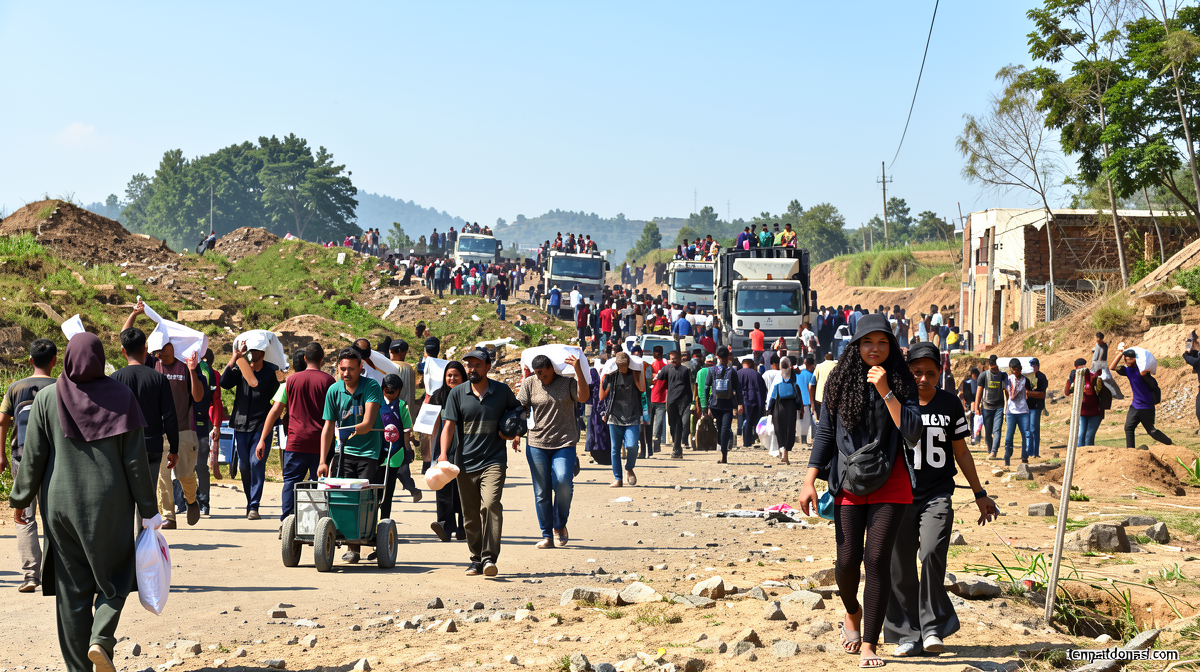
Gaza’s Medical Infrastructure Under Siege: Critical Shortages Threaten Patient Survival
Tempatdonasi.com – Health authorities within the Gaza Strip issued urgent warnings on Saturday, July 11, regarding an escalating medical emergency that jeopardizes the wellbeing of hundreds of thousands of residents. The enclave is currently experiencing devastating deficits across multiple healthcare dimensions, including pharmaceutical supplies, diagnostic equipment, and emergency transportation services. These compounding shortages pose immediate threats to patient lives throughout the territory.
Medical Aid Convoys Fall Short of Promises
Mohammed Abu Afash, who serves as the director of the Medical Relief Organization operating in Gaza, provided critical insight into the deteriorating situation. According to reports from ANTARA, the health system has failed to receive the medical aid convoys that were previously promised to the region following the ceasefire agreement. This failure to deliver essential supplies has triggered severe shortages of both medications and medical equipment across healthcare facilities.
The magnitude of the equipment deficit is particularly alarming. Abu Afash revealed that the shortage of medical test kits has reached an extraordinary level, exceeding 87 percent of what is required to meet current demands. This critical gap in diagnostic capabilities means that many patients cannot receive timely and accurate medical assessments, potentially leading to misdiagnosis or delayed treatment for serious conditions.
Chronic Disease Patients Face Dire Consequences
The impact of these shortages extends far beyond immediate emergency cases. More than 24,000 individuals suffering from chronic medical conditions are currently not receiving adequate care due to supply disruptions. Among this vulnerable population, hypertension patients represent a particularly concerning group. Over 300,000 residents with high blood pressure have experienced serious complications as a direct result of interrupted treatment regimens.
Without consistent access to blood pressure medications and regular monitoring, these patients face increased risks of stroke, heart attack, and other cardiovascular emergencies. The situation is further complicated by the fact that many patients may have exhausted their personal medication reserves, leaving them without any recourse for managing their conditions.
Summer Heat Exacerbates Health Risks
As temperatures continue to climb during the summer months, additional health threats are emerging. Abu Afash cautioned about the rapid transmission of infectious diseases within densely populated refugee camps. These camps, already strained by overcrowding and limited sanitation infrastructure, are particularly susceptible to outbreaks of waterborne and respiratory illnesses. The combination of heat stress, poor ventilation, and inadequate medical supplies creates a perfect environment for disease proliferation.
Ambulance Fleet Decimated by Multiple Factors
Parallel to the medicine shortages, Gaza’s emergency transportation capabilities have suffered catastrophic losses. Health authorities released a statement indicating that 70 percent of the ambulance fleet has become inoperable. This massive reduction in emergency response capacity stems from three primary causes: targeted attacks on vehicles, mechanical damage to engines, and an acute shortage of spare parts needed for repairs.
Compounding this crisis is the ongoing restriction on essential imports. Authorities warned that if the ban on tires and spare parts continues, the entire transportation system could become paralyzed. This would leave even the few remaining functional ambulances unable to operate effectively, creating a cascading failure in emergency medical services across the region.
Political Criticism Intensifies
The worsening healthcare situation has drawn sharp criticism from political figures. Munther al-Hayek, a prominent Fatah official, addressed the crisis during a radio interview, characterizing the situation as a “full-scale war led by the United States through Israel.” This perspective frames the medical emergency not merely as a consequence of conflict, but as a deliberate strategy with international dimensions.
The ceasefire between Israel and Hamas has remained in effect since October 10, 2025, yet the healthcare system continues to struggle with recovery. While active hostilities have diminished, the structural damage to medical infrastructure and the ongoing restrictions on essential supplies have prevented meaningful improvement in patient care delivery.
“The health system has not received the promised medical aid convoys since the ceasefire,” said Mohammed Abu Afash, director of the Medical Relief Organization in Gaza.
“The situation is a full-scale war led by the United States through Israel,” stated Fatah official Munther al-Hayek in his radio interview.
The convergence of these multiple crises—pharmaceutical shortages, equipment deficits, ambulance failures, and rising infectious disease threats—creates an unprecedented challenge for Gaza’s healthcare providers. Without immediate intervention and sustained delivery of medical supplies, the health system risks complete collapse, leaving hundreds of thousands of patients without essential care during what could become one of the most critical periods in the region’s modern medical history.