How Iran Uses the Strait of Hormuz to Pressure the US
Escalation in the Persian Gulf: Iran's Naval Strategy Against American Pressure How Iran Uses the Strait of Hormuz - Has the delicate truce between Washington
Escalation in the Persian Gulf: Iran’s Naval Strategy Against American Pressure
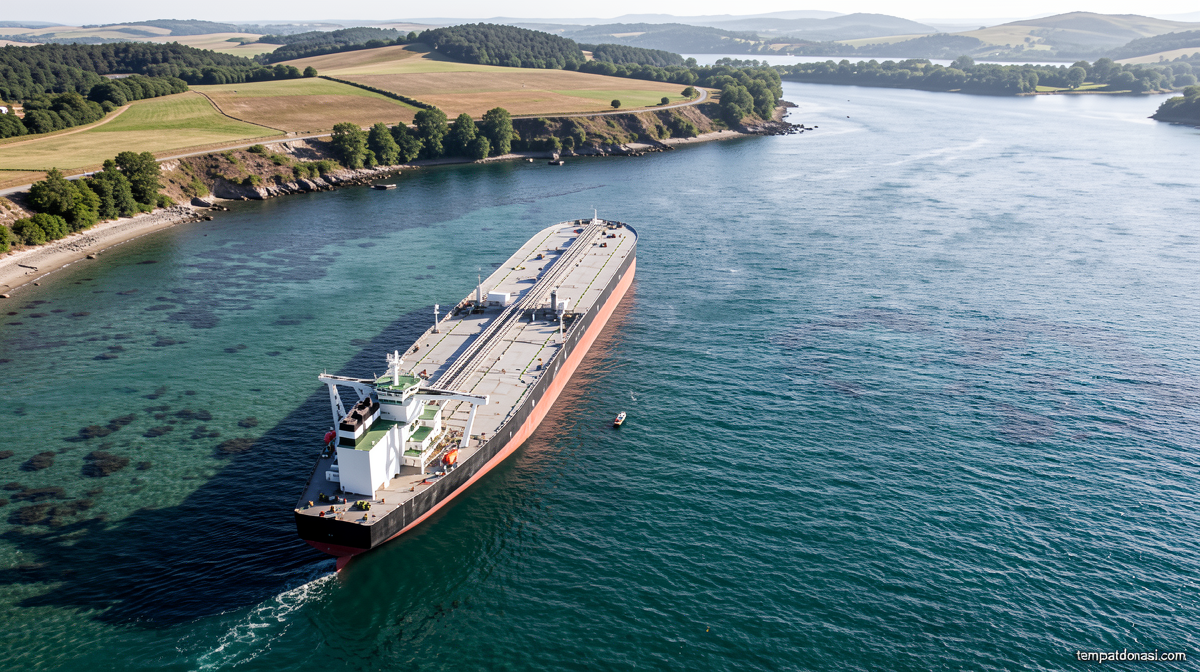
Tempatdonasi.com – Has the delicate truce between Washington and Tehran finally shattered? Following a series of aggressive strikes by Iran on commercial shipping, the conflict in the region has intensified considerably. According to maritime authorities and American officials, Tehran attacked at least three vessels navigating the Strait of Hormuz on Tuesday. These coordinated assaults focused on a Saudi-owned oil tanker alongside a Qatari liquefied natural gas carrier, sending shockwaves through global energy markets.
The timing of these maritime attacks proved particularly consequential for diplomatic relations. Shortly after the incidents, the United States announced the withdrawal of its temporary sanctions waiver concerning Iranian petroleum exports. This waiver had been a significant component of the memorandum of understanding established between the two nations just weeks prior. Under that agreement, Tehran had been permitted to resume oil shipments after American naval forces had previously blocked its tankers from leaving port.
Retaliation came swiftly from American forces. US Central Command reported on Wednesday that its military operations had neutralized more than eighty separate targets within Iranian territory. These strikes encompassed critical air defense installations, radar networks, and over sixty small vessels operated by the Islamic Revolutionary Guard Corps specifically for disrupting maritime traffic. CENTCOM emphasized that its objective was to “impose heavy costs for targeting and attacking commercial shipping crewed by innocent civilians in an international waterway.”
It’s just a waste of time dealing with them [Tehran].
Iran responded with its own offensive capabilities, launching additional missile attacks against neighboring Gulf states on Wednesday. Residents in Bahrain and Kuwait reported hearing air raid sirens followed by powerful explosions. The rapid cycle of retaliation prompted maritime security analysts at MARISKS to issue a warning on Wednesday, noting that this tit-for-tat escalation “marks a return to direct military confrontation.”
Speaking before an upcoming NATO gathering in Turkey, President Donald Trump declared that the memorandum of understanding with Iran was now finished. He characterized continued engagement with Tehran as futile. Meanwhile, international voices including China and Qatar urged immediate de-escalation. German Defense Minister Boris Pistorius also addressed the situation, calling on Iran to cease its provocative actions against American interests and stop attacking commercial vessels.
The Strategic Importance of the Hormuz Waterway
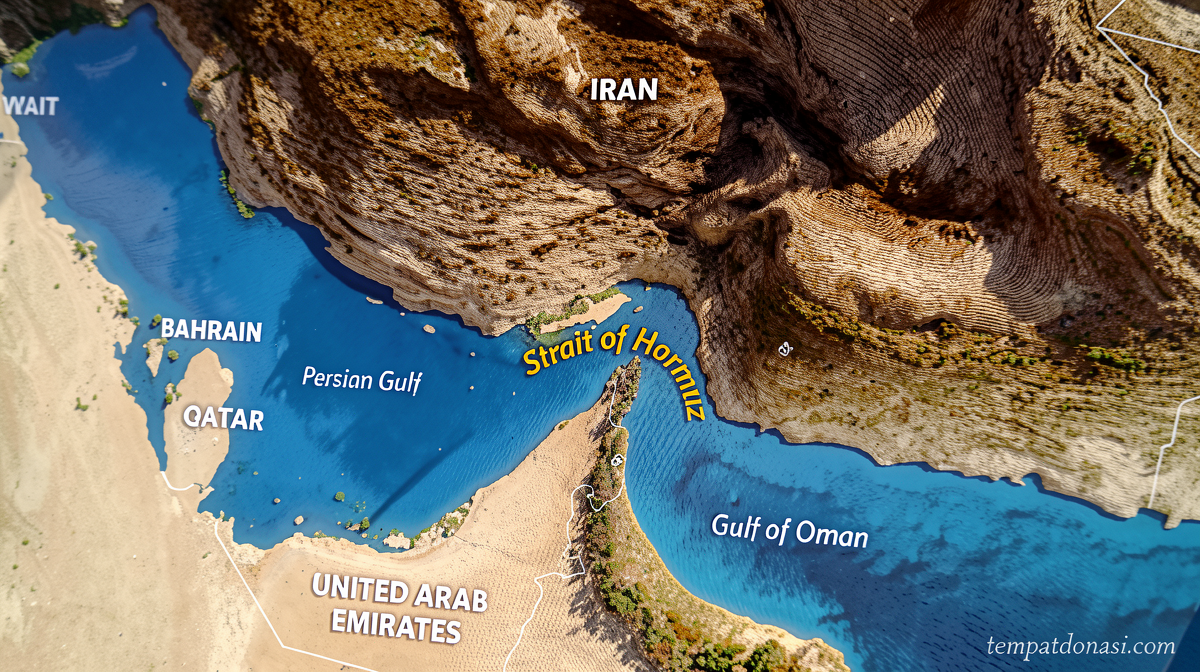
Why has Iran chosen to target maritime traffic once again? The answer lies in Tehran’s determination to maintain dominance over the Strait of Hormuz. This narrow passage previously facilitated the transport of one-fifth of global oil and gas exports from the Persian Gulf to international markets. Iran had effectively sealed off the strait following devastating US-Israeli airstrikes on February 28 that eliminated several high-ranking Iranian officials, including Supreme Leader Ali Khamenei.
Before the recent ceasefire agreement was reached last month, Iran had already struck approximately twelve ships trapped within the strait. In the days preceding Tuesday’s attacks, peace negotiations had stalled on numerous critical issues, particularly regarding permanent relief from American sanctions and Iran’s nuclear program ambitions.
Historically, Tehran has employed the Hormuz strait as a bargaining chip whenever diplomatic channels stagnate. The regime has also conducted strikes against Gulf allies including Saudi Arabia, the United Arab Emirates, and Qatar. By targeting these major petroleum producers and key American partners, Iran aims to pressure Washington while spreading regional instability, ensuring that the Middle East collectively bears the burden of the ongoing conflict.
Asymmetric Warfare and Economic Leverage
Despite suffering repeated military defeats at the hands of US and Israeli forces, Iran continues to exert influence through asymmetric warfare. While Tehran lacks the conventional military capacity to defeat American forces in direct combat, it utilizes alternative strategies to maintain pressure. Although Iran does not possess legal ownership of the strait, it controls the northern shoreline, several strategically positioned islands, and a coastline that enables the IRGC to monitor and threaten passing vessels.
The Iranian military relies heavily on fast-attack craft, coastal missile systems, naval mines, and unmanned drones to disrupt tanker operations without engaging in full-scale naval battles. Reports indicate that Iran has implemented a toll system charging vessels up to two million dollars, or approximately 1.75 million euros, for safe passage through Hormuz. Maritime experts have criticized this practice as both illegal and difficult to enforce.
However, Iran’s leverage remains finite. The United States countered with its own naval blockade, effectively preventing Iranian ships from exporting petroleum and cutting off a crucial revenue stream. Tehran had been circumventing American sanctions by selling oil primarily to China at discounted rates using a shadow fleet of tankers that regularly changed flags, disabled tracking systems, and conducted ship-to-ship transfers to avoid detection.
Without the sanctions waiver and with the possibility of the US Navy blockade being reinstated, the Iranian regime faces potential economic collapse. According to the Foundation for Defense of Democracies, a Washington-based research organization, Iran has accumulated 144 billion dollars in war-related economic damage, in addition to billions more lost through reduced oil sales during the blockade period.
The domestic economic situation has deteriorated dramatically. The Iranian rial has plummeted to historic lows of approximately 1.7 million units per US dollar, while inflation has escalated beyond 88 percent. These figures underscore the vulnerability of Tehran’s position despite its military posturing in the region.
marks a return to direct military confrontation.
The revocation of Iran’s sanctions waiver represents a significant shift in American policy, potentially undermining the political framework that had briefly stabilized relations between the two nations. As both sides continue to escalate their actions, the international community watches closely to see whether diplomacy can still prevail or if the region is heading toward a broader conflict.