
How Will Indonesia Attract Investors to Its New Financial Center?
How Will Indonesia Attract Investors to Its New Financial Center? How Will Indonesia Attract Investors to Its - Indonesia is on the verge of launching its
How Will Indonesia Attract Investors to Its New Financial Center?
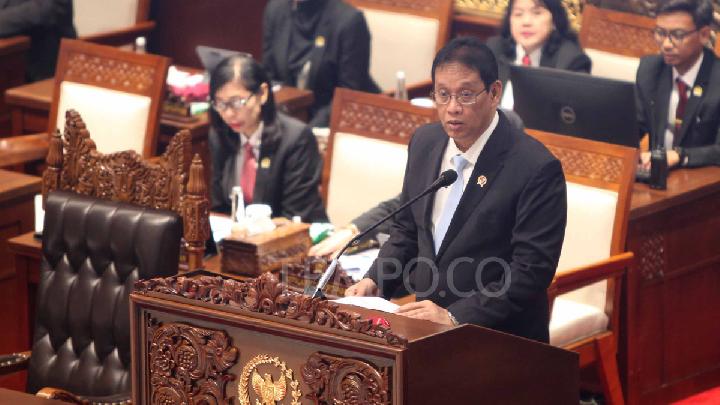
Tempatdonasi.com – Indonesia is on the verge of launching its Indonesian International Financial Center (IIFC), a major initiative aimed at transforming the nation into a key player in the global financial landscape. The project has been highlighted by Finance Minister Purbaya Yudhi Sadewa, who emphasized the government’s commitment to creating an environment that encourages capital inflows. Speaking in Jakarta on July 2, the minister outlined a comprehensive strategy to position the IIFC as a competitive hub for international investments.
Streamlining Regulations for Global Appeal
The government’s plan includes simplifying immigration, employment, residency, licensing, and taxation processes to make Indonesia more attractive to foreign investors. These measures are designed to reduce bureaucratic hurdles and foster a seamless experience for businesses operating within the IIFC. By addressing these areas, the country aims to align itself with global financial centers that are known for their efficiency and transparency.
According to Purbaya, the success of an international financial center hinges on legal certainty and a reliable dispute resolution system. “Among the most important factors in the success of an international financial center is legal certainty and the presence of an agile, professional dispute resolution mechanism trusted by international business actors,” he stated during a session with Commission XI of the House of Representatives (DPR). The minister’s remarks underscore the need for a legal framework that instills confidence in both domestic and international stakeholders.
A Dedicated Legal Framework for Investor Confidence
A critical component of the IIFC’s development is the establishment of a specialized court to handle disputes specific to the financial hub. This court will be empowered to adjudicate conflicts arising from business activities within the IIFC or those tied to its financial services. The move is intended to ensure timely and fair resolutions, which are essential for maintaining the trust of investors in a competitive market.
Purbaya stressed that the IIFC’s legal infrastructure is a cornerstone of its potential impact. By creating a dedicated judicial body, the government seeks to address issues that could otherwise deter investors. This initiative reflects a broader effort to modernize Indonesia’s financial ecosystem and position it as a hub for international commerce and capital.
Indonesia’s Economic Strengths and Strategic Opportunities
Indonesia’s financial ambitions are grounded in its substantial economic foundation, including a large domestic market, strategic geographic location, and abundant natural resources. The country’s growing economy and long-term growth prospects make it an appealing destination for investors seeking stability and expansion. However, Purbaya noted that these advantages have not yet been fully realized due to the lack of a robust international financial zone that matches the standards of global hubs.
The minister argued that the IIFC represents a pivotal opportunity to bridge this gap. He described it as a strategic initiative to create a specialized zone that can meet the demands of international financial services while accelerating the development of the national financial sector. This dual focus on global and local needs is expected to drive innovation and diversify Indonesia’s economic contributions.
Expected Impacts on the Financial Sector
Experts anticipate that the IIFC will catalyze several transformative outcomes for Indonesia’s economy. These include fostering financial innovation, expanding access to capital for the real sector and strategic national projects, and enhancing the financial industry’s role in economic growth. The hub is projected to serve as a catalyst for attracting both domestic and international investments, particularly in sectors such as technology, infrastructure, and renewable energy.
Furthermore, the IIFC is expected to reduce reliance on foreign capital by strengthening Indonesia’s domestic financial institutions. This could lead to greater self-sufficiency in funding large-scale projects, such as the development of regional infrastructure and the growth of the digital economy. Purbaya highlighted that these benefits would not only improve the financial sector’s resilience but also support the government’s broader economic goals.
Legal Foundations and Legislative Progress
The IIFC’s establishment is backed by a legal framework rooted in Article 248A of Law No. 4 of 2026. This provision mandates the creation of a bill to formalize the financial hub’s operations and ensure its regulatory alignment with international standards. The government and DPR have already begun deliberations on the legislation, with a target completion date of August 2026.
“The legal basis of the IIFC is crucial to its credibility,” explained the state treasurer. “It provides the necessary structure to support the financial services sector and attract a diverse range of investors.” The proposed bill is designed to create a favorable regulatory environment while maintaining oversight to prevent systemic risks. This balance is essential for ensuring that the IIFC remains a sustainable and attractive option for global financial players.
Challenges and Opportunities Ahead
While the IIFC holds significant promise, its success will depend on the government’s ability to implement the proposed measures effectively. Purbaya acknowledged that the project requires not only regulatory changes but also a cultural shift toward embracing innovation and international best practices. The minister also emphasized the importance of collaboration between the public and private sectors to ensure the IIFC’s long-term viability.
Indonesia’s geographic position, straddling Southeast Asia, offers unique advantages in connecting markets across the region. This strategic location could position the IIFC as a gateway for trade and investment between Asia-Pacific countries. However, the country must also address challenges such as bureaucratic inefficiencies and a need for enhanced financial literacy among local businesses.
Investor Perspectives and Market Readiness
Investors are likely to view the IIFC as a game-changer for Indonesia’s financial sector, particularly if the legislative timeline is met. The combination of streamlined regulations and a dedicated legal mechanism is expected to make the country more competitive in attracting foreign capital. Industry analysts suggest that the IIFC could serve as a model for other emerging economies looking to establish similar financial hubs.
Purbaya’s vision for the IIFC aligns with broader trends in global finance, where countries are increasingly focusing on creating specialized zones to boost economic growth. By addressing the gaps in its current financial infrastructure, Indonesia aims to compete with established hubs in Singapore, Dubai, and London. The minister’s confidence in the project’s potential is echoed by many who believe that the IIFC could unlock new opportunities for the nation’s economy.
Read: Minister Purbaya Channels Rp400 Trillion to State-Owned Banks Click here to get the latest news updates from Tempo on Google News.