Indonesia Explores Egg, Poultry Exports to Singapore
Indonesia Explores Egg, Poultry Exports to Singapore Indonesia Explores Egg Poultry Exports to Singapore - Indonesia faces a surplus in its egg and poultry
Indonesia Explores Egg, Poultry Exports to Singapore
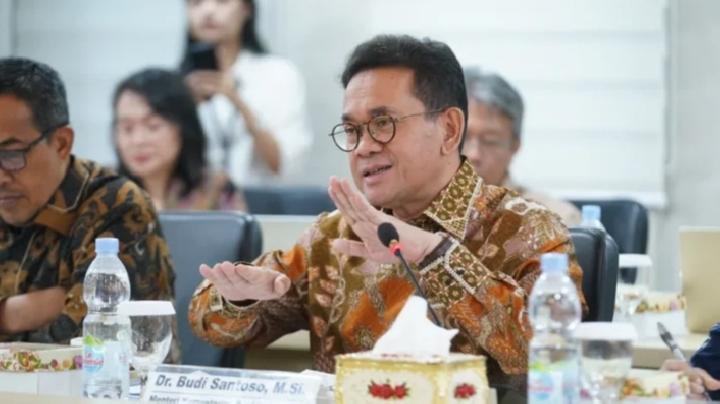
Tempatdonasi.com – Indonesia faces a surplus in its egg and poultry production, a situation highlighted by Trade Minister Budi Santoso, which has led to declining prices within the domestic market. With the nation producing more than it can consume, the government is now looking to expand its reach by exporting these goods to Singapore. This move comes as part of broader efforts to manage the excess supply and stabilize market conditions.
“It’s true that eggs and meat are in surplus. So, there’s an oversupply,” Budi stated during a press conference in Jakarta on Tuesday, June 30, 2026. His remarks underscored the current imbalance between production and consumption, prompting discussions on how to address the surplus.
Despite the surplus, the trade ministry remains actively engaged in identifying international buyers for these products. Budi explained that while no buyers have been secured yet, the ministry is exploring avenues to channel the excess supply to other countries. “This presents an export opportunity,” he added, emphasizing the need for strategic partnerships to absorb the surplus.
Budi also noted that the price decline is not limited to eggs and chicken. Other staple foods, such as rice and cooking oil, have similarly seen reduced market values. He revealed that the current price of eggs stands at Rp26,000 per kilogram, down from the highest retail price (HET) of Rp30,000. Chicken meat, too, has experienced a drop, falling to Rp36,000 per kilogram from its previous HET of Rp40,000.
“If you look at the Market and Staple Needs Monitoring System (SP2KP), yes, some prices have indeed dropped. Yesterday, I visited Banyumas, and I observed several commodities facing downward pressure in pricing,” Budi remarked. This system, he explained, provides critical insights into market dynamics, helping to identify trends and areas where intervention might be necessary.
According to the minister, the surplus is not only a result of overproduction but also tied to the government’s decision to suspend the free nutritious meal (MBG) program. This policy change has reduced the demand for eggs and poultry, as fewer free meals are being distributed to schools and communities. “One of the contributing factors is the suspension of the free meal program, which has lowered the absorption of these commodities,” Budi pointed out.
The MBG program, which previously provided meals to students and low-income families, played a significant role in maintaining stable prices. With its discontinuation, the market has seen a shift in demand, creating a vacuum that has led to price reductions. This has had a noticeable impact on local producers, many of whom are now seeking alternative markets to sustain their operations.
Global Market Opportunities
As Indonesia grapples with domestic oversupply, the focus is shifting toward international markets. Singapore, a key trading partner in Southeast Asia, has emerged as a potential destination for surplus eggs and poultry. The island nation’s robust economy and high demand for quality food products make it an attractive option for exporters. However, the process of establishing trade agreements and meeting regulatory standards will require careful planning.
Budi highlighted that the export initiative is part of a larger strategy to diversify Indonesia’s agricultural trade. “We are analyzing the market needs of Singapore and other countries to ensure compatibility with our supply,” he said. The trade ministry is working closely with industry stakeholders to assess logistical challenges, including transportation costs, packaging requirements, and import regulations.
“We haven’t found any buyers yet, but we’re exploring ways to absorb them in other countries. This creates a window for export opportunities,” Budi elaborated. He emphasized the importance of international collaboration in mitigating domestic supply issues and supporting local farmers.
The surplus has also raised concerns about the long-term viability of the domestic poultry industry. While lower prices benefit consumers, they pose a challenge for producers who must compete with cheaper alternatives. Budi acknowledged this dilemma, stating that the government is supporting producers through subsidies and training programs to enhance productivity and competitiveness.
Experts suggest that the export plan could help stabilize prices by increasing demand abroad. However, they caution that success will depend on the ability to meet Singapore’s quality and safety standards. “Indonesia has a strong reputation for food quality, but we need to ensure that our products are aligned with international expectations,” said one industry analyst.
Meanwhile, the minister reiterated that the domestic market is not without its complexities. “The surplus is temporary, but we need to act quickly to prevent further price erosion,” he warned. This includes monitoring production levels, adjusting supply chains, and promoting value-added products to improve profitability.
Broader Implications for Agriculture
Indonesia’s experience with egg and poultry surplus reflects broader trends in its agricultural sector. With increasing production capacity, the government faces the challenge of balancing domestic consumption with international trade. This situation highlights the need for dynamic policies that can adapt to market fluctuations.
Budi also mentioned the role of seasonal factors in affecting prices. “Certain periods of the year see a higher volume of production, which can lead to temporary oversupply,” he explained. He noted that the ministry is working with agricultural experts to forecast production cycles and plan for export surges accordingly.
For consumers, the lower prices are a positive development. However, the economic impact on producers remains a concern. “We need to ensure that the surplus doesn’t translate into financial losses for farmers,” Budi stated. This has led to discussions about fair pricing mechanisms and government support for small-scale producers.
Industry leaders have welcomed the export initiative, seeing it as a crucial step toward market diversification. “Exporting to Singapore could provide a much-needed outlet for our surplus, allowing us to maintain profitability,” said a poultry farmer from Central Java. Nevertheless, challenges such as infrastructure development and transportation logistics remain.
As the government continues its efforts, the focus is on creating a sustainable export framework. Budi emphasized the importance of partnerships between the public and private sectors, stating that collaboration will be key to achieving long-term success. “We’re not just looking to export for the short term; we want to build lasting trade relationships,” he concluded.
Read: Free Meal Program Keeps Egg Prices Stable, Says Agriculture Minister
Click here to get the latest news updates from Tempo on Google News