
Indonesia Seeking to Double Digital Tax Revenue to Rp24 Trillion
Indonesia Aiming to Double Digital Tax Revenue to Rp24 Trillion Indonesia Seeking to Double Digital Tax Revenue - Indonesia's Directorate General of Taxes (DG
Indonesia Aiming to Double Digital Tax Revenue to Rp24 Trillion
Tempatdonasi.com – Indonesia’s Directorate General of Taxes (DG Tax) has announced plans to significantly boost digital tax revenue, targeting a doubling of the current annual figure from Rp16 trillion to Rp24 trillion. This ambitious goal follows the successful rollout of the Article 22 Income Tax (PPh 22) collection system via marketplace platforms, which has already begun generating substantial income. The initiative is part of broader efforts to modernize the nation’s tax framework and enhance fiscal stability in the digital economy.
Projected Growth and Compliance Improvements
The target of doubling digital tax revenue is grounded in projections of improved taxpayer compliance and the ongoing optimization of the tax system. DG Tax official Bimo Wijayanto, during a press conference held at the DG Tax headquarters in South Jakarta on July 1, 2026, emphasized that the goal is achievable due to enhanced administrative processes and greater adherence to tax obligations by digital businesses.
“The goal, he explained, is to achieve at least double the current level of digital tax revenue,” said Bimo after the event. He noted that the implementation of PPh 22 through marketplaces has been a pivotal step in this direction, allowing the government to capture more revenue from online transactions.
Bimo highlighted that the previous five years had seen digital tax revenue fluctuate between Rp8 trillion and Rp12 trillion annually. The new strategy, however, aims to stabilize and expand this base by leveraging the insights gained from compliance testing and feedback from business operators. These adjustments are expected to streamline operations and reduce discrepancies in tax reporting.
System Enhancements and Operational Stability
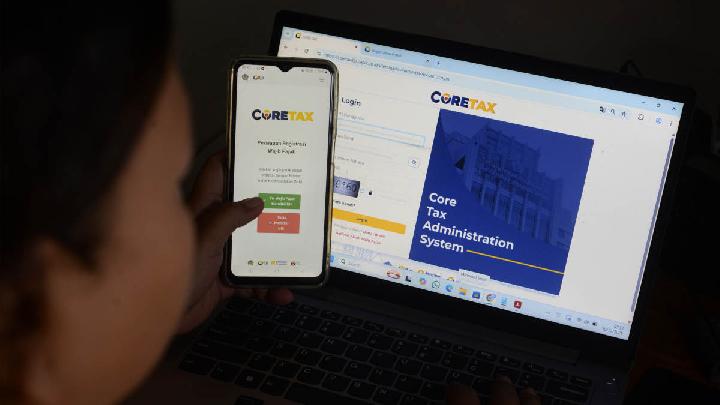
A key component of the tax modernization effort is the Coretax system, which has undergone recent upgrades to ensure accuracy and efficiency. Bimo stated that the system’s performance has been improved through a series of technical fixes, particularly addressing delays in case management that were previously causing disruptions. These corrections, implemented between June 26 and June 28, 2026, have restored the system to full functionality.
According to Bimo, the DG Tax continues to refine the Coretax platform, with a focus on optimizing its algorithm and integrating user feedback. The internal development of source code, which was once outsourced to third-party vendors, now allows for faster and more customized system improvements. This shift has enabled the team to address specific challenges, such as data processing bottlenecks and user interface limitations.
One of the primary objectives of these upgrades is to improve the accuracy of tax data. The Coretax system now incorporates advanced tools that automate data verification and reduce human errors, which has been a recurring issue in the past. By ensuring more reliable data, the government aims to make informed decisions and allocate resources more effectively.
Collaboration with Stakeholders
The success of the PPh 22 collection system relies heavily on collaboration with key stakeholders, particularly small and medium-sized enterprises (MSMEs) and marketplace operators. Bimo underscored that input from these groups has been instrumental in shaping the policy, as they provide critical insights into operational challenges and opportunities for tax optimization.
Marketplace operators, for instance, have played a vital role in facilitating the collection process by integrating tax reporting mechanisms into their platforms. This partnership not only increases transparency but also simplifies the process for taxpayers, encouraging more consistent and timely submissions. MSMEs, which constitute a significant portion of Indonesia’s digital economy, have also been actively engaged in pilot programs to test the system’s effectiveness.
Bimo added that the government is committed to simplifying the user experience of Coretax. A redesigned interface has been introduced to make navigation more intuitive and reduce the learning curve for users. These changes are expected to increase adoption rates, particularly among smaller businesses that may have previously struggled with complex tax procedures.
Future Steps and Public Launch
As part of the rollout, the Coretax system will undergo a final evaluation by Finance Minister Purbaya Yudhi Sadewa in the upcoming week before being officially presented to the public. This review ensures that all technical and operational aspects meet the required standards, providing confidence in the system’s reliability. The minister’s assessment is anticipated to highlight the system’s readiness for nationwide use.
The DG Tax has also prioritized increasing the efficiency of the Coretax algorithm. By streamlining data processing and enhancing automation, the team aims to reduce the time required for tax calculations and reporting. This improvement is particularly beneficial for businesses that handle large volumes of transactions, as it minimizes administrative burdens and accelerates compliance.
Indonesia’s digital tax initiative is part of a larger trend toward digital transformation in governance. With the global shift toward e-commerce and digital services, the country is positioning itself to capture a larger share of the revenue generated by online activities. The double-digit growth target underscores the government’s confidence in the system’s ability to adapt to evolving economic conditions.
Bimo acknowledged that the process has not been without challenges. Initial implementation phases faced hurdles, including technical glitches and resistance from some businesses unfamiliar with the new requirements. However, continuous improvements and stakeholder engagement have mitigated these issues, paving the way for a more robust and scalable system.
Broader Economic Implications
The anticipated increase in digital tax revenue is expected to have far-reaching effects on Indonesia’s fiscal policy and economic growth. With an additional Rp8 trillion annually, the government can invest in infrastructure, social programs, and other initiatives that support sustainable development. This revenue also helps close the gap between tax collection and the country’s economic potential, ensuring a fairer distribution of resources.
Furthermore, the new tax system is designed to foster innovation and competitiveness within the digital sector. By providing a clearer regulatory framework, the government encourages businesses to operate transparently while maintaining the flexibility needed to adapt to market demands. This balance between regulation and innovation is crucial for sustaining long-term growth in the online economy.
Industry experts have welcomed the initiative, noting that it aligns with international best practices in digital taxation. Countries like the United States and the United Kingdom have implemented similar systems to address the challenges of taxing digital services, and Indonesia’s approach reflects a commitment to global standards. The success of this model could serve as a blueprint for other nations facing similar fiscal challenges.
As the system gains traction, the government remains focused on continuous improvement. Regular updates to Coretax are planned, with the aim of incorporating emerging technologies such as artificial intelligence and blockchain to further enhance efficiency and security. These advancements will not only support current goals but also position Indonesia for future economic challenges.
Read: Indonesia’s Marketplace Tax Collection Takes Effect on August 1
Click here to get the latest news updates from Tempo on Google News.