Indonesia, South Korea Finalize KF-21 Fighter Prototype Transfer
Indonesia and South Korea Confirm KF-21 Fighter Aircraft Prototype Transfer Indonesia South Korea Finalize KF 21 Fighter - TEMPO.CO, Jakarta — Indonesia and
Indonesia and South Korea Confirm KF-21 Fighter Aircraft Prototype Transfer
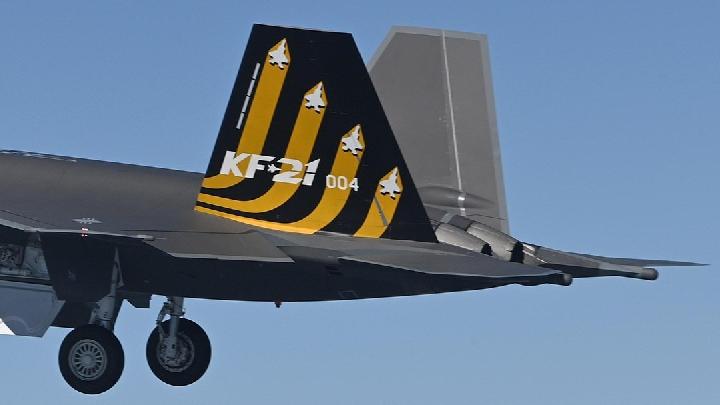
Tempatdonasi.com – TEMPO.CO, Jakarta — Indonesia and South Korea are making final arrangements to transfer a prototype of the KF-21 Boramae fighter jet, a key milestone in their long-standing defense collaboration. The agreement marks a significant step toward completing the joint development project, which will see the aircraft handed over to Indonesia once the program is officially concluded. This development comes as both nations work to solidify the technical and procedural framework for the transfer.
Technical Discussions and Contract Finalization
Speaking at Korea Aerospace Industries (KAI) headquarters in Sacheon, South Korea, Park Seonghee, head of the Asia Team 2 International Business Development, highlighted the progress made between the two countries. “The governments have reached consensus on the transfer of one KF-21 prototype,” he said. “Currently, the focus is on refining the technical logistics and setting a clear timeline for delivery.”
“Both governments are discussing the transfer mechanism, especially regarding the technological aspects and the timeline of the implementation,” Park explained during the Indonesian Next-Generation Journalist Network event, hosted by the Korea Foundation and the Foreign Policy Community of Indonesia.
Park emphasized that the project is on track, with the contract nearing completion. “Most of the cooperative terms have already been settled, and the program is moving forward smoothly,” he added. The next phase involves finalizing the contract, after which KAI plans to deliver 16 units of the fighter jet to Indonesia. He noted that the Republic of Korea Air Force (ROKAF) will receive its first KF-21 aircraft in September 2026, marking the start of operational deployment.
Prototype Handover and Project Timeline
Indonesian Ambassador to South Korea, Cecep Herawan, previously outlined the project’s progress during a meeting at the Indonesian Embassy in Seoul. “The joint development, which has been in progress for over a decade, is expected to be completed by June 2026,” he said. “One of the six prototype aircraft will be transferred to Indonesia as part of the agreement.”
“The prototype arrangement out of the six KF-21 aircraft has been agreed upon, and one of the six prototype aircraft will be handed over to Indonesia. Hopefully, this can be realized in the near future,” Cecep stated, underscoring the importance of the milestone.
Herawan also confirmed that Indonesia has met its financial commitments to the project. With the development phase concluding, attention will now shift to utilizing the program’s outcomes and exploring further collaboration opportunities. “We will now focus on leveraging the project’s results and assessing potential next steps,” he said. The ambassador described Indonesia as a strategic partner in South Korea’s defense industry, highlighting their decades-long partnership in military technology.
Leadership Commitment and Project Background
The KF-21 project was a central topic during a bilateral meeting between Indonesian President Prabowo Subianto and South Korean President Lee Jae-myung in April 2026. At the South Korean Presidential Palace, Coordinating Minister for Economic Affairs Airlangga Hartarto confirmed that the two leaders addressed the program’s status. “The issue of the IFX or KF-21 was discussed in the meeting,” Hartarto said, emphasizing its strategic value.
“So, in the bilateral meeting, one of the issues raised was indeed related to the IFX,” Hartarto remarked. He noted that President Prabowo reaffirmed Indonesia’s dedication to the project by pledging to send technical and engineering teams to South Korea. “The President conveyed that he will soon dispatch teams, both technical and engineering,” Hartarto added.
The KF-21, a multirole fighter aircraft, is designed to meet the evolving needs of the South Korean Air Force. It aims to replace older F-4 and F-5 models while enhancing the country’s domestic defense production capabilities. The collaboration began in 2010 with an agreement to jointly develop the jet, and the program was officially launched in 2015. The initial budget of 8.1 trillion won (approximately Rp95.32 trillion) reflects the scale of the endeavor.
Financial Adjustments and Project Challenges
Despite the project’s momentum, financial challenges delayed Indonesia’s contributions. In 2025, South Korea adjusted the terms to ease the burden on Indonesia, reducing its share of development costs from 20% to around 600 billion won. This move ensures the program can proceed without further setbacks, according to KAI officials.
The revised financial structure allows both nations to maintain their partnership while addressing the economic hurdles that had previously slowed progress. Park Seonghee acknowledged the adjustment, stating, “This change enables the project to move forward efficiently, with both parties aligned on shared goals.” The partnership is now seen as a model for collaborative defense innovation, with Indonesia’s role evolving from a contributor to a key beneficiary.
Strategic Implications for Defense Cooperation
The KF-21 project underscores the deepening defense ties between Indonesia and South Korea. Since 1979, Indonesia has been a major buyer of South Korean military equipment, including aircraft, ships, and radar systems. This long-standing relationship has now expanded to include joint development, reflecting mutual trust and strategic alignment.
Indonesia’s involvement in the KF-21 program is expected to bolster its aerospace industry and reduce reliance on foreign suppliers. The transfer of the prototype will serve as a testing ground for Indonesia’s integration into advanced aviation technology. “This collaboration is a game-changer for our defense sector,” said a KAI representative. “It provides hands-on experience with cutting-edge systems and accelerates our ability to produce similar capabilities locally.”
South Korea, meanwhile, views Indonesia as a vital partner in expanding its defense exports. The country has consistently sought to strengthen its presence in Southeast Asia through military technology deals, and the KF-21 project is a cornerstone of this strategy. By sharing the costs and benefits of development, both nations aim to create a sustainable framework for future projects.
Future Prospects and Regional Impact
With the prototype transfer imminent, discussions will shift to operational training and maintenance protocols. Indonesia’s defense ministry is working closely with KAI to ensure the jet’s seamless integration into its air force. This phase will also involve evaluating the long-term benefits of the collaboration, including technological transfer and workforce development.
The KF-21’s success could influence other regional partnerships. Analysts suggest that Indonesia’s ability to operate advanced fighter jets may encourage neighboring countries to seek similar collaborations with South Korea. “This project sets a precedent for joint ventures in the Asia-Pacific,” said a defense expert. “It demonstrates how shared goals can lead to mutually beneficial outcomes.”
As the deadline for the project’s completion approaches, both nations are optimistic about the future. The KF-21 is not just a military asset but a symbol of strengthened diplomatic and economic ties. With the prototype transfer and eventual delivery of 16 units, Indonesia is poised to enhance its defense capabilities while deepening its strategic relationship with South Korea. This partnership, now over a decade old, is expected to have lasting impacts on regional security and industrial cooperation.
Historical Context and Program Evolution
The KF-21 project began as a joint initiative in 2010, with both countries aiming to develop a modern fighter jet tailored to South Korea’s needs. Initially, Indonesia was responsible for 20% of the costs, a commitment that was later adjusted due to delays. The revised agreement, finalized in 2025, ensures smoother financial coordination and faster progress.
Throughout its development, the project has faced challenges, including supply chain issues and technical hurdles. However, the collaboration between KAI and Indonesian defense experts has proven resilient. “We’ve navigated obstacles through continuous dialogue and shared expertise,” Park noted. The project’s ability to adapt and overcome these issues highlights its importance to both nations’ defense strategies.
As the KF-21 moves closer to completion, its role in South Korea’s military modernization becomes more defined. The aircraft is projected to replace aging fleets and provide a versatile platform for air superiority and ground attack missions. For Indonesia, the acquisition of these jets will complement its existing military assets, enhancing its strategic deterrence and operational readiness.
The long-term benefits of the KF-21 program extend beyond immediate military needs. By investing in joint development, Indonesia gains access to advanced technologies and expertise, which can be applied to its own aerospace initiatives. South Korea, in turn, strengthens its position as a leading defense exporter in the region. This synergy is expected to foster innovation and create new opportunities for collaboration in the years to come.