Indonesia’s Whoosh Debt Restructuring Talks Remain on Track, Says China
Indonesia's Debt Restructuring Talks for Jakarta-Bandung High-Speed Railway Remain Active, Says China Indonesia s Whoosh Debt Restructuring Talks - Jakarta
Indonesia’s Debt Restructuring Talks for Jakarta-Bandung High-Speed Railway Remain Active, Says China
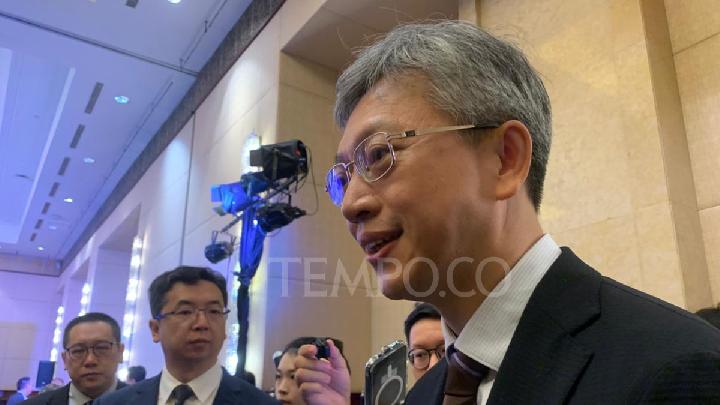
Tempatdonasi.com – Jakarta, June 24 — Chinese Ambassador to Indonesia Wang Lutong highlighted that negotiations on repaying the debt associated with the Jakarta-Bandung high-speed railway, branded as Whoosh, are progressing smoothly between the two nations. The comments were made following the recent China-Indonesia Think Tank and Media Forum held in South Jakarta, where Wang emphasized ongoing collaboration and transparency in addressing financial challenges.
Debt Burden of the Whoosh Project
The Jakarta-Bandung high-speed railway, a cornerstone of Indonesia’s infrastructure development, has drawn significant attention due to its financial implications. Officially launched in 2023, the project has become a symbol of the growing economic ties between Indonesia and China. However, its operational costs have surpassed initial projections, creating a substantial debt burden for the Indonesian government.
The total investment for the project is estimated at $7.2 billion, or roughly Rp120 trillion, making it one of the country’s most ambitious public works undertakings. A majority of this funding—approximately 75%—was sourced from the China Development Bank, while the remaining 25% was covered by equity contributions from PT Kereta Cepat Indonesia China (KCIC), the entity responsible for operating the line. KCIC is a joint venture between Indonesian and Chinese partners, with PT Pilar Sinergi BUMN Indonesia (PSBI) holding a 60% stake and Beijing Yawan HSR Co. Ltd. controlling the remaining 40%.
Construction of the railway began in 2016 but faced delays and rising expenses. By the time the line was operational, the project’s costs had increased by an additional $1.21 billion, primarily due to overruns in planning and execution. This financial strain has prompted the Indonesian government to seek a restructuring agreement with China to ease repayment obligations.
Progress in Restructuring Efforts
Reforms to manage the debt have been under discussion for several months, with both the Indonesian government and the sovereign investment fund Danantara playing key roles. In late 2025, Indonesia sent a specialized team to engage in formal talks with Chinese representatives, aiming to finalize a restructuring framework. These discussions have since gained momentum, with officials signaling that a resolution is within reach.
Earlier this year, Danantara’s Chief Operating Officer, Dony Oskaria, noted that all preliminary studies and evaluations had been completed. “The formal process, including signing and related procedures, is now the focus,” Oskaria stated during a meeting at the Presidential Palace in Jakarta on April 7. His remarks underscored the transition from analysis to actionable steps, though the specifics of the agreement remain confidential.
Finance Minister Purbaya Yudhi Sadewa later confirmed that negotiations had effectively concluded, sharing the outcome with Chinese authorities. “It’s finished. It just needs to be announced,” Purbaya said on April 22, emphasizing that both sides would share the financial responsibilities tied to the project. He hinted at a shared burden model, where Indonesia and China would each contribute to the adjusted repayment terms.
China’s Stance on Ongoing Discussions
Wang Lutong, during the forum, reiterated that the dialogue between Indonesia and China is robust and productive. “We are in close communication with key stakeholders and relevant ministries. Everything is progressing well,” he remarked, addressing reporters. While the ambassador did not confirm a finalized deal, his statement reinforced the commitment of both parties to resolving the debt issue collaboratively.
China’s involvement in the project has been pivotal, particularly given its significant financial contribution. The country’s Development Bank has provided critical funding, but the terms of repayment have sparked debate. The Indonesian government has repeatedly emphasized the need to balance the project’s economic benefits with its financial risks, ensuring that the restructuring plan aligns with national economic priorities.
Wang’s remarks also suggest that the restructuring process is not just about financial terms but also about strengthening bilateral cooperation. “The discussions are continuing, and the focus is on maintaining a constructive dialogue,” he added. This approach reflects a broader strategy to ensure the project’s sustainability while fostering trust between the two nations.
Despite the progress, challenges remain. The exact details of the agreement, including the percentage of debt reduction and payment schedules, have not been disclosed publicly. However, officials have indicated that the plan is designed to accommodate both parties’ interests, with Indonesia aiming to reduce its financial exposure and China seeking to secure its investment returns.
Analysts have noted that the successful restructuring of the Whoosh project could serve as a template for future infrastructure ventures between Indonesia and China. The high-speed railway, spanning over 142 kilometers, has already begun operations, and its completion marks a significant milestone in regional connectivity. However, the debt concerns highlight the importance of financial oversight in large-scale public projects.
As the talks move forward, both governments are likely to prioritize transparency while protecting sensitive information. The outcome of the restructuring will have far-reaching implications, not only for the immediate fiscal health of Indonesia but also for its long-term economic partnerships. With the support of Chinese stakeholders, the plan is expected to be finalized in the near future, offering a resolution to the project’s financial complexities.
Ilona Estherina contributed to the writing of this article. Read: China Detains Two Japanese Nationals on Smuggling Charges Click here to get the latest news updates from Tempo on Google News
“We are in close communication with key stakeholders and relevant ministries. Everything is progressing well,” Wang told reporters.
“All studies and assessments have been completed. What remains is the formal process, including signing and related procedures,” Dony said at the Presidential Palace complex in Jakarta on April 7.
“It’s finished. It just needs to be announced,” Purbaya told reporters in Jakarta on April 22.
“Our percentage, their percentage of payment—something along those lines. So both sides will bear part of the burden,” Purbaya said.