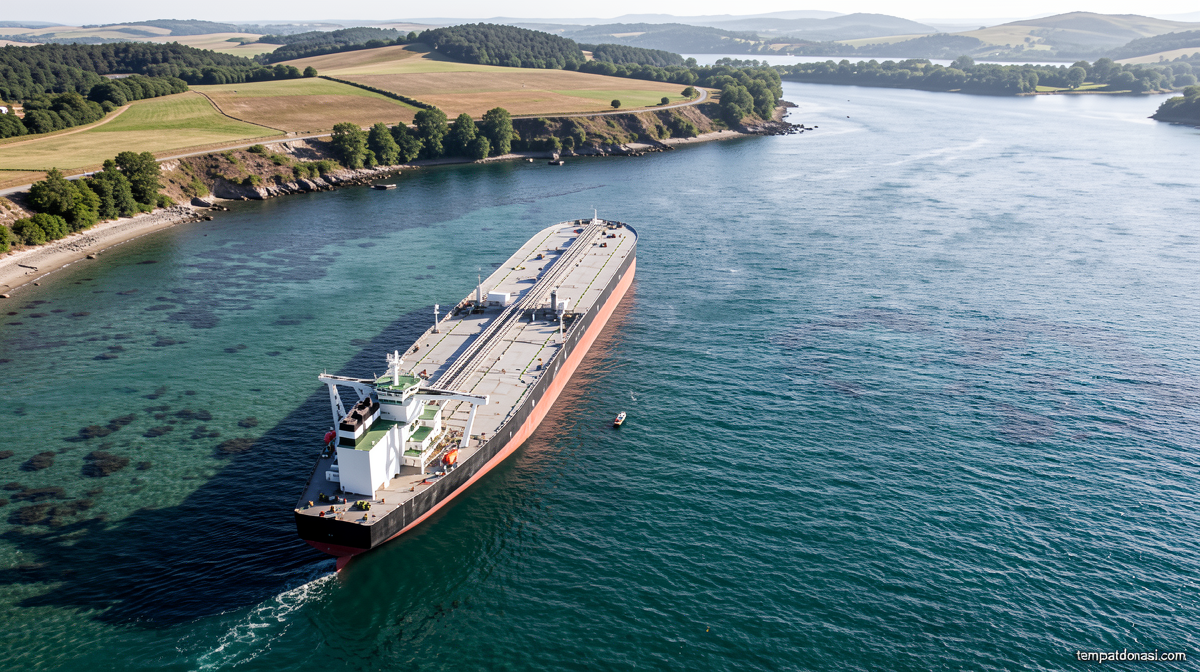
Iran, Oman Establish Joint Committee on Strait of Hormuz
Iran, Oman Establish Joint Committee on Strait of Hormuz Iran Oman Establish Joint Committee on Strait - Iran and Oman have created a shared task force to
Iran, Oman Establish Joint Committee on Strait of Hormuz
Tempatdonasi.com – Iran and Oman have created a shared task force to address the strategic significance of the Strait of Hormuz, according to Mohammad Bagher Ghalibaf, the Iranian Parliament’s chief representative and lead negotiator. The initiative marks a pivotal step in bilateral efforts to ensure the safe passage of maritime traffic through one of the world’s most critical oil chokepoints. Ghalibaf shared the announcement on Telegram, stating that the formation of the committee followed a recent visit by the Iranian delegation to Muscat, where discussions focused on coordinating measures to secure the strait’s vital shipping lanes. The details of the collaboration will be formalized in a joint statement, which both nations plan to release shortly.
A Step Toward Regional Cooperation
The joint committee aims to foster sustained dialogue between Iran and Oman, two neighboring Persian Gulf states with a shared interest in maintaining stability in the region. While the exact composition and objectives of the committee remain undisclosed, its establishment underscores the growing recognition of the strait’s importance to global energy security. The partnership builds on previous cooperation between the two nations, particularly in economic and diplomatic initiatives, but this marks a new focus on security and logistics in the waterway. Analysts suggest the move could signal a broader alignment of interests, especially as Iran seeks to counter external pressures on its shipping routes.
“Following the delegation’s visit to Muscat, Iran and Oman have formed a joint committee for dialogue on the Strait of Hormuz, the details of which will be published in a joint statement,” Ghalibaf wrote on Telegram, as quoted by ANTARA.
Earlier this month, Iranian officials confirmed that they are working with Oman to develop a shipping mechanism designed to streamline cargo movement through the strait. This initiative comes amid rising concerns about potential disruptions to oil exports, which could have far-reaching economic consequences. The two nations are reportedly exploring ways to enhance communication and coordinate responses to regional threats, such as maritime piracy or the impact of international sanctions. Oman’s strategic location and its role as a neutral intermediary in regional disputes have made it a key partner for Iran in this endeavor.
US-Iran Accord and Its Impact
Last week, Iran and the United States signed an online memorandum of understanding (MoU) that outlines an end to the military conflict initiated on February 28. This agreement includes a clear timeline for the U.S. to lift its naval blockade of Iranian ports and for Iran to resume full shipping operations in the Strait of Hormuz. The MoU is part of a larger effort to stabilize the region, with both countries emphasizing the need for cooperation to prevent further escalation. The document also establishes a framework for resolving disputes over maritime traffic, which has been a point of contention for months.
The U.S. military conflict with Iran began on February 28, when American forces intercepted an Iranian tanker in the Gulf of Oman. This incident sparked tensions that led to a series of retaliatory actions, including Iran’s attacks on oil tankers in the strait. The new MoU aims to address these issues by setting specific milestones. For instance, the U.S. is expected to reduce its naval presence in Iranian waters within a defined period, while Iran commits to restoring normal shipping traffic. The agreement is seen as a significant breakthrough, particularly as it coincides with the joint committee’s formation and the ongoing talks between Iran and Oman.
Technical Talks in Switzerland
Technical discussions between Iran and the United States, mediated by Pakistan and Qatar, took place in Burgenstock, Switzerland, on June 21. These talks were part of a broader set of negotiations to resolve the maritime dispute and restore diplomatic relations. The involvement of Pakistan and Qatar highlights the growing role of regional allies in facilitating dialogue between Iran and Western powers. The summit in Switzerland was a critical moment in the process, with both sides agreeing to outline specific steps for de-escalation and cooperation. The outcomes of these talks are expected to complement the joint committee’s work, creating a dual strategy to secure the strait’s stability.
The U.S.-Iran MoU is also linked to the recent decision by the United States to waive certain oil sanctions on Iran. This move, which was announced alongside the agreement, is intended to ease economic pressure on the country and encourage renewed trade. The waiver is part of a package of incentives that includes the return of nuclear inspectors to Iran, a development that has been welcomed by the Islamic Republic as a sign of diplomatic progress. Together, these measures form a comprehensive approach to addressing the challenges faced by Iran’s energy sector and its strategic interests in the Gulf.
Strategic Implications for the Region
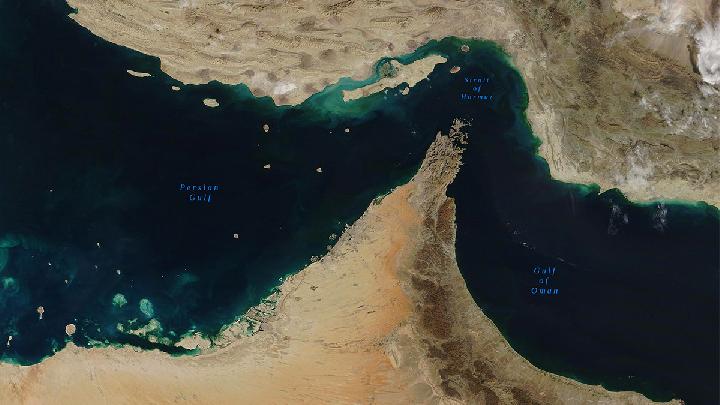
The Strait of Hormuz, a narrow waterway between the Persian Gulf and the Arabian Sea, is a lifeline for global oil markets. Approximately 20% of the world’s oil supply passes through the strait, making it a focal point for geopolitical tensions. Iran’s efforts to secure this route with Oman and the U.S. reflect the complex interplay of regional and international interests. While the joint committee is primarily focused on dialogue and coordination, its success could have broader implications for the stability of the Persian Gulf and the security of global energy supplies.
Analysts note that the collaboration between Iran and Oman is not only about resolving immediate issues but also about strengthening their economic and political ties. Oman’s commitment to supporting Iran’s shipping mechanisms may be viewed as a strategic move to bolster its own position in the region. Additionally, the involvement of the U.S. in the agreement could pave the way for future negotiations on other pressing matters, such as Iran’s nuclear program and sanctions relief. The combination of these initiatives highlights a multi-faceted approach to addressing the challenges faced by the strait and the countries surrounding it.
The formation of the joint committee and the U.S.-Iran MoU are part of a larger trend of regional cooperation and international dialogue. With the Strait of Hormuz at the center of these efforts, both Iran and Oman are positioning themselves as key players in ensuring the smooth operation of one of the world’s most vital shipping corridors. The success of these collaborations will depend on sustained engagement, transparency, and the ability to overcome past tensions. As the details of the joint statement are released, the international community will be closely watching to see how this partnership evolves and what it means for global energy security.
Read: US Waives Iran Oil Sanctions as Nuclear Inspectors to Return Click here to get the latest news updates from Tempo on Google News