Iran Rejects US Claims Over Frozen Assets
Iran Rejects US Claims Over Frozen Assets Iran Rejects US Claims Over Frozen - Iran has asserted its independence in managing billions of dollars in frozen
Iran Rejects US Claims Over Frozen Assets
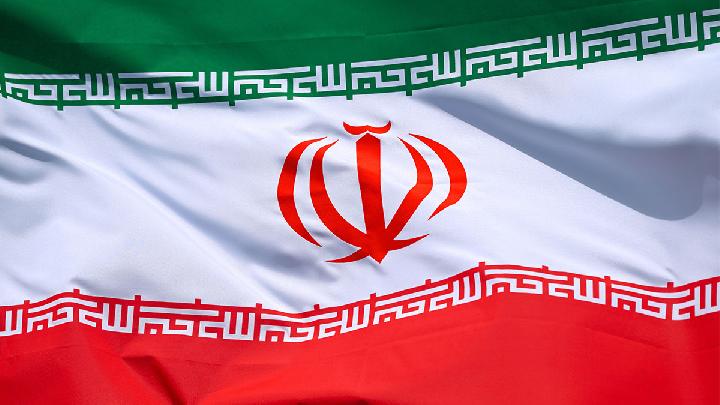
Tempatdonasi.com – Iran has asserted its independence in managing billions of dollars in frozen assets that are set to be released under a recent agreement with the United States, according to reports by DW. The nation emphasized that it would retain full control over these funds, countering U.S. efforts to assert influence over their usage. This stance has intensified debates over the terms of the deal and its implications for Iran’s economic sovereignty.
U.S. Position on Unfrozen Assets
On Monday, U.S. Vice President JD Vance stated that the assets had not yet been fully unfrozen, highlighting concerns about their potential use. Vance argued that the funds, once released, should be directed toward purchasing U.S. goods such as soybeans and would not be allocated to support terrorist activities. This position reflects broader U.S. goals to ensure the funds serve strategic interests while addressing humanitarian needs.
“The Money and/or Sanctions that the U.S. Treasury is releasing goes into escrow, controlled by the USA, and will be used for the purchase of food and medical supplies, exclusively from the United States, including Corn, Wheat, and Soybeans from our great American Farmers,” Trump wrote in a social media post on Tuesday.
President Donald Trump reinforced Vance’s remarks, underscoring the U.S. commitment to using the funds to aid Iran’s population. He framed the release as a response to a “humanitarian crisis,” claiming that the measures would provide immediate relief by supporting essential imports. However, this approach has drawn criticism from Iranian officials, who view it as an attempt to undermine their sovereignty.
Iranian Response and Sovereignty Claims
Iranian Ambassador Ali Bahreini countered the U.S. claims during a press conference in Geneva on Tuesday. He asserted that Tehran would have complete authority over the funds once they were unfrozen, rejecting any external oversight. “Iran is the only country who will decide what to do with its assets, which are going to be defrozen,” Bahreini declared. “I reject any claim by [Washington] that there should be any role for any other country to have an influence on those decisions or on those processes.”
Bahreini’s comments underscored Iran’s determination to maintain control over its financial resources. The ambassador criticized the U.S. for prioritizing its own economic interests over Iran’s right to allocate the funds as it sees fit. This dispute highlights the tension between the two nations over the balance of power in financial negotiations.
The Financial Deal and Its Terms
Iranian state media reported that Washington had agreed to release $12 billion in frozen Iranian funds and temporarily ease sanctions on its oil exports as part of ongoing negotiations. The agreement aims to resolve the ongoing conflict and stabilize trade relations. However, the terms of the deal remain contested, with Iran insisting that the funds will be used for its national priorities rather than U.S. demands.
Details of the deal, including the timeline for asset release and the scope of sanctions relief, have not been fully disclosed. Iran has called for transparency, arguing that the U.S. should not dictate how the money is spent. The country’s leadership has framed the thawing of assets as a victory, despite the U.S. insistence on conditions for their use.
Historical Context of U.S.-Iran Tensions
Iran has faced U.S. sanctions and asset freezes since the Iranian Revolution in 1979, which led to the seizure of the U.S. embassy in Tehran. This event marked the beginning of decades-long economic and political friction between the two nations. Over the years, the U.S. has imposed restrictions on Iran’s financial institutions, citing its support for terrorism and nuclear ambitions.
The current asset freeze is part of a larger strategy to pressure Iran into compliance with international agreements, such as the Joint Comprehensive Plan of Action (JCPOA). While the deal represents a potential breakthrough, it also raises questions about the extent of U.S. leverage over Iran’s economy. Critics argue that the funds could be used to alleviate Iran’s economic struggles, but the U.S. insists on maintaining control to ensure the money benefits its strategic objectives.
Broader Implications for International Relations
The disagreement over asset management reflects deeper ideological divides between Iran and the United States. Iran views the U.S. as imposing undue financial control, while Washington sees itself as a mediator capable of steering Iran toward economic reform. This dynamic has implications for global trade, as Iran’s access to international markets is heavily influenced by U.S. policies.
Supporters of the U.S. position argue that the funds will be channeled to address Iran’s humanitarian needs, particularly in sectors like agriculture and healthcare. They contend that the temporary relief on oil sanctions will allow for increased U.S. exports, benefiting both economies. However, Iran’s leadership has warned that the U.S. may use the funds to advance its geopolitical goals rather than purely economic ones.
Iran’s Economic Challenges and Strategic Priorities
Iran’s economy has been under significant strain due to prolonged sanctions and global oil price fluctuations. The release of frozen assets could provide critical relief, enabling the country to invest in infrastructure, technology, and social programs. Yet, the U.S. insists on earmarking the funds for specific purposes, which Iran disputes.
Analysts suggest that Iran’s focus on sovereignty is rooted in its historical experience with foreign intervention. The nation has long resisted efforts to dictate its economic policies, viewing such actions as a threat to its independence. This mindset has shaped its negotiations with the U.S., leading to a standoff over the allocation of the released funds.
Global Reactions and Future Outlook
The dispute has drawn attention from international observers, who are closely monitoring the implications for Iran’s economy and U.S.-Iran relations. Some countries have expressed support for Iran’s right to manage its assets, while others remain aligned with Washington’s position. The situation could influence the broader geopolitical landscape, particularly as Iran seeks to strengthen its alliances with nations like China and Russia.
As negotiations continue, the outcome will determine the future of Iran’s financial autonomy and the extent of U.S. influence in the region. The release of $12 billion and the temporary easing of sanctions may serve as a stepping stone toward a more comprehensive agreement, but the underlying tensions remain unresolved. The world will be watching to see how this conflict evolves and what it means for global trade and diplomacy.
Read: Iran Says Hormuz Waterway ‘Fully Open’ to Commercial Vessels Click here to get the latest news updates from Tempo on Google News