Iran Supreme Leader Mojtaba Khamenei Vows Revenge for Father’s Death
Mojtaba Khamenei Promises Retaliation Following Father's Assassination A Son's Pledge Amidst National Mourning Iran Supreme Leader Mojtaba Khamenei Vows - In
Mojtaba Khamenei Promises Retaliation Following Father’s Assassination
A Son’s Pledge Amidst National Mourning
Tempatdonasi.com – In a solemn declaration broadcast across Iranian state television, Mojtaba Khamenei has committed to delivering justice against both the United States and Israel. This promise comes in the wake of his father’s tragic death, which occurred during a devastating aerial bombardment. Ali Khamenei, who served as Iran’s Supreme Leader before his passing, was among those killed when American and Israeli forces launched their coordinated military campaign against the Islamic Republic.
The timing of the attack proved particularly significant, as it struck at the very beginning of hostilities. On February 28, a massive airstrike claimed the lives of the supreme leader alongside several members of his immediate family. The coordinated assault targeted multiple locations, resulting in numerous casualties among Iran’s political elite.
Official Statement Emphasizes Inevitable Justice
According to a written proclamation attributed to Mojtaba Khamenei, the nation’s collective demand for retribution must be fulfilled without delay. The statement, which was subsequently aired on national broadcasting networks, conveyed a resolute message from the Khamenei family to their adversaries.
“Revenge is the demand of the nation and must certainly be carried out,” the statement read, emphasizing the collective will of the Iranian people.
Mojtaba further elaborated on this commitment, expressing his family’s determination to honor those who lost their lives. He specifically referenced the martyrs from both conflicts, positioning the upcoming retaliation as a sacred duty rather than merely a political response.
“We pledge to avenge the blood of the martyred leader and all the martyrs of these two wars from the criminal and disgraced killers,” Mojtaba declared, reinforcing that Iran’s vengeance was unavoidable and destined to materialize.
Public Mourning and National Unity
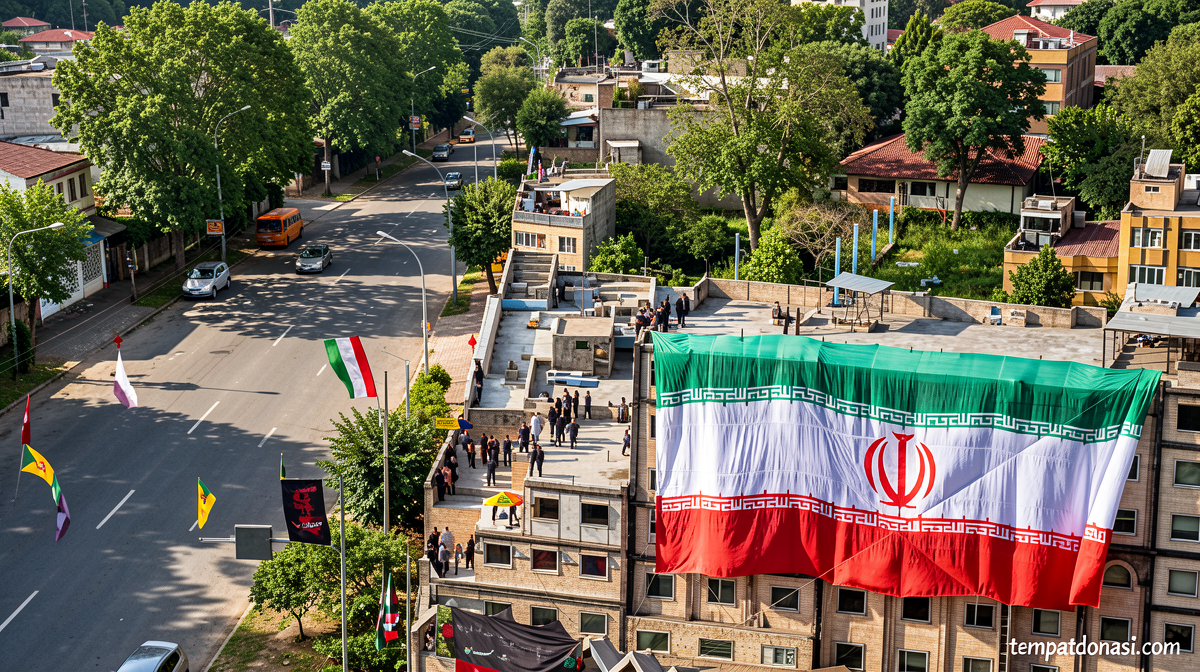
The announcement arrived during an extended period of national mourning, as Iranian citizens participated in multi-day funeral ceremonies honoring their fallen leader. The scale of public participation demonstrated the deep emotional connection between the Iranian populace and their religious and political leadership.
A particularly notable event was the grand procession through Tehran, where millions of citizens gathered to pay their final respects. The massive turnout served multiple purposes beyond mere commemoration. Iranian authorities deliberately encouraged widespread participation to project an image of enduring national strength and cohesion during critical diplomatic negotiations aimed at concluding the ongoing conflict.
The procession featured the coffins of Ali Khamenei and several family members who perished together in the February 28 attack. Their remains were carried through the streets of the capital, creating a powerful visual symbol of sacrifice and resilience in the face of foreign aggression.
Mojtaba’s Disappearance and Injuries
Since the devastating airstrike that claimed his father’s life, Mojtaba Khamenei has remained largely absent from public view. American officials have reported that he suffered serious injuries during the same attack that killed Ali Khamenei. This absence has fueled speculation about the severity of his condition and his role in the immediate aftermath of the tragedy.
The combination of personal loss, physical trauma, and political responsibility places Mojtaba in a unique position as he navigates his family’s legacy and Iran’s future direction. His vow of retaliation carries particular weight given his dual role as both a grieving son and a potential successor to his father’s influential position.
Looking Forward
As Iran continues its diplomatic efforts to secure a permanent resolution to the war, Mojtaba’s promises of retribution remain a central element of the nation’s stance. The coming weeks and months will likely reveal whether these words translate into concrete military or political actions against the United States and Israel.
The funeral ceremonies, the public displays of unity, and Mojtaba’s solemn pledges all point toward a nation determined to honor its fallen leaders while preparing for whatever challenges lie ahead in this new chapter of regional conflict.