
Jakarta Launches Air Quality Early Warning System for Residents
Jakarta Launches Air Quality Early Warning System for Residents Jakarta Launches Air Quality Early Warning - TEMPO.CO, Jakarta – The Jakarta provincial
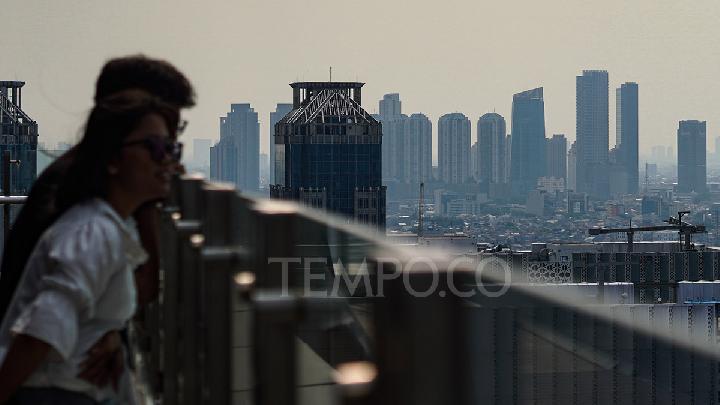
Jakarta Launches Air Quality Early Warning System for Residents
Tempatdonasi.com – TEMPO.CO, Jakarta – The Jakarta provincial government has introduced an Air Quality Early Warning System (EWS) through its dedicated website, udara.jakarta.go.id, to provide residents with real-time air quality updates and predictive forecasts up to three days in advance. This initiative aims to empower citizens to make informed decisions about their daily routines, especially when planning to venture outdoors. The system integrates technical data with actionable insights, offering practical guidance to mitigate health risks linked to poor air quality.
Jakarta Governor Pramono Anung highlighted the significance of the new tool during the Jakarta Eco Future Festival (JEFF) 2026, stating that it enhances public access to comprehensive air quality information. “Previously, people could only check air quality conditions for the current day. Now, forecasts for up to three days ahead are available,” he said in a written statement released on July 3, 2026. This advancement allows residents to anticipate pollution trends and adjust their activities accordingly, fostering a proactive approach to environmental health.
“The EWS goes beyond presenting technical data by offering practical guidance to help residents take preventive measures when pollution levels are expected to worsen,” Pramono added.
The system is designed to be user-friendly, leveraging an interactive map to display air quality across Jakarta’s districts. Residents can view data using Indonesia’s Air Pollution Standard Index (ISPU) and track the locations of monitoring stations. This feature ensures transparency and ease of access, enabling individuals to identify areas with higher pollution levels and plan their movements accordingly.
Integrated Air Quality Information
Head of the Jakarta Environmental Agency, Dudi Gardesi, emphasized the city’s commitment to safeguarding public health through the EWS. “This platform reflects Jakarta’s dedication to strengthening health protections against the effects of urban air pollution,” he stated. The system consolidates data from multiple sources, including the Jakarta Environmental Agency, the Indonesia Meteorology, Climatology, and Geophysics Agency (BMKG), and the Jakarta Health Agency, into a single, accessible interface.
Developed with support from Breathe Cities, a global initiative led by Bloomberg Philanthropies, Clean Air Fund, and C40 Cities, the EWS was implemented in Jakarta in partnership with Vital Strategies. This collaboration ensures that the platform not only delivers accurate data but also aligns with international best practices in environmental health management. The integration of diverse datasets allows for a holistic view of air quality, combining current conditions with predictive models to guide residents effectively.
Dudi explained that the EWS’s design prioritizes clarity and practicality. “By unifying air quality data, forecasts, and health recommendations, we aim to simplify the decision-making process for the public,” he said. The platform’s interactive nature ensures that users can quickly grasp pollution patterns and take necessary precautions, whether it’s limiting outdoor exertion or seeking indoor alternatives.
Four Key Features
The EWS includes four core functionalities tailored to meet the needs of Jakarta’s diverse population. First, it offers real-time air quality data alongside pollution forecasts, providing a continuous flow of information to support timely responses. Second, it delivers district-specific forecasts, allowing residents to assess local conditions and adjust their plans accordingly. This granular approach ensures that communities can address localized pollution challenges effectively.
Third, the system generates personalized activity recommendations based on users’ health profiles. Special guidance is provided for vulnerable groups, such as children, pregnant women, older adults, and individuals with chronic illnesses, covering both indoor and outdoor activities. This feature not only helps people plan their day but also directs them to nearby healthcare facilities for immediate assistance if needed.
Finally, the platform includes a self-assessment tool that enables users to report symptoms potentially connected to air pollution exposure. Based on their responses, the system evaluates their health risk level, categorizing it as low, medium, or high. “With this feature, people can identify potential health risks earlier and take appropriate preventive steps,” Dudi said, underscoring the system’s role in early intervention.
The EWS’s multifaceted design addresses both immediate and long-term concerns. By merging environmental data with health advisories, it bridges the gap between scientific analysis and public action. For instance, residents in areas with high ISPU readings can receive alerts about specific pollutants and adjust their behavior to minimize inhalation risks. The system also accommodates varying needs, from general public awareness to targeted support for high-risk individuals.
Dudi Gardesi expressed optimism about the EWS’s potential to become a central resource for Jakarta’s air quality monitoring. “Our goal is to ensure this platform serves as a reliable reference for residents, helping them take precautions before pollution levels escalate to dangerous levels,” he noted. The initiative aligns with broader urban sustainability efforts, promoting a culture of environmental responsibility and health-conscious living.
The EWS’s implementation marks a significant step in Jakarta’s fight against air pollution, which has long been a challenge due to rapid urbanization and industrial activity. By offering predictive capabilities, the system empowers individuals to make choices that reduce their exposure to harmful pollutants. This proactive strategy could lead to long-term improvements in public health outcomes, particularly in densely populated areas where air quality is most affected.
Residents can access the EWS by visiting udara.jakarta.go.id, where they will find tools to monitor pollution levels, view forecasts, and receive health recommendations. The platform’s accessibility and ease of use are critical to its success, as widespread adoption will ensure maximum benefit for the community. With ongoing updates and improvements, the EWS is expected to evolve into a more sophisticated resource, incorporating advanced analytics and expanded features to further enhance its utility.
As part of its commitment to environmental health, Jakarta’s government continues to explore innovative solutions to address air quality concerns. The EWS is a testament to the city’s proactive stance, combining technology with public health strategies to create a more resilient urban environment. This initiative not only reflects the current priorities of Jakarta’s leadership but also sets a precedent for other cities facing similar challenges.
Read: Jakarta to Build Love Lock Bridges Over Cideng River Click here to get the latest news updates from Tempo on Google News