Jakarta Offers Prizes for Waste Sorting on Anniversary Peak Night
Jakarta Offers Prizes for Waste Sorting on Anniversary Peak Night Jakarta Offers Prizes for Waste Sorting - In a bid to combat environmental challenges, the
Jakarta Offers Prizes for Waste Sorting on Anniversary Peak Night
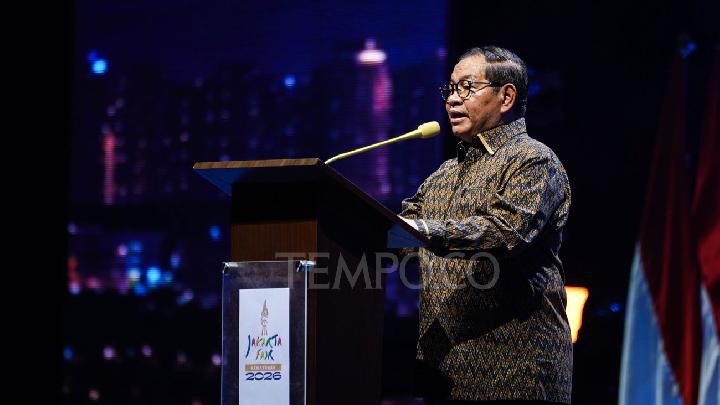
Tempatdonasi.com – In a bid to combat environmental challenges, the Jakarta provincial government has launched a waste segregation campaign during the city’s 499th anniversary peak night. The initiative, announced via the official Instagram account @dkijakarta, encourages attendees of the event at HI Roundabout on Saturday, June 27, 2026, to participate in sorting their waste as part of the #JagaJakarta (Protect Jakarta) challenge. This event, which marks a pivotal moment in Jakarta’s history, is designed to blend celebration with civic responsibility, urging citizens to take an active role in managing urban waste.
A Community-Wide Environmental Push
The campaign is part of a broader effort by Jakarta’s administration to shift waste management practices across the city. By integrating waste sorting into the anniversary festivities, the government aims to raise public awareness about the urgency of the waste crisis. This approach aligns with Governor Pramono Anung’s vision to resolve the issue before Jakarta’s 500th anniversary in 2027. The initiative is also supported by the Jakarta Regional House of Representatives (DPRD), which highlights the need for a three-pronged strategy to make the program sustainable.
Incentives to Drive Participation
As a token of appreciation for their involvement, participants who complete the waste sorting challenge will be rewarded with complimentary entry passes to popular attractions such as Ancol, Dufan, and Atlantis. These prizes are intended to make the activity engaging and appealing to a wide audience, particularly those attending the anniversary peak night. The government’s decision to tie incentives to the event underscores the importance of making environmental efforts both rewarding and accessible to citizens.
The TPST (Bantargebang Integrated Waste Treatment Site) is currently at 86.4 percent capacity, with waste piles reaching a height of over 60 meters. This situation has prompted authorities to implement stricter measures, including the directive that residual waste will be the only type accepted at the site starting August 1, 2026. The program is designed to reduce the volume of waste entering the TPST while promoting a culture of responsible disposal at the source.
While the event itself is a one-time opportunity, the government has emphasized that the campaign’s success depends on long-term behavioral change. To achieve this, the administration has pledged to provide infrastructure such as organic and inorganic waste bins in key locations. These facilities are crucial for making waste segregation practical and convenient for everyday citizens. The DPRD has also stressed that without proper socialization, the program may struggle to gain traction.
Legislative Backing and Strategic Goals
The campaign is rooted in Governor’s Instruction Number 5 of 2026, which mandates that residents sort waste at its source. This regulation not only outlines obligations but also provides incentives for communities that achieve 100 percent waste segregation. The instruction is part of Jakarta’s strategy to address the growing waste emergency, which has been exacerbated by rapid urbanization and population growth.
“The goal is to create a habit of responsible waste management that will last beyond the anniversary event,” stated a spokesperson for the Jakarta provincial government. “By linking this activity to a celebration, we hope to make it more relatable and engaging for the public.”
Experts note that Jakarta’s waste problem is not only a logistical challenge but also an environmental one. The city generates millions of tons of waste annually, much of which ends up in landfills or waterways. The TPST, the primary waste treatment facility, has been operating at near full capacity, prompting the government to seek innovative solutions to reduce the strain on existing infrastructure.
Waste sorting is seen as a critical step in achieving these goals. By separating recyclables, organic waste, and non-recyclables, residents can significantly reduce the volume of waste sent to landfills. This approach also promotes the use of recycling centers and composting facilities, which are essential for transforming waste into resources. The government’s initiative is expected to serve as a model for other cities facing similar environmental challenges.
Building a Sustainable Waste Management System
The program’s success will hinge on three main pillars: education, infrastructure, and incentives. Socialization efforts, such as workshops and awareness campaigns, are essential for fostering understanding of the benefits of waste sorting. Meanwhile, the provision of bins and collection points ensures that residents have the tools needed to participate effectively. Incentives, including the free tickets to tourist sites, are intended to motivate people to take part in the movement.
Officials have stressed that the anniversary event is just the beginning. The long-term goal is to establish a city-wide system where waste sorting becomes a routine practice. This requires collaboration between government agencies, local communities, and private entities. The Jakarta provincial government has already begun allocating funds to support the development of neighborhood waste management units (RW), which will be responsible for overseeing the collection and processing of waste in specific areas.
Analysts suggest that such initiatives could lead to measurable improvements in waste management. By reducing the amount of waste that reaches the TPST, the city can extend the lifespan of its landfill and decrease environmental pollution. Additionally, the campaign may inspire other cities in Indonesia to adopt similar programs, creating a ripple effect of positive change.
Looking Ahead to the 500th Anniversary
As Jakarta approaches its 500th anniversary in 2027, the government is under pressure to present a cleaner, more sustainable city. The waste sorting challenge is a key component of this vision, aiming to demonstrate the community’s commitment to environmental preservation. Governor Pramono Anung has highlighted that achieving this goal will require the active participation of all citizens, emphasizing that the anniversary event is not just a celebration but a call to action.
Residents are encouraged to view the challenge as an opportunity to contribute to the city’s future. By sorting their waste, they help reduce the burden on the TPST and promote the development of a circular economy. The government has also expressed confidence that the prizes will attract a large number of participants, ensuring the event’s visibility and impact. This blend of incentives and education is expected to create a lasting impact on waste management practices across Jakarta.
With the anniversary peak night serving as a platform for environmental engagement, the initiative has the potential to transform how citizens interact with waste. The focus on community involvement and infrastructure development highlights a shift from traditional waste management approaches to more proactive and participatory solutions. As the city moves forward, the success of this campaign will be a testament to Jakarta’s ability to balance celebration with responsibility.
Read: What to Expect at Jakarta’s 499th Anniversary Peak Show
Subscribe to Tempo’s Google News updates for the latest on environmental initiatives and city developments.