LNG Price Cut: Ceramic Industry Expects 40 Pct Savings
LNG Price Cut: Ceramic Industry Anticipates 40% Cost Reduction LNG Price Cut - In a move aimed at easing financial burdens on key manufacturing sectors, the
LNG Price Cut: Ceramic Industry Anticipates 40% Cost Reduction
Tempatdonasi.com – In a move aimed at easing financial burdens on key manufacturing sectors, the Indonesian government has implemented a significant reduction in industrial liquefied natural gas (LNG) prices, setting them at US$13 per Million British Thermal Units (MMBTU). This decision has been warmly received by the Indonesian Ceramic Industry Association (ASAKI), which sees it as a crucial intervention to stabilize the sector’s competitiveness and reduce operational expenses. The policy marks a turning point for an industry that has grappled with rising energy costs, particularly in the wake of global price fluctuations and supply chain challenges.
ASAKI Chairperson Highlights Economic Relief
Edy Suyanto, the head of ASAKI, underscored the importance of the price cut in a statement released on Monday, June 29, 2026. He emphasized that the adjustment brings much-needed stability to the ceramic industry, which has been under strain due to inflationary pressures and competition from foreign imports. “This policy ensures business confidence, sustains our national industry’s edge, and safeguards job security,” Edy remarked, highlighting the dual benefit of cost savings and employment preservation.
“This policy provides business certainty, maintains the competitiveness of our national industry, and protects employment sustainability,” Edy said in a written statement issued on Monday, June 29, 2026.
Edy further noted that prior to the price reduction, natural gas expenses accounted for roughly half of the ceramic sector’s total production costs. With the new rate and the reintroduction of the Specific Natural Gas Prices (HGBT) mechanism, he estimates that average gas costs will fall to between US$9.5 and US$10 per MMBTU. This reduction is expected to lower energy expenditures to 38–40% of overall production costs, a notable improvement for businesses operating in a volatile market.
Industry Expansion and Investment Outlook
The potential savings are poised to drive industrial growth, with ASAKI projecting a substantial increase in manufacturing capacity over the 2025–2029 period. The association anticipates that the ceramic industry could expand its production output by approximately 80 million square meters, alongside attracting up to Rp12 trillion in fresh investment. Edy also highlighted the positive impact on employment, suggesting that the cost-cutting measures might lead to the creation of around 6,000 new jobs. “Stable energy pricing and reliable supply chains will unlock new opportunities for growth,” he added, stressing the long-term benefits of the policy.
Edy’s optimism is rooted in the combination of affordable LNG and the assurance of consistent supply. He believes that these factors will enable companies to optimize their operations, reduce overheads, and mitigate the risk of widespread layoffs. “The industry is now positioned to scale up efficiently without compromising quality or profitability,” he said, reflecting on the transformative potential of the price cut.
Government’s Strategic Negotiations
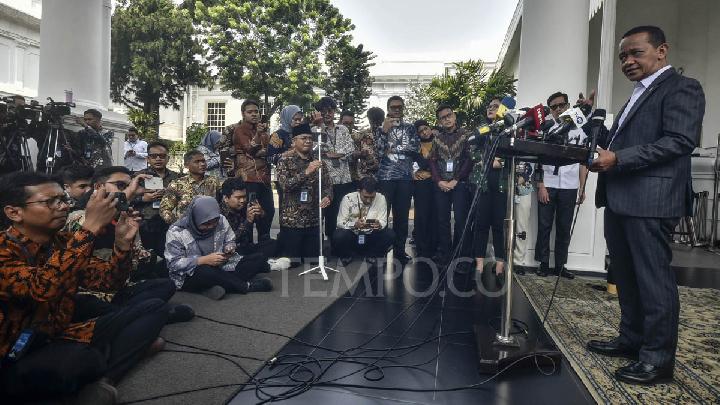
On the same day, Minister of Energy and Mineral Resources Bahlil Lahadalia announced the success of negotiations that led to the new LNG pricing. The minister explained that the reduced rate was achieved through collaborative efforts involving government agencies, LNG producers, and the state-owned gas utility PT Perusahaan Gas Negara (PGN). “We have secured the industrial LNG price at US$13 per MMBTU,” Bahlil stated during a press conference at the parliamentary complex in Jakarta. This adjustment is particularly vital for industries in western Java, which have been heavily impacted by rising energy costs.
“Everyone takes a hit; the government has cut its portion on the upstream side, and we have instructed the downstream players to reduce their overheads too,” Bahlil said. “We also trimmed Pertamina’s margin—so adjustments were made across the board by the KKKS, the government, and PGN.”
The new price is a marked contrast to the previous high of around US$23 per MMBTU, which had placed considerable strain on manufacturers. Bahlil attributed the earlier spike to declining gas production from oil and gas blocks in West Java, which forced a shift in sourcing to regions such as Papua, Sulawesi, and Kalimantan. These areas, while rich in resources, required extensive transportation and regasification processes, contributing to the elevated costs. “Why was the LNG price so high? Because it came from regions requiring heavy transport infrastructure, had to be regasified, and was then distributed through pipelines; that is where the auxiliary costs accumulated,” he explained.
Bahlil confirmed that the reduced pricing will take effect immediately, offering immediate relief to industrial operators. The minister highlighted the government’s proactive approach in renegotiating supply chain margins, from upstream Cooperation Contract Contractors (KKKS) to downstream PGN distribution networks. “This rate represents a significant milestone in securing industrial sustainability,” he said, noting the broader economic implications of the policy.
Broader Implications for the Economy
The ceramic industry’s response to the LNG price cut underscores its role as a critical component of Indonesia’s manufacturing sector. With ceramics being a staple in both domestic and international markets, the cost savings could have a ripple effect across related industries, including construction and home furnishings. Edy pointed out that the policy not only addresses immediate concerns but also sets a precedent for other energy-intensive sectors. “This initiative demonstrates the government’s commitment to supporting industries that drive national output,” he remarked.
Moreover, the policy is seen as a strategic move to counteract the competitive threat posed by imported goods, especially from China and India. These countries have long been major players in the global ceramic market, and the price cut is expected to bolster local producers’ ability to compete on price. ASAKI’s advocacy for restoring the HGBT allocation to its prior level of 70–80 percent adds another layer to the industry’s demands, emphasizing the need for long-term support. “Reinstating HGBT at higher levels will ensure sustained competitiveness,” Edy argued, calling for continued government intervention to maintain market stability.
The government’s decision has already sparked discussions among industry stakeholders about the potential for expanded production and investment. Analysts suggest that the lower energy costs could incentivize manufacturers to increase output, further solidifying Indonesia’s position in the global ceramic trade. Meanwhile, the public and private sectors are monitoring the policy’s effectiveness, with many anticipating a positive impact on both employment and economic growth. As the 2025–2029 period unfolds, the ceramic industry may serve as a barometer for the broader effects of the government’s energy reforms.
For now, the focus remains on the immediate benefits of the price reduction. Industry leaders and policymakers are collaborating to assess how the new pricing structure aligns with production targets and market demands. With the supply chain adjustments already underway, the goal is to create a more resilient and adaptive industrial environment. As Bahlil noted, the reduced LNG rate is a result of meticulous planning and cooperation, ensuring that the benefits reach the end-users. “This is a win for the industry and the economy as a whole,” he concluded, signaling a hopeful outlook for the future of Indonesia’s manufacturing sector.
Read: Indonesia Cuts Industrial LNG Price to US$13 per MMBTU Click here to get the latest news updates from Tempo on Google News