
Police Kitchens in the Prosecutors’ Crosshairs
Police Kitchens in the Prosecutors Crosshairs -
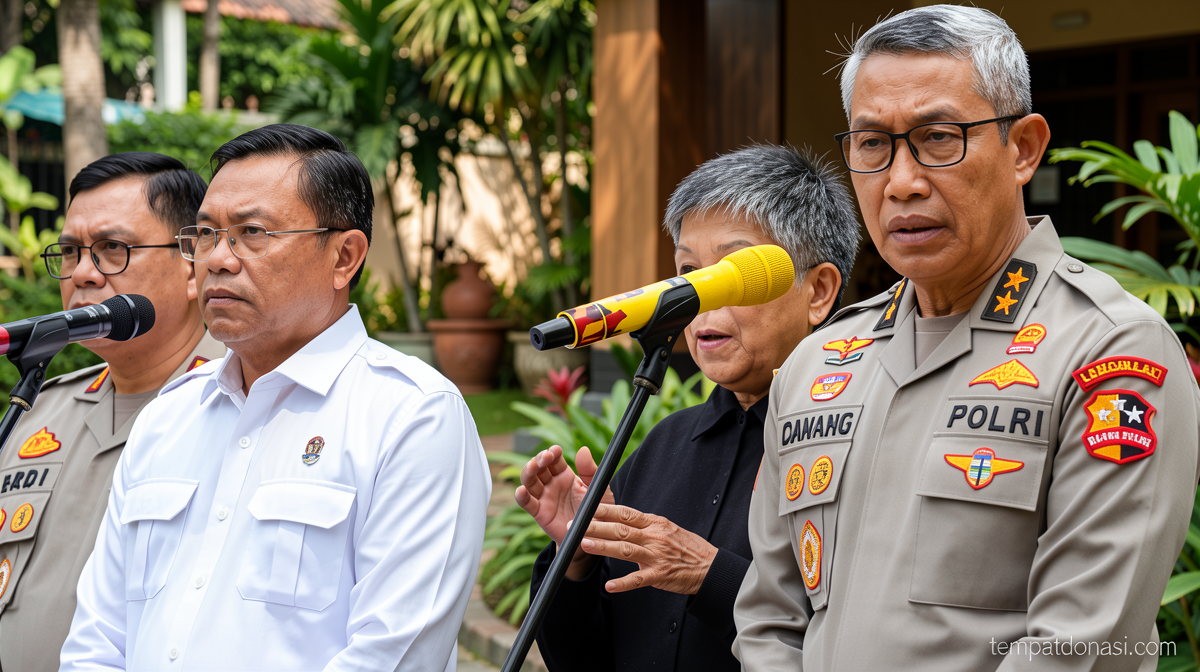
Central Java Police Issue Guidelines as Prosecutors Target Kitchen Operations
Internal Memo Addresses Prosecutor Questioning Procedures
Tempatdonasi.com – An internal directive containing ten specific instructions for officers within the Central Java Police force was circulated on Wednesday, July 8, 2026. This unsigned communication reached personnel through WhatsApp, having been distributed by the Chief of the Internal Security Subdivision, which operates under the Professional Standards and Security Division. The primary purpose of this circular was to establish clear protocols for how police members should conduct themselves when summoned for questioning related to a significant corruption investigation.
The investigation, currently being managed by the Attorney General’s Office (AGO), centers on allegations involving the National Nutrition Agency (BGN). According to the directives, any police personnel who receive a summons from prosecutors must ensure they are accompanied by either legal representatives or institutional officials during the questioning process. Furthermore, the memo specifies that if questioning cannot be avoided, it must occur exclusively at the respective district police headquarters where the officer is stationed, rather than at other locations that might be less formal or more exposed to public scrutiny.
Official Confirmation and Clarification of Policies
Sr. Comr. Artanto, who serves as the Chief of the Public Relations Division at the Central Java Police, has officially confirmed that this circular exists and is being followed. However, he took care to address and deny certain reports suggesting that the National Police had issued a blanket prohibition preventing its members from being questioned by prosecutors. Artanto clarified that such questioning remains entirely permissible, provided that all established procedures are properly observed and followed throughout the process.
“We respect the ongoing legal process. If any of our personnel are questioned or asked to provide information, they must still be accompanied,” he said.
This clarification is particularly important given the sensitive nature of the investigation and the potential for misinterpretation of police cooperation with prosecutorial authorities. The statement emphasizes that compliance with legal procedures does not diminish the institutional standing of police officers, nor does it suggest any wrongdoing on their part.
Background of the Corruption Investigation
The directive was circulated following a period of intensified investigative activity by the AGO, which began in early June 2026. During this time, prosecutors expanded their scrutiny beyond the initial allegations of corruption within the free nutritious meal program, known in Indonesian as MBG. This government initiative aims to provide nutritional support to communities, and the alleged corruption involves various aspects of its implementation and financial management.
Simultaneously, prosecutors initiated investigations into separate but related allegations concerning the sale of service locations designated for Nutrition Fulfillment Service Units, commonly referred to as SPPG. These units play a crucial role in ensuring that nutritional services reach their intended beneficiaries effectively. The investigation has identified several kitchens that fall under this system, and some of these establishments are reportedly affiliated with National Police personnel, which has drawn particular attention from investigators.
Implications for Police Operations
The timing and content of the circular reflect the Central Java Police’s proactive approach to managing potential challenges arising from the investigation. By establishing clear guidelines for officer conduct during questioning, the police administration aims to ensure consistency in how personnel respond to prosecutorial inquiries while maintaining institutional integrity. The requirement for accompaniment by legal or institutional representatives serves multiple purposes: it provides officers with professional support, ensures proper documentation of proceedings, and reinforces the formal nature of the questioning process.
As the investigation continues to develop, the Central Java Police and other relevant institutions will likely need to navigate increasingly complex questions regarding accountability, transparency, and the proper handling of evidence and testimony. The directives issued on July 8, 2026, represent an important step in this ongoing process, providing a framework that balances cooperation with legal authorities while protecting the interests of police personnel and the institution they serve.