Pope Leo Calls on Europe to Do More for Migrants
Calls on Europe to Do More for Migrants Pope Leo Calls on Europe to Do - During a recent visit to Lampedusa, Italy, Pope Leo made a compelling case for
Pope Leo Calls on Europe to Do More for Migrants
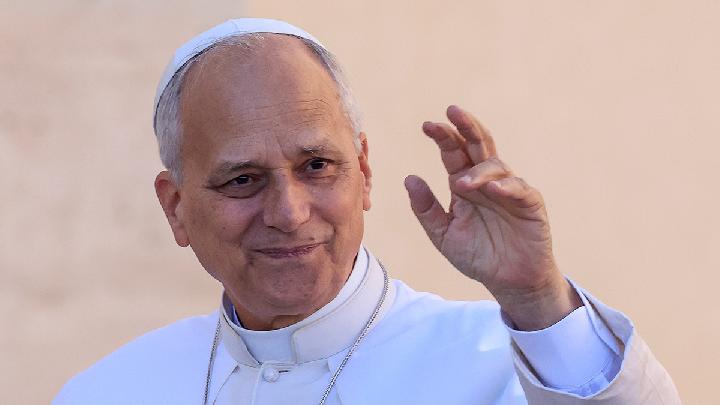
Tempatdonasi.com – During a recent visit to Lampedusa, Italy, Pope Leo made a compelling case for Europe’s role in supporting migrant communities. The island, a critical entry point for thousands of individuals crossing the Mediterranean from Africa, became the backdrop for his impassioned plea to European leaders. Speaking to a gathering of followers, the head of the Catholic Church emphasized the need for a unified approach to addressing the ongoing migration crisis. “Europe is able to tackle this challenge in a comprehensive way, blending immediate aid with long-term strategies to receive, protect, support, and integrate migrants,” he stated, underscoring the importance of sustained commitment to the issue.
Lampedusa, a small but strategically vital island in the Mediterranean, has long been a symbol of both hope and peril for those seeking refuge in Europe. The Pope’s visit included a poignant moment at a migrant cemetery, where he offered prayers for those who had perished in the perilous journey. He also met with migrants at the island’s port, where they shared stories of their struggles, and celebrated mass with local residents. His remarks highlighted the stark reality of the migration phenomenon, noting that from this remote corner of Europe, the crisis appears in its most concentrated form. “The challenges posed by migration are more visible here, but they reflect a broader issue affecting European societies as a whole,” he added, stressing the urgency of collective action.
The Pope’s call for greater integration aligns with his broader vision of a compassionate and inclusive Europe. He argued that addressing the crisis requires not only immediate relief but also a long-term strategy that ensures migrants are treated with dignity. “By integrating support for developing nations, Europe can create conditions where fewer people feel compelled to leave their homes in search of safety,” he explained. This approach, he suggested, would alleviate pressure on European borders while fostering global solidarity. The United Nations Refugee Agency confirmed that over 14,000 migrants reached Italian shores in the first half of the year, with the majority departing from Libya. Nearly 60% of these individuals arrived in Lampedusa, underscoring its significance as a primary gateway for the region’s migration flows.
Leo’s message to Europe also included an appeal to local communities for their continued generosity. He specifically acknowledged the fishing and tourism sectors, which have played a vital role in supporting migrants on the island. “The solidarity shown by these groups has been essential in helping those in need,” he remarked. This recognition highlights the grassroots efforts that complement institutional responses to the crisis. However, the Pope stressed that such support must be part of a larger, coordinated effort involving governments and international organizations alike.
Separately, the Pope marked the 250th anniversary of the United States’ independence with a focused appeal to Americans. In a letter to his homeland, he linked the nation’s founding to its legacy of welcoming immigrants. “The United States has always been a beacon for those seeking freedom, and this tradition continues to shape its identity,” he wrote. The Catholic Church’s values, he noted, include the protection of life, which extends to “welcoming, protecting, and assisting immigrants.” This principle, he argued, is not merely an act of charity but a recognition of the inherent dignity of every person.
During a video address to the National Constitution Center in Philadelphia, the Pope reflected on the role of successive waves of immigrants in building the American nation. “The word ‘America’ is synonymous with freedom, not just because of its political ideals, but because of its capacity to embrace newcomers,” he said. This historical perspective framed his current appeal, urging Americans to uphold the same spirit of inclusion that defined the country’s origins. The message resonated with a nation grappling with debates over immigration policy, from border security to the integration of refugees.
The Pope’s dual focus on Europe and the United States reveals a strategic effort to connect migration challenges with the broader theme of human dignity. By addressing both regions, he emphasized that the crisis is not confined to one continent but is a global issue requiring unified solutions. “Migration is a testament to the human desire for better opportunities, and it calls for a response that reflects both empathy and foresight,” he asserted. His words echoed the growing concern among religious and political leaders about the need to balance national interests with humanitarian obligations.
As the migration crisis intensifies, the Pope’s intervention underscores the Catholic Church’s role in shaping global discourse on the matter. His visit to Lampedusa, in particular, served as a powerful reminder of the human cost of the journey and the responsibility of European nations to provide refuge. “The Mediterranean is a bridge between cultures, and it is our duty to ensure that those crossing it are met with compassion,” he said. This sentiment was reinforced by his emphasis on long-term planning, which he described as essential for creating a sustainable and just system for migrants.
In addition to his appeals, the Pope highlighted the importance of international cooperation in addressing the root causes of migration. He called for investments in developing countries to reduce poverty and conflict, which often drive people to leave their homes. “By supporting these nations, we can create a world where migration is a choice, not a necessity,” he argued. This perspective aligns with his vision of a more equitable global order, where the movement of people is guided by shared values rather than desperation.
Leo’s statements also drew attention to the symbolic significance of Lampedusa as a microcosm of the broader European experience. “From this isolated island, the challenges of migration become clear—yet they are emblematic of the struggles faced by all of Europe,” he noted. The island’s role as a key port has placed it at the center of global debates, and the Pope’s visit added a spiritual dimension to these discussions. His presence there was a reminder that migration is not just a political or economic issue but a moral one, requiring the participation of all sectors of society.
Readers of the article were left with a vivid image of Pope Leo’s mission: to bridge the gap between the challenges of migration and the values of compassion, unity, and justice. His words, delivered from the shores of Lampedusa, served as both a critique and a call to action for Europe and the world. “The journey of migrants is a journey of hope, and it is our responsibility to ensure that hope is not lost along the way,” he concluded. This message, combined with his appeal to the United States, positions the Pope as a key advocate for a global migration policy rooted in humanity and solidarity.
For more updates on this and other news, visit Tempo on Google News.
Pope’s Advocacy for Global Solidarity
The Pope’s emphasis on solidarity extends beyond Europe and the United States. In his letter to developing countries, he called for a global partnership to address the root causes of migration. “By investing in education, healthcare, and economic development, we can empower people to remain in their homelands and reduce the pressure on receiving nations,” he wrote. This approach, he argued, would foster mutual respect and cooperation, ensuring that migration is seen as a shared responsibility rather than a burden on any single region.
Leo’s message also touched on the historical and cultural significance of migration. He noted that the movement of people has always been a part of human history, from ancient times to the modern era. “Migrants have shaped civilizations for centuries, bringing new ideas, traditions, and strength to societies they join,” he said. This historical perspective serves as a reminder that migration is not just a challenge but an opportunity for growth and renewal.
As the Pope continued his efforts to highlight the importance of migration, his words resonated with a growing movement of voices advocating for change. Religious leaders, activists, and policymakers alike have joined him in calling for more inclusive policies and greater support for migrants. “The dignity of every human person must be upheld, regardless of their origin or destination,” he reiterated, reinforcing the Catholic Church’s commitment to this cause.
Leo’s advocacy also included a call for stronger international agreements to protect the rights of migrants. “A coordinated system of legal pathways and humanitarian aid can transform migration from a crisis into a chance for people to build better lives,” he proposed. This vision, while ambitious, offers a roadmap for nations seeking to balance their domestic needs with global responsibilities. The Pope’s message was a timely reminder that the future of migration depends on the actions taken today.
As the world watches the migration crisis unfold, the Pope’s words provide a moral compass for those seeking solutions. His focus on Europe and the United States highlights the interconnected nature of global challenges, urging leaders to look beyond their borders and consider the broader implications of their policies. “The journey of migrants is a reflection of our shared humanity, and it is our duty to respond with unity and purpose,” he declared, leaving a lasting impression on those who heard his message.