Purbaya Says Indonesia’s Economic Indicators Continue to Strengthen
Purbaya Says Indonesia's Economic Indicators Continue to Strengthen Purbaya Says Indonesia s Economic Indicators - On June 20, 2026, Indonesia’s Finance
Purbaya Says Indonesia’s Economic Indicators Continue to Strengthen
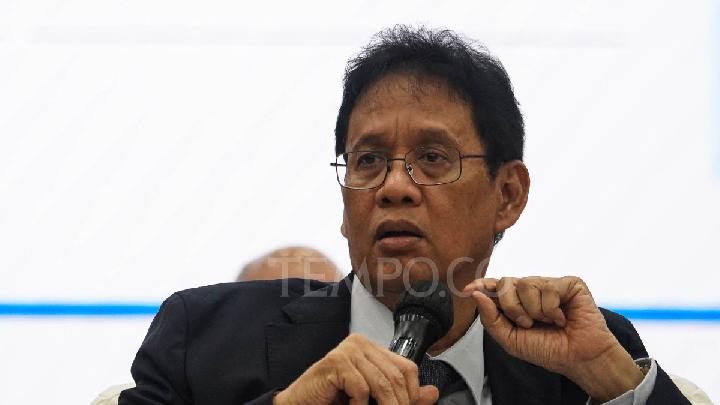
Tempatdonasi.com – On June 20, 2026, Indonesia’s Finance Minister, Purbaya Yudhi Sadewa, emphasized that the nation’s economic performance remains on an upward trajectory, driven by consistent improvements in critical metrics. Speaking at a scientific lecture held at Nankai University in Tianjin, China, Purbaya highlighted the role of these indicators in demonstrating broader economic resilience and inclusive development. His remarks underscored a positive outlook for Indonesia’s financial health and its ability to sustain growth despite global economic challenges.
Robust Growth Metrics Reflect Economic Vitality
According to Purbaya, Indonesia’s economic expansion is evident in several key figures. The Manufaktur Purchasing Managers Index (PMI), a crucial gauge of industrial activity, has maintained an expansive level of 50.0, signaling stability in production and demand. This figure, which indicates a balance between growth and contraction, is particularly significant as it suggests the manufacturing sector is neither overburdened nor underperforming. Additionally, the country’s liquidity, measured by M0, has grown by 14.8 percent annually, while banking credit expansion reached 11.5 percent, both signs of increased economic activity.
“Most crucially, this robust economic growth translates directly into an improvement in the real welfare of the wider community through the improvement of the labor market,” Purbaya said in an official statement.
The minister’s comments reflect a strategic emphasis on translating macroeconomic strength into tangible benefits for the public. He noted that the labor market has seen notable improvements, with the creation of approximately 1.9 million new jobs contributing to a reduction in the open unemployment rate to 4.68 percent by 2026. These developments have also played a role in lowering the national poverty rate, which dropped from 8.57 percent in September 2024 to 8.25 percent in September 2025, indicating progress in addressing socioeconomic disparities.
External Position and Financial Reserves
Purbaya further explained that Indonesia’s external economic position has been fortified by a persistent trade balance surplus. This surplus, which has endured for 72 consecutive months, highlights the country’s competitive export performance and controlled import levels. Combined with foreign exchange reserves totaling US$144.9 billion, equivalent to 5.6 months of import and government debt obligations, these factors provide a buffer against external shocks and bolster investor confidence.
The minister’s remarks also touched on the role of international economic diplomacy in supporting these outcomes. He noted that efforts to enhance trade relationships and attract foreign investment have been instrumental in maintaining the country’s financial stability. This includes strategic initiatives to diversify export markets and reduce reliance on volatile global supply chains, ensuring long-term economic sustainability.
Government Priorities and Structural Transformation
To solidify these gains, the Indonesian government has implemented eight clusters of national priority programs, each designed to channel development strategies into concrete results. These clusters focus on sectors such as food sovereignty, energy and water independence, education, health, and infrastructure development. By prioritizing these areas, the government aims to address foundational challenges while fostering long-term productivity and resilience.
Additionally, Purbaya outlined the government’s commitment to accelerating structural transformation through downstream and industrialization programs. These initiatives seek to shift the economy from traditional sectors toward higher-value industries, creating opportunities for technological advancement and employment. The emphasis on rural development and poverty alleviation, via integrated job creation and social assistance programs, further reinforces the government’s inclusive approach to growth.
Supporting these efforts, the defense and security sector has seen significant strengthening, with investments aimed at safeguarding national interests and promoting economic stability. Law enforcement agencies have also been enhanced to ensure regulatory compliance and protect business environments. Governance reforms and digitalization initiatives have complemented these measures, streamlining public services and improving transparency.
Pathways to Sustainable Development
Indonesia’s economic trajectory, as outlined by Purbaya, illustrates a multi-faceted approach to growth. By maintaining a trade surplus and managing foreign exchange reserves effectively, the country has positioned itself to withstand external pressures. At the same time, domestic policies have focused on improving living standards through job creation and poverty reduction, ensuring that economic progress is shared across all segments of society.
The minister’s vision aligns with the goal of achieving inclusive and sustainable development. This requires not only strong macroeconomic indicators but also a commitment to social welfare and long-term planning. The integration of digital technologies into key sectors, for instance, is expected to drive efficiency and innovation, further enhancing the economy’s competitiveness. Meanwhile, investments in infrastructure and disaster resilience are aimed at creating a robust foundation for future growth.
Purbaya’s remarks also addressed the importance of public-private partnerships in sustaining economic momentum. By fostering collaboration between the government and private sector, Indonesia can leverage additional resources and expertise to achieve its development objectives. This includes expanding access to credit, supporting small and medium enterprises, and promoting investment in strategic industries.
Looking ahead, the minister stressed that Indonesia’s economic success is not a static achievement but a dynamic process. Continuous monitoring of indicators, coupled with adaptive policy measures, will be essential to maintain this trajectory. He called for sustained focus on education and healthcare, noting that human capital development is a cornerstone of future prosperity.
Broader Implications for Global Standing
As Indonesia’s economic performance improves, its global standing is also expected to rise. The country’s ability to balance growth with stability has positioned it as a regional leader in economic management. This is particularly relevant in the context of emerging markets, where Indonesia’s consistent performance offers a model for other nations seeking to achieve similar outcomes.
Purbaya concluded that the current economic indicators are not just reflective of past achievements but also predictive of future opportunities. With a resilient labor market, reduced poverty rates, and a growing trade surplus, Indonesia is well-placed to continue its path of inclusive development. The minister’s emphasis on long-term planning and structural reforms underscores the government’s dedication to fostering a sustainable and equitable economic future.
Indonesia’s economic growth, as highlighted by Purbaya, is a testament to the effectiveness of its policy framework. By addressing both macroeconomic and social challenges, the country has demonstrated its capacity to thrive in an increasingly complex global environment. These efforts, supported by robust financial reserves and strategic investments, are expected to create a ripple effect across various sectors, ultimately enhancing the standard of living for millions of Indonesians.
Read: Indonesia’s US$1 Billion Panda Bonds Plan: What to Know Click here to get the latest news updates from Tempo on Google News