Renewed US-Iran War Would Hit Persian Gulf Countries Hard
Persian Gulf Nations Face Heightened Risks as US-Iran Hostilities Resurface Renewed US Iran War Would Hit Persian - For the second time recently, nations
Persian Gulf Nations Face Heightened Risks as US-Iran Hostilities Resurface
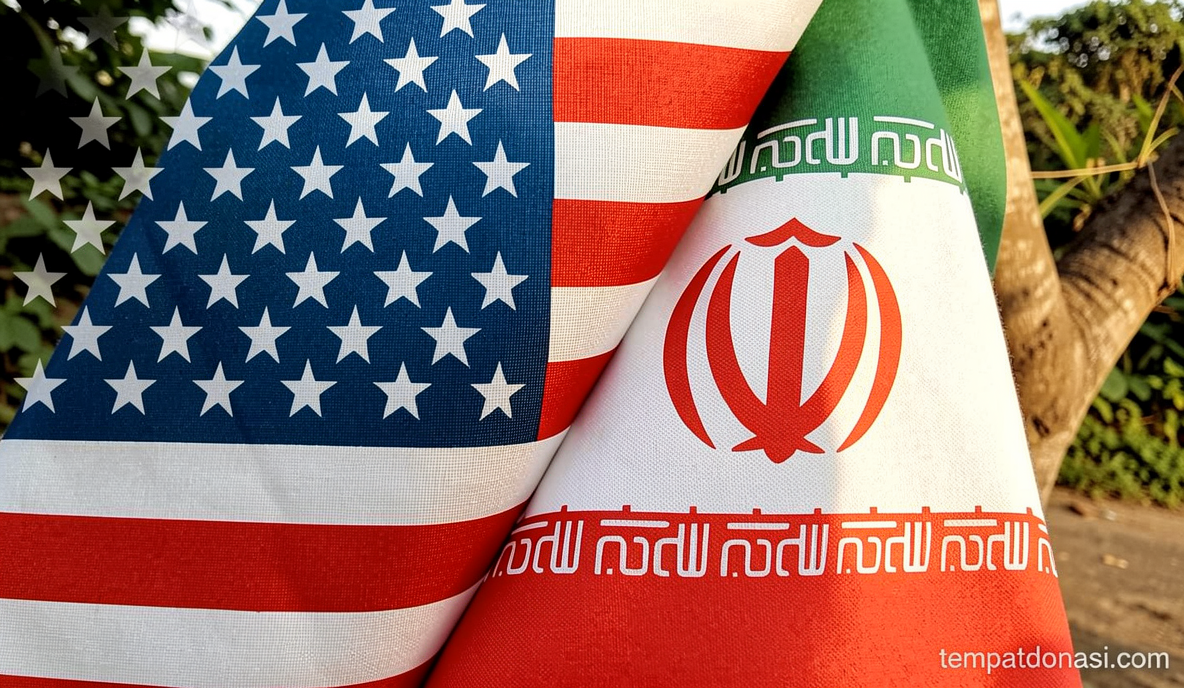
Tempatdonasi.com – For the second time recently, nations bordering the Persian Gulf have emerged as potential battlegrounds amid escalating tensions between Washington and Tehran. During Wednesday’s NATO gathering in Ankara, American President Donald Trump announced that the temporary agreement designed to halt hostilities with Iran had effectively collapsed. Simultaneously, Iran’s chief negotiator, Mohammad Bagher Ghalibaf, pointed to significant breaches of the understanding that both nations had established during mid-June.
Following these declarations, American forces conducted overnight aerial bombardments against Iranian locations. In retaliation, Tehran launched attacks against approximately 85 American military installations spread across Bahrain and Kuwait. Despite these direct confrontations, every Persian Gulf state possesses substantial stakes in preventing further escalation.
Bahrain: A Vulnerable Monarchy Under Pressure
Bahrain hosts one of the most significant American naval facilities in the region. Recent Iranian operations struck the island nation directly. Because Bahrain ranks among the smallest Gulf territories, American military positions sit nearer to populated neighborhoods and business districts compared to neighboring states. Consequently, even modest military exchanges can severely disrupt daily civilian activities.
The kingdom occupies a complicated political landscape. While sharing monarchical governance with other Gulf neighbors and suppressing political opposition, Bahrain differs in its religious composition. The ruling family follows Sunni Islam, whereas estimates indicate that most citizens belong to the Shiite faith. Given that Iran operates as a Shiite theocracy, sustained conflict between Washington and Tehran could intensify domestic divisions.
Reports indicate that Bahraini authorities have detained hundreds of individuals suspected of publishing anti-war statements online, showing support for Iran, joining protests, or functioning as Iranian agents.
Kuwait: From Mediator to Target
Kuwait accommodates the highest concentration of American military infrastructure throughout the Middle East. The nation hosts two air bases alongside roughly 13,500 service members and civilian contractors. This substantial presence has transformed Kuwait into a primary target for Iranian retaliation.
Historically, Kuwait maintained a restrained foreign policy approach, frequently positioning itself as a neutral intermediary and resisting entanglement in regional disputes. The traumatic experience of Iraq’s 1990 invasion heavily influenced this cautious posture, making Kuwait less interventionist than its neighbors. Nevertheless, Iranian attacks targeting American installations within Kuwait are likely to shift this traditional stance. International observers have documented how Kuwaiti officials have grown increasingly vocal in condemning Iranian strikes.
Saudi Arabia: Balancing Diplomacy and Defense
Although Iranian leaders have warned that any nation hosting American forces remains vulnerable, Saudi Arabia has escaped direct attacks during this week’s renewed hostilities. The kingdom contains a major American air force installation.
After years competing with Iran for regional dominance, Saudi Arabia has emphasized that diplomatic solutions must prevail for Gulf stability. The kingdom prefers concentrating on economic development through its Vision 2030 initiative rather than engaging in unwanted military conflict.
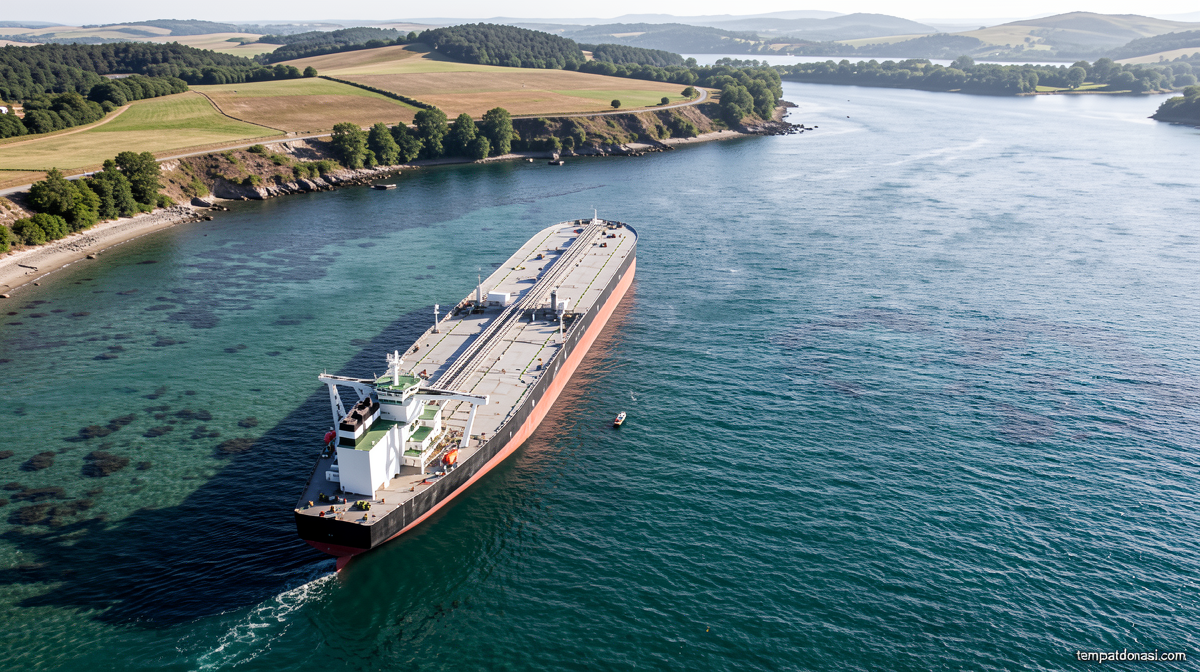
Experts note that Riyadh prioritizes containing the dispute and safeguarding vital petroleum infrastructure. When Iran obstructed the Strait of Hormuz, Saudi Arabia redirected portions of its crucial oil shipments through an alternative pipeline linking to the Red Sea, preserving its primary income stream.
Saudi officials have attempted to navigate the crisis carefully, maintaining communication channels with both American and Iranian counterparts. At one point, the kingdom temporarily restricted American use of its airspace for bombing operations against Iran, though subsequent reports indicated that Saudi forces also conducted their own undisclosed strikes on Iranian targets.
United Arab Emirates and Qatar: Economic Hubs at Risk
The United Arab Emirates maintains an important American air base and has previously experienced Iranian strikes, though none occurred during this week’s escalation. Continued Middle Eastern conflict threatens to undermine the international standing of Abu Dhabi and Dubai as premier financial and commercial centers—a reputation critical to the UAE’s economic diversification beyond oil dependence.
Like Saudi Arabia, the UAE has utilized an inland pipeline to redirect oil exports away from the Strait of Hormuz, though extended hostilities could compromise this alternative route.
Qatar hosts Al Udeid, the largest American military facility in the Middle East. Despite maintaining relatively strong relations with Iran, including shared ownership of a substantial natural gas field, Qatar has avoided direct attacks this week. However, an earlier Iranian assault on a Qatari vessel at sea helped trigger the current crisis.