
Ruling Party in Ethiopia Secures 90% of Seats in Parliament
Ruling Party in Ethiopia Secures 90% of Seats in Parliament Ruling Party in Ethiopia Secures 90 - Following the announcement of June 1 legislative election
Ruling Party in Ethiopia Secures 90% of Seats in Parliament
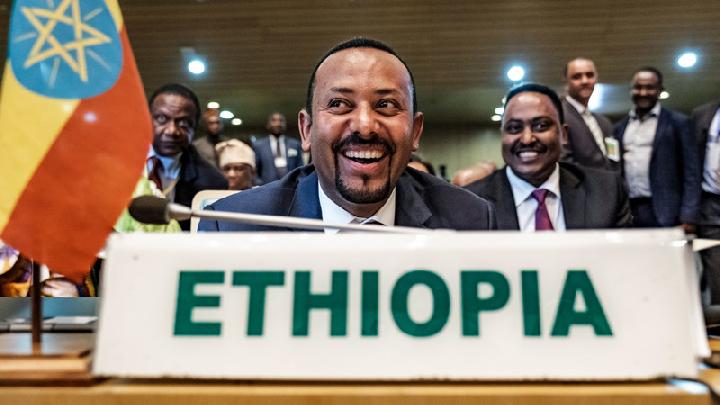
Tempatdonasi.com – Following the announcement of June 1 legislative election results by Ethiopia’s National Elections Board (NEBE), the ruling Prosperity Party has emerged victorious with a commanding majority. The board reported that the party secured 438 out of 486 seats in the House of Peoples’ Representatives, marking a significant political shift. Melatwork Hailu, NEBE’s chairperson, confirmed the outcome, emphasizing the party’s dominance in the electoral process.
Despite disruptions in several regions, the election proceeded as planned. Voting was suspended in parts of Tigray, Amhara, and Oromia, where ongoing conflicts have created instability. However, the results still reflect a strong mandate for the Prosperity Party, which has been in power since 2018. The outcome is expected to grant Prime Minister Abiy Ahmed another five-year term, as the legislature will elect the next leader.
Political Landscape and Opposition Challenges
The June 1 elections saw over 40 political parties contesting seats, but most faced logistical and financial hurdles. The Prosperity Party, led by Abiy Ahmed, maintained its hold on power by securing victories in 64 constituencies without opposition. In contrast, rival parties, such as Ezema, fielded 293 candidates compared to the Prosperity Party’s 461, highlighting the disparity in resources and influence.
The NEBE stated that the ruling party’s triumph accounted for approximately 90% of the contested seats, underscoring its overwhelming support. Analysts suggest that the lack of competition in many areas, combined with the party’s organizational strength, contributed to its landslide success. This dominance has raised questions about the electoral process and the ability of smaller parties to challenge the ruling coalition effectively.
“I hope they use the coming five years to really bring what the majority of the country really needs and deserves, which is peace and security,” analyst Bizuneh Yimenu remarked to DW, reflecting on the potential implications of the results.
Election Disruptions in Key Regions
One of the most contentious aspects of the election was the suspension of voting in Tigray, Amhara, and Oromia regions. These areas, which have been embroiled in ethnic nationalist insurgencies, saw limited participation due to security concerns. The NEBE acknowledged the disruptions but maintained that the election process remained valid.
The Tigray region, for instance, was the epicenter of a 2020-2022 armed conflict between the Tigray People’s Liberation Front (TPLF) and the Ethiopian army. This conflict, which displaced hundreds of thousands of people, likely deterred voters in the area. Similarly, clashes in Amhara between federal forces and Amhara nationalist militias known as the Fano have continued to affect the region’s stability. Oromia, meanwhile, remains a stronghold for the Oromo Liberation Army (OLA), which has been active in challenging government control.
The electoral process in these regions was further complicated by the presence of rebel groups and the logistical challenges of conducting voting under such conditions. While some constituencies in Tigray, Amhara, and Oromia were unable to participate, the results from other areas still provided the ruling party with a clear majority. This has led to debates about the fairness of the election and the impact of regional conflicts on democratic processes.
Broader Implications for Ethiopia
The election results signal a continuation of the Prosperity Party’s political trajectory, which has prioritized economic reforms and regional reconciliation. However, critics argue that the party’s dominance may reinforce existing power structures, potentially marginalizing opposition voices. The 90% majority could also influence the legislative agenda, with Abiy Ahmed likely pushing forward with his policies on infrastructure development and regional integration.
For the broader population, the election outcome may be seen as both a triumph and a challenge. While supporters celebrate the party’s ability to unite the country behind a common vision, others worry about the unresolved tensions that have plagued Ethiopia for years. The NEBE’s statement that the party’s victory covers nearly all contested seats suggests that the political landscape is becoming increasingly consolidated, with the ruling party’s influence extending across the nation.
Analysts like Bizuneh Yimenu have highlighted the need for the new term to focus on addressing the root causes of unrest, including ethnic grievances and economic disparities. “Peace and security are the most urgent priorities,” he noted, urging the government to leverage its majority to implement inclusive policies that bridge the divides between regions and communities.
As Ethiopia moves into a new political cycle, the election results will shape its future trajectory. The ruling party’s control of the parliament may enable it to pass legislation that strengthens central authority, while also providing a platform to address the conflicts that have disrupted the voting process. The upcoming five years will be critical in determining whether the Prosperity Party can deliver on its promises or deepen the challenges it has inherited.
Meanwhile, the election has reinforced Ethiopia’s strategic partnerships, including its growing ties with Indonesia. Recent trade and investment agreements between the two nations highlight the country’s efforts to secure economic stability amid domestic challenges. These developments underscore Ethiopia’s dual focus on internal governance and international collaboration as it navigates the complexities of its political landscape.
Read more about Indonesia and Ethiopia’s strategic ties in the related article. For real-time updates on this story and others, follow Tempo on Google News. The election outcome is a pivotal moment in Ethiopia’s history, setting the stage for a new chapter in its journey toward political and economic transformation.