
Seven Indonesian SOE Logistics Firms Officially Merge into One Entity
Seven Indonesian SOE Logistics Firms Officially Merge into One Entity Government-backed consolidation aims to streamline national logistics operations Seven
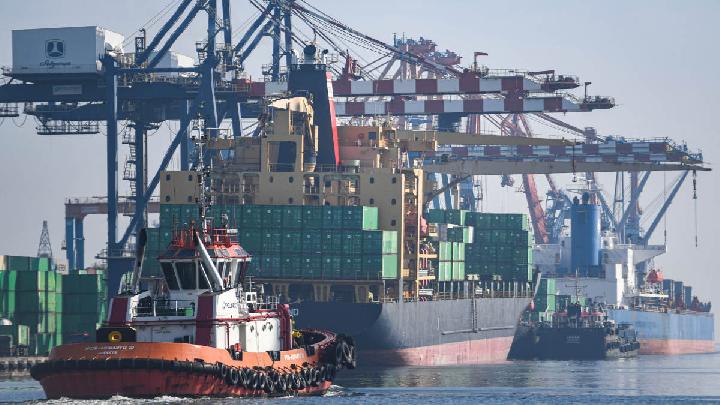
Seven Indonesian SOE Logistics Firms Officially Merge into One Entity
Government-backed consolidation aims to streamline national logistics operations
Tempatdonasi.com – On Tuesday, seven Indonesian state-owned enterprises (SOEs) operating within the logistics industry officially consolidated into a single entity through the execution of a Shareholder Agreement (SHA) and a Deed of Consolidation Merger in Jakarta. This landmark move marks a significant step toward creating a more unified and efficient logistics framework for the country. The consolidation, led by the PMO Steering Committee, was facilitated by Danantara Asset Management, which has been spearheading broader efforts to integrate key sectors of Indonesia’s economy.
The merger will create a new operational structure, with PT Multi Terminal Indonesia serving as the consolidating entity. According to Daud Joseph, the chair of the Steering Committee, the chosen company will act as the central platform for the seven firms during the transition phase. The consolidation process is expected to merge the companies’ resources, expertise, and infrastructure, ultimately forming a robust logistics network capable of handling diverse operations across the archipelago.
The participating logistics firms include PT Multi Terminal Indonesia, Pelindo Sinergi Lokaseva Multiterminal Indonesia, Pelindo Sinergi Lokaseva Prima Indonesia Logistik, Pos Logistics, Pelni Logistics, PT Kawasan Berikat Nusantara (KBN), PT Varia Usaha Dharma Segara (VUDS), and Krakatau Integrated Logistics. These entities, which have traditionally operated as separate units, will now function under a shared governance model. Daud Joseph emphasized that the transition will involve a comprehensive integration process, covering operational, legal, financial, and governance aspects, before the final merger is completed.
“PT Multiterminal Indonesia will serve as the surviving entity, acting as the platform for the integration of these seven companies,” Daud explained.
The integration phase is set to take time, with Daud Joseph noting that the companies will first undergo a period of alignment and coordination. This includes harmonizing their systems, processes, and strategies to ensure seamless collaboration. During this stage, the firms will also work on consolidating their supply chains, improving resource allocation, and optimizing service delivery. The goal is to establish a single entity that can efficiently manage all aspects of logistics, from transportation and warehousing to distribution and customer service.
Daud Joseph highlighted that the merger is not merely a structural change but a strategic initiative to enhance the overall efficiency of Indonesia’s logistics sector. “This is the first step in a broader national consolidation effort,” he stated. “Danantara Asset Management aims to create a unified logistics ecosystem that can meet the growing demands of both domestic and international trade.” The new entity is expected to streamline operations, reduce redundancies, and improve responsiveness to market needs.
Government officials have praised the merger for its alignment with national development goals. The consolidation is seen as a critical component of the administration’s efforts to modernize infrastructure and enhance economic competitiveness. By integrating state-owned logistics firms, the government hopes to create a stronger, more resilient network that can support Indonesia’s aspiration to become a regional logistics hub. Daud Joseph reiterated this vision, stating, “This aligns with the government’s vision and mission to improve the effectiveness and efficiency of logistics processes in this country.”
“From the SOE’s perspective, Danantara wants these seven companies to merge, and this has begun today,” Daud added.
The merger is also expected to foster greater synergy among the firms. Daud Joseph pointed out that the combined entity will have the capacity to offer a wide range of logistics services, including port operations, freight transportation, and supply chain management. This will allow the new organization to address the diverse needs of businesses and consumers across the nation. The efficiency gains from a single entity are anticipated to reduce operational costs, improve service quality, and create a more competitive logistics sector.
Industry experts have welcomed the consolidation as a bold step toward modernizing Indonesia’s logistics infrastructure. The logistics sector plays a vital role in the country’s economic growth, with freight and transport accounting for a significant portion of trade and commerce. By unifying the SOEs, the government aims to create a more agile and scalable system that can adapt to the challenges of a rapidly evolving market. Daud Joseph emphasized that the integration will not only benefit the firms involved but also the broader economy, enabling more efficient movement of goods and resources.
“The benefit we all hope for as a nation is that a consolidated logistics company can have all the necessary features, allowing a single entity to carry out various logistics functions,” Daud said.
One of the key advantages of the merger, according to Daud Joseph, is the potential for cost reduction and pricing optimization. “With multiple companies operating independently, there are often overlapping costs and inefficiencies,” he explained. “By combining resources, the new entity can achieve more competitive pricing and improved service delivery, which will ultimately benefit consumers and businesses alike.” This efficiency is expected to reduce logistics costs, lower delivery times, and enhance the competitiveness of Indonesian exports.
The initiative also reflects a shift toward more private-sector involvement in managing state-owned enterprises. Danantara Asset Management, a private investment company, has been entrusted with overseeing the consolidation of logistics firms, marking a departure from traditional state-run models. Daud Joseph, who also serves as the president director of PT Pos Indonesia, stressed that the merger is part of a long-term strategy to create a sustainable and efficient logistics sector. “This is a long-term vision to ensure that the logistics industry in Indonesia can meet future challenges while supporting national economic growth,” he stated.
The merger comes at a time when Indonesia is actively seeking to improve its logistics performance to support its economic ambitions. With the country’s trade volume increasing, the need for a cohesive and efficient logistics network has never been more urgent. Daud Joseph noted that the integration process will require careful planning and execution, with the focus on ensuring that all stakeholders are aligned and that the transition is smooth. “The integration will involve multiple stages, including the merging of operational systems, legal frameworks, and financial structures,” he said.
Industry analysts believe the consolidation could set a precedent for future mergers in other sectors. The success of this logistics merger may encourage similar efforts in transportation, energy, and telecommunications, further strengthening Indonesia’s economic infrastructure. Daud Joseph also mentioned that the new entity will be equipped to address regional disparities in logistics services, ensuring that all parts of the country benefit from improved connectivity and efficiency.
As the integration process begins, there is optimism about the potential impact on the logistics sector. The creation of a unified entity is expected to enhance Indonesia’s ability to compete globally, with streamlined operations and better coordination. Daud Joseph concluded, “The efficiency we aim to achieve through this merger will position Indonesia as a more attractive destination for investment and trade.”
The government’s support for the initiative underscores its commitment to modernizing key industries. By consolidating state-owned logistics firms, the administration hopes to create a more dynamic and responsive sector that can adapt to the demands of a digital economy. The merger is also seen as a way to improve transparency and accountability in the logistics industry, ensuring that public resources are used effectively. As the consolidation progresses, stakeholders will closely monitor its outcomes, with the expectation that it will serve as a model for future national-level reforms.
Related developments in the sector include ongoing efforts to finalize regulations for the IDX Demutualization process, which is expected to be completed within three months by the OJK. These measures are part of a broader strategy to enhance the efficiency and transparency of Indonesia’s financial markets, further supporting the country’s economic growth and development.