Spain Records 40C Amid Intensifying Heat Wave
mid Intensifying Heat Wave Spain Records 40C Amid Intensifying Heat - As the summer season intensifies, Spain is grappling with a severe heatwave that has
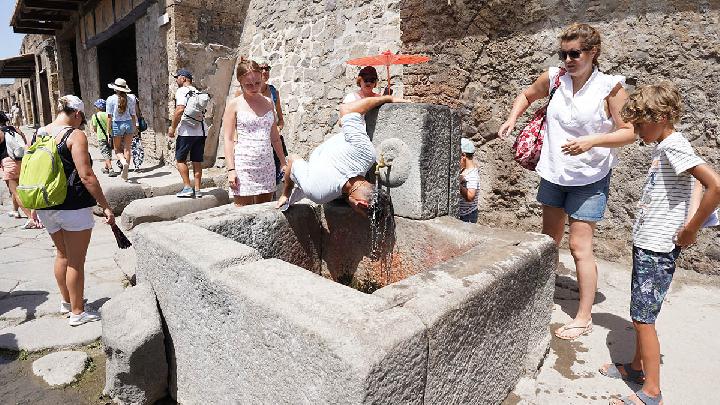
Spain Records 40C Amid Intensifying Heat Wave
Tempatdonasi.com – As the summer season intensifies, Spain is grappling with a severe heatwave that has pushed temperatures to record-breaking levels. Meteorologists from the Spanish weather service, AEMET, have issued urgent alerts, forecasting that Tuesday, June 23, could surpass previous June records in heat intensity. The extreme conditions are attributed to a persistent heat dome that has engulfed large parts of the country, leading to unprecedented rises in temperatures across regions such as Andalusia, the Basque Country, and Cantabria.
Heatwave Reaches Critical Thresholds
According to ANTARA, the highest alert status has been activated in areas of Andalusia, the Basque Region, and Cantabria, where forecasters predict temperatures could climb as high as 44 degrees Celsius. This marks a significant escalation in the severity of the heatwave, which has already begun to disrupt normal weather patterns and test the resilience of infrastructure and public health systems.
The widespread impact of the heatwave extends beyond these regions. AEMET reported that approximately 17 of Spain’s 50 provincial capitals are expected to register temperatures exceeding 40 degrees Celsius. Such conditions are not only extreme for the current month but also pose challenges for urban areas, where heat retention in buildings makes nighttime cooling difficult. The phenomenon of tropical nights—where temperatures remain above 20 degrees Celsius into the early hours—has become more frequent, contributing to prolonged discomfort and increased energy demand for cooling.
Heat Dome and Saharan Air Masses
The current heatwave is fueled by a combination of atmospheric factors. AEMET highlighted that a high-pressure system over mainland Europe has created a stagnant air mass, while a low-pressure system to the west of the Iberian Peninsula has allowed extremely hot and dry air from the Sahara Desert to flow northward. This influx of Saharan air has amplified the heat, creating a feedback loop that sustains elevated temperatures for multiple days.
The heat dome, a large area of high pressure, acts like a lid over the region, trapping warm air and preventing it from escaping. This has led to a concentration of heat in Spain, particularly in the southeastern areas, where nighttime temperatures have remained consistently above 30 degrees Celsius for three consecutive days. Such prolonged heat is unusual for June on the Iberian Peninsula, raising concerns about the long-term implications of climate patterns.
Expert Analysis on Climate Change
RTVE meteorologist Marc Santandreu noted that Tuesday could become the hottest day ever recorded in June, potentially rivaling overall historical temperature records. The heatwave, which began on Sunday, has already set several new benchmarks, underscoring the increasing frequency and intensity of extreme weather events.
“Tuesday could become the hottest day ever recorded in June and come close to becoming the hottest day on record overall,” said RTVE meteorologist Marc Santandreu.
Santandreu’s remarks align with findings from the Climate Shift Index, which indicates that climate change has made this extreme heatwave at least five times more probable than it would have been without global warming. The synergy between natural weather patterns and the effects of climate change has created a perfect storm of conditions, resulting in dangerously high temperatures that are expected to persist through the midweek.
Regional and International Impacts
While Spain is at the center of the crisis, the effects of the heatwave are not confined to its borders. Several European nations have also experienced similar conditions, prompting them to issue their maximum heat alerts. Countries like France, Italy, Switzerland, Luxembourg, the Netherlands, and the United Kingdom have joined Spain in confronting the intensifying heat, with reports of heat-related illnesses and infrastructure strain.
Palma de Mallorca, a coastal city in the Balearic Islands, has become a focal point of the heatwave’s impact. The city recorded its hottest June night in its historical records, a stark reminder of the changing climate and the challenges faced by even regions typically shielded from extreme temperatures. This data supports the broader trend of rising temperatures, which is reshaping weather patterns across Europe.
Long-Term Climate Implications
The heatwave serves as a harbinger of more frequent and severe climatic events. AEMET emphasized that the prolonged presence of high temperatures, especially during the night, is a rare occurrence for June, signaling a shift in the region’s climate norms. This anomaly is expected to become more common as global temperatures continue to rise, placing additional pressure on communities to adapt to increasingly hostile environmental conditions.
Experts warn that the combination of natural climatic variations and human-driven climate change is accelerating the frequency of such heat events. The continued trapping of warm air by high-pressure systems, coupled with the southward movement of Saharan air masses, is creating a scenario where heatwaves are not only more intense but also longer in duration. This has significant implications for agriculture, public health, and energy consumption, as Spain and its neighbors brace for a new era of extreme weather.
Preparedness and Response Measures
Authorities across Spain are implementing emergency measures to mitigate the risks associated with the heatwave. These include opening public cooling centers, urging residents to stay hydrated, and monitoring vulnerable populations such as the elderly and those with pre-existing health conditions. Additionally, transport and utility sectors are working to manage the strain on systems, particularly in urban areas where the heat has created a persistent demand for air conditioning.
The situation also highlights the importance of international collaboration in addressing climate-related challenges. As the heatwave spreads across Europe, neighboring countries are coordinating efforts to share resources and information, ensuring a unified response to the crisis. This underscores the interconnectedness of climate patterns and the need for collective action to combat their effects.
With the heatwave showing no signs of abating, the focus now shifts to monitoring its trajectory and preparing for its potential consequences. The unprecedented temperatures in Spain serve as a warning of what may be to come, both for the region and for the broader European climate landscape. As the world watches, the question remains: how long will these extreme conditions continue, and what steps must be taken to ensure resilience in the face of a warming planet?