
Strawberry Moon 2026 to Light Up Skies as Year’s Final Micromoon
Strawberry Moon 2026 to Light Up Skies as Year's Final Micromoon Astronomical Event Overview Strawberry Moon 2026 to Light Up Skies - The Strawberry Moon
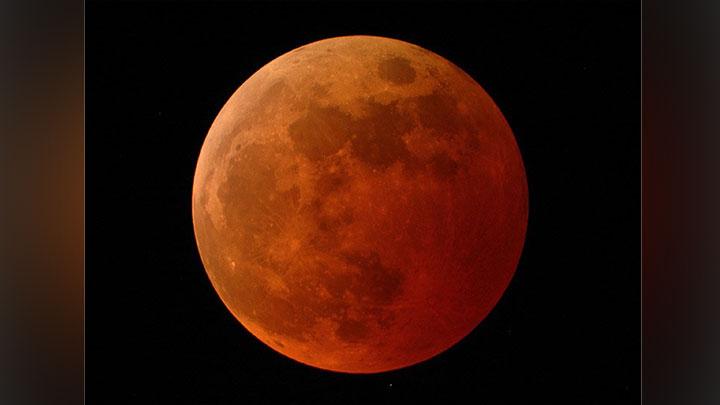
Strawberry Moon 2026 to Light Up Skies as Year’s Final Micromoon
Astronomical Event Overview
Tempatdonasi.com – The Strawberry Moon, marking the first full moon of the Northern Hemisphere’s summer, will grace the night skies on June 29, 2026. This celestial occurrence also serves as the concluding micromoon of the year, appearing smaller and dimmer than typical full moons. Its peak illumination is scheduled for 7:56 p.m. Eastern Time (2356 GMT), though observers can appreciate its beauty on both June 29 and 30 nights due to the extended period of visibility around its maximum brightness.
According to Earth.com, this will be the seventh full moon of 2026, occurring shortly after the June solstice. Unlike a supermoon, which is closer to Earth and appears larger, the Strawberry Moon coincides with the moon’s farthest point from our planet in its elliptical orbit. This results in a noticeable reduction in its apparent size and brightness compared to average full moons. The moon’s low position above the horizon in the Northern Hemisphere during this event adds to its unique visual appeal.
The Origin of the Name
The name “Strawberry Moon” does not refer to the moon’s actual color. Instead, it traces its roots to Native American tribes, particularly the Algonquian people, who used the term to denote the brief period when wild strawberries ripened in June. Other Indigenous communities recognized this full moon with different names, such as the Blooming Moon, Berries Ripen Moon, or Birth Moon. In European traditions, it was sometimes called the Honey Moon or Mead Moon, reflecting the honey harvest season.
“The Strawberry Moon is not named for its color but for the seasonal association with strawberries,” explains Earth.com. “This tradition highlights the cultural significance of lunar events in marking natural cycles.”
Astronomical Significance
A full moon occurs when Earth aligns between the sun and the moon, casting the moon’s fully illuminated face toward us. This cycle repeats roughly every 29.5 days. However, the June full moon stands out due to its unique positioning. It follows the same low arc as the winter sun, making it appear closer to the horizon than any other full moon in 2026. This low altitude creates the well-known Moon illusion, where the moon appears larger near the ground, even though its actual size remains unchanged.
The Moon illusion is a phenomenon that has intrigued astronomers for centuries. While the exact cause is debated, it is believed to relate to how the brain perceives objects against the landscape. Additionally, the extended path of the moon through Earth’s atmosphere during moonrise may cause it to take on a golden or slightly orange hue, enhancing its visual impact for those who view it.
Visibility and Weather Conditions
As noted by BBC Weather, the Strawberry Moon will be visible across much of Europe. However, weather patterns may influence viewing opportunities, particularly in the United Kingdom. After a recent heatwave, cooler Atlantic air is expected to bring clouds and rain to certain regions, potentially limiting clear skies on June 29. The clearest conditions are forecast for southern England, Wales, and the Midlands, while Scotland, Northern Ireland, and northern England may experience thicker cloud cover and showers.
Despite these weather challenges, the event remains accessible to many. Observers in the UK are advised to check local forecasts and plan to view the moon from an open area with an unobstructed eastern horizon. The optimal time for observation is approximately 20 minutes before moonrise, allowing for the best viewing experience without the need for telescopic equipment.
Companions in the Night Sky
On the night of June 29, the Strawberry Moon will not be alone in the sky. It will share the celestial stage with several other objects. Those gazing toward the southeast may spot the moon positioned near the constellation Sagittarius, close to the heart of the Milky Way. Bright star Antares, part of the Scorpius constellation, will also be visible in the vicinity, adding to the visual spectacle.
In the evening, planet enthusiasts might notice Venus glowing brightly in the western sky shortly after sunset. It will be accompanied by Jupiter and the fainter Mercury, creating a striking trio. As the night progresses, Saturn and Mars will rise in the eastern sky before dawn on June 30, offering additional opportunities for stargazers to appreciate the cosmic display.
Future Celestial Events
Following the Strawberry Moon, skywatchers can anticipate two more full moons during the meteorological summer: the Buck Moon on July 29 and the Sturgeon Moon on August 28. These events will provide further chances to observe the moon’s changing phases, each with its own cultural and astronomical importance.
The Strawberry Moon’s appearance underscores the dynamic nature of our night sky. While its dimmer light may not match the brilliance of a supermoon, its unique position and historical significance make it a memorable event. As the final micromoon of 2026, it serves as a reminder of the delicate balance of celestial mechanics that shapes our view of the cosmos.
For those planning to witness this event, preparation is key. Clear skies and minimal light pollution will enhance the viewing experience. Observers are encouraged to find a spot with an open view of the horizon, especially in the east, to catch the moon as it rises. With the naked eye, the Strawberry Moon offers a stunning reminder of the natural world’s rhythms and the beauty of the universe.
The Strawberry Moon’s occurrence also highlights the interplay between astronomy and cultural traditions. While its scientific explanation lies in Earth’s orbital mechanics, its name and the associated folklore reflect humanity’s long-standing relationship with the stars. This duality makes the event not only a scientific phenomenon but also a cultural milestone.
As the moon reaches its peak brightness on June 29, it invites reflection on the cycles of nature and the heavens. Whether through the lens of science or the richness of cultural heritage, the Strawberry Moon stands as a unique celestial event, offering a moment to pause and appreciate the wonders of the night sky.