Thousands of Gazans Suffer Hearing Loss from Ongoing Conflict
Thousands of Gazans Suffer Hearing Loss from Ongoing Conflict Thousands of Gazans Suffer Hearing Loss - On June 27, 2026, the United Nations (UN) released a
Thousands of Gazans Suffer Hearing Loss from Ongoing Conflict
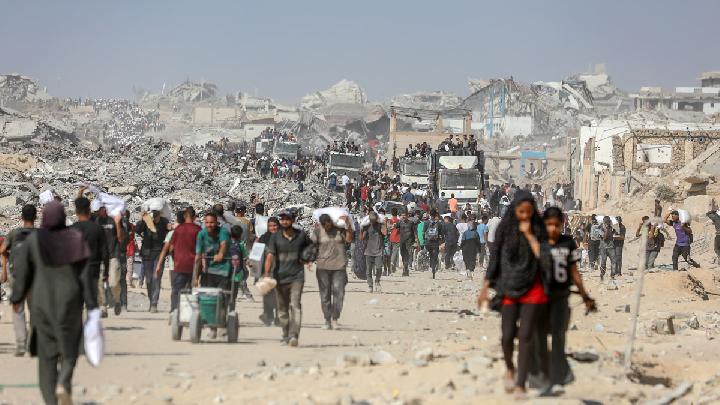
Tempatdonasi.com – On June 27, 2026, the United Nations (UN) released a report revealing that tens of thousands of Palestinians in the Gaza Strip have suffered hearing impairment due to the relentless Israeli military operations since October 2023. This development coincided with the International Day of the Blind and Deaf-Blindness, underscoring the growing humanitarian toll on vulnerable populations. The findings highlight a critical issue: the conflict’s persistent nature has not only caused physical destruction but also intensified the challenges faced by individuals living with disabilities.
Disability Crisis Deepens Amid War
The UN report emphasized that the prolonged conflict has significantly worsened the lives of people with disabilities in Gaza. Many have lost essential assistive devices, such as wheelchairs and hearing aids, which are crucial for their independence and safety. This loss has made it increasingly difficult for them to manage daily tasks, escape danger, or access critical resources. The report further noted that individuals with disabilities are disproportionately affected during active conflicts, as their ability to respond to emergencies is often compromised.
“The ongoing conflict has created an environment where people with disabilities face heightened risks, including the inability to hear evacuation alerts or navigate without assistance.”
For example, some individuals with hearing impairments are unable to detect urgent warnings, such as air raid sirens or calls for shelter. Others, particularly those with visual disabilities, struggle to identify safe paths amidst the chaos of airstrikes and rubble. The report stressed that these challenges are compounded by the lack of accessible infrastructure and the destruction of public services tailored to their needs.
Humanitarian Conditions Deteriorate
The UN also highlighted the worsening humanitarian crisis in the Gaza Strip, where over 90% of the population continues to experience frequent displacement. This instability has led to a profound sense of insecurity, with limited access to clean water, sanitation, and basic healthcare. For people with disabilities, these conditions are particularly perilous, as emergency shelters and temporary housing often lack adequate facilities to accommodate their specific requirements.
Overcrowded shelters, damaged buildings, and temporary facilities have become common in the region. These spaces are frequently insufficient to meet the needs of displaced civilians, especially those with mobility or sensory impairments. The absence of proper ramps, tactile guidance systems, and hearing assistance technology in shelters has left many disabled individuals stranded, unable to move freely or communicate effectively with rescuers.
Global Attention Needed for Vulnerable Groups
During the report’s release, the UN reiterated its call for global awareness and support for the most vulnerable groups in the conflict. Women, children, the elderly, and people with disabilities remain at the forefront of the crisis, with their needs often overshadowed by the broader focus on military casualties. The organization emphasized that the conflict’s impact extends beyond immediate physical harm, affecting long-term health, education, and economic opportunities for these communities.
One key concern is the destruction of medical facilities and the disruption of healthcare services. Many disabled individuals rely on specialized care, such as auditory therapy or mobility support, which has become increasingly difficult to access. The report also pointed out that the lack of consistent power supply and internet connectivity has hindered the operation of assistive technologies, such as hearing aids and communication devices, further isolating affected populations.
Broader Implications of the Conflict
The hearing loss crisis in Gaza is part of a larger pattern of systemic neglect toward disabled individuals during wartime. According to the UN, people with disabilities are often excluded from decision-making processes, leaving them without adequate representation in the allocation of resources. This exclusion has led to a cycle of vulnerability, where their needs are not prioritized despite their heightened exposure to conflict-related injuries and trauma.
Additionally, the psychological impact of the conflict has been severe. Constant exposure to loud explosions, the trauma of displacement, and the loss of personal belongings have contributed to long-term stress and anxiety. For those with hearing impairments, this has resulted in both physical and emotional distress, as they struggle to adapt to a constantly changing environment. The report called for urgent measures to address these issues, including the distribution of new hearing aids, the repair of public infrastructure, and the establishment of dedicated support networks.
International Response and Future Outlook
While the UN has raised concerns about the situation in Gaza, the international community’s response has been mixed. Some countries have pledged aid, while others have continued to support military operations. The report urged nations to focus on the long-term recovery of disabled individuals, ensuring that they are not left behind in the rebuilding efforts. It also called for increased collaboration between humanitarian agencies and local organizations to provide tailored assistance to those in need.
Experts warn that without immediate intervention, the hearing loss and other disabilities caused by the conflict could have lasting effects on the population. Children, in particular, are at risk of developmental delays due to the lack of access to education and medical care. The UN noted that the situation in Gaza is a stark reminder of how warfare can disproportionately harm marginalized groups, creating a ripple effect on the entire community. As the conflict continues, the need for inclusive policies and resources has never been more urgent.
Readers interested in related developments may also explore the UK’s initiative to establish a Russell Group university campus in Jakarta, which aims to enhance educational opportunities in Southeast Asia. For the latest updates on the Tempo news outlet, visitors can subscribe to Google News to stay informed about ongoing events in Gaza and beyond.