UK, Germany, France Back Direct Ukraine, Russia Dialogue
France Back Direct Ukraine, Russia Dialogue UK Germany France Back Direct Ukraine - As the Russian invasion of Ukraine enters its fifth year, international
UK, Germany, France Back Direct Ukraine, Russia Dialogue
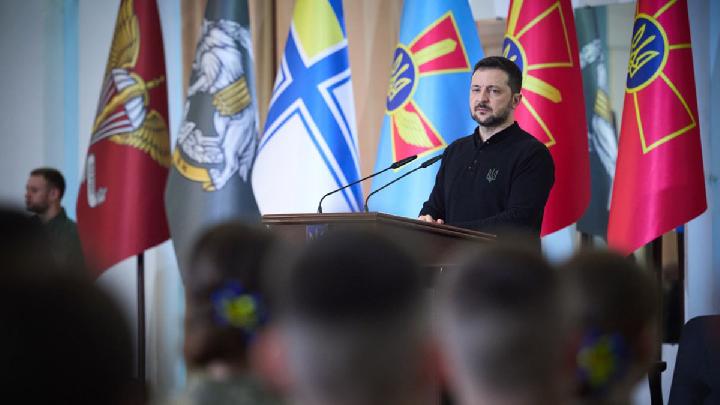
Tempatdonasi.com – As the Russian invasion of Ukraine enters its fifth year, international efforts to broker peace have gained momentum. British Prime Minister Keir Starmer, alongside German Chancellor Friedrich Merz and French President Emmanuel Macron, convened with Ukrainian President Volodymyr Zelenskyy and other European allies to discuss continued support for Kyiv. The meeting, held at Downing Street, marked a pivotal moment in the ongoing conflict, with the trio—collectively known as the E3—playing a central role in shaping the alliance’s strategy for resolving the war.
Proposing a Direct Dialogue
The E3 leaders emphasized their commitment to facilitating a direct conversation between Zelenskyy and Russian President Vladimir Putin. This initiative aims to leverage diplomatic channels to secure a ceasefire, with the participation of the United States and European nations. In a joint statement, the group highlighted their endorsement of the proposal, citing Zelenskyy’s call for an end to the war through negotiations as outlined in a letter he sent to Putin last week.
“Leaders commended President Zelenskyy’s call for an end to the war, negotiated by diplomatic means, as set out in his letter to the president,”
The letter, which Zelenskyy published on X, urged Putin to engage in face-to-face talks to address the conflict. However, the Russian leader dismissed the proposal as lacking sincerity. “I see no point in meeting Zelenskyy until a possible peace deal has been agreed,” Putin stated, reflecting his stance on the necessity of prior negotiations.
Ukraine’s Immediate Needs
During the discussions, Zelenskyy conveyed Kyiv’s urgent requirements to the UK’s Starmer. He highlighted the need for additional missiles to bolster air defense systems, emphasizing the importance of protecting critical infrastructure and preparing for the winter months. “I informed Keir about the need for additional missiles for air defense systems and the things that are important for protecting energy infrastructure and preparing for winter,” the Ukrainian leader noted in a social media post.
Starmer, Merz, and Macron reaffirmed Europe’s central role in any peace agreement, underscoring their solidarity with Ukraine. The UK and France also lead the “Coalition of the Willing,” an initiative offering security guarantees to Kyiv as part of the broader peace process. Germany, meanwhile, remains Ukraine’s strongest supporter in terms of resource allocation and political backing.
Russian Drone Attack on Nuclear Site
Before the meeting, a Russian drone strike targeted a nuclear fuel storage facility near the Chernobyl plant, raising concerns about the safety of Ukraine’s energy infrastructure. Ukrainian officials confirmed the attack, stating that the facility—located approximately 15 kilometers from the site of the 1986 nuclear disaster—suffered partial damage. The International Atomic Energy Agency (IAEA) reported that radiation levels at the location remained stable, though they planned to inspect the site to assess the impact.
While the attack did not involve spent fuel at the time, the incident underscores Russia’s strategy of using drones to strike critical installations. “Today, the Russians again struck the special territory around the Chornobyl Nuclear Power Plant,” Zelenskyy wrote on X, identifying the drone as a common “Shahed” model used in multiple attacks. Ukrainian Foreign Minister Andrii Sybiha echoed this sentiment, describing the strikes as part of a systematic effort to threaten nuclear safety.
“Russia’s nuclear blackmail and threats to nuclear safety are systemic, deliberate, and unacceptable,”
Earlier in February 2025, a Russian drone had hit a containment arch over the damaged Chernobyl reactor, an attack Moscow denied. Both sides have since accused each other of targeting the Zaporizhzhia Nuclear Power Plant, which is under Russian occupation in southeastern Ukraine. These incidents highlight the growing risks associated with the war’s escalation toward nuclear facilities.
Ukrainian Drone Strike Claims
On Monday, a Moscow-backed official reported a separate incident involving a Ukrainian drone attack. According to Sergey Aksyonov, the Crimean regional leader appointed by Russia, a drone strike on a passenger train killed one driver and injured another. The attack occurred on the Moscow-Simferopol route, with preliminary data indicating the damage to the locomotive.
While this event contrasts with the previous drone strikes targeting nuclear sites, it reflects the broader pattern of aerial warfare in the conflict. Zelenskyy’s government has not yet commented on the incident, but the attack further illustrates the challenges faced by Ukraine in defending its territory and infrastructure.
Strategic Implications and Next Steps
The E3’s proposed dialogue represents a shift in the diplomatic approach to the war, moving from sanctions and military support to direct negotiations. Analysts suggest that such talks could provide a platform for addressing the root causes of the conflict, particularly the issue of territorial control and the status of occupied regions. However, the success of these efforts hinges on Russia’s willingness to engage in good faith.
With the war persisting for five years, the international community faces mounting pressure to find a sustainable resolution. The E3’s involvement in coordinating with the US and European nations signals a unified front, though challenges remain in aligning all stakeholders. Zelenskyy’s appeal for dialogue, combined with the recent drone attacks, highlights the delicate balance between military action and diplomatic outreach.
As the conflict continues, the role of nuclear facilities in the war’s dynamics grows more critical. The IAEA’s inspection of the damaged site near Chernobyl is expected to provide clarity on the extent of the damage and the potential risks to the environment. Meanwhile, Kyiv’s focus on securing additional military resources underscores the ongoing demands of the war effort.
The E3 leaders’ commitment to peace talks may also influence domestic policies in their respective countries. With public opinion in Europe increasingly divided on the war’s continuation, the leaders’ support for diplomatic engagement could sway political debates and bolster international cooperation. As the frontlines remain active, the hope is that these efforts will lead to a breakthrough, easing the humanitarian and economic toll on Ukraine.