Venezuela Earthquake Death Toll Rises to 164
Venezuela Earthquake Death Toll Rises to 164 Venezuela Earthquake Death Toll Rises to 164 - The number of fatalities from a pair of severe earthquakes that
Venezuela Earthquake Death Toll Rises to 164
Tempatdonasi.com – The number of fatalities from a pair of severe earthquakes that hit Venezuela has climbed to 164, with over 970 individuals injured, according to Delcy Rodriguez, the country’s acting president, as relayed by local media sources. The tremors, which occurred late Wednesday, have led to extensive damage, prompting urgent response efforts across the northern Caribbean coast.
Initial Reports Highlight Severity
Rodriguez initially reported that 32 people had perished and more than 700 had been injured following the quakes, which registered magnitudes of 7.2 and 7.5. She emphasized that the casualty count was expected to increase, underscoring the potential for further loss of life in the days ahead. The two earthquakes struck within a short timeframe, causing structures to collapse and triggering a cascade of emergency alerts.
“The death toll is likely to rise as rescue operations continue,” Rodriguez stated, according to local media.
Authorities have been working tirelessly to locate survivors and provide medical aid to the injured. The epicenter of the disaster was near the northern coastline, a region known for its population density and vulnerability to seismic activity. Initial assessments revealed that entire neighborhoods were affected, with reports of damaged roads, power outages, and disrupted communication networks.
Historical Significance of the Quake
This earthquake ranks among the strongest to impact Venezuela in over a century, according to seismological experts. The double tremors, occurring in rapid succession, created a heightened sense of urgency. The region’s geological history shows that such powerful shocks are rare, making the current situation particularly alarming for residents and officials alike.
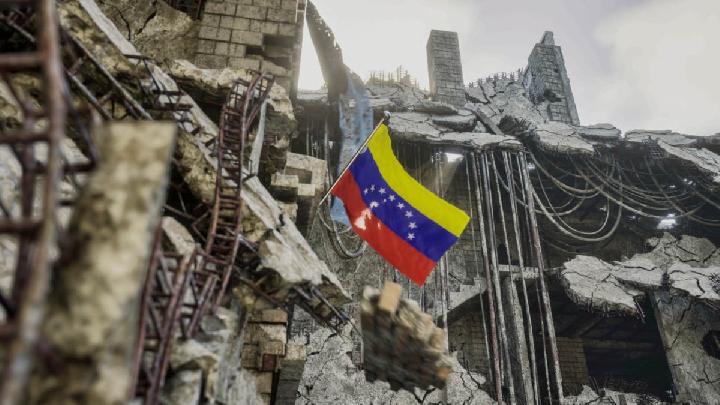
Local television station teleSur, citing Rodriguez’s remarks, noted that the focus of emergency teams is now on extracting individuals trapped in the rubble. The collapse of buildings and homes has left many in peril, with rescue workers using heavy machinery and manual labor to clear debris. The situation has also raised concerns about the stability of infrastructure in the affected areas.
USGS Predicts Worsening Scenario
Meanwhile, the U.S. Geological Survey (USGS) has issued a warning that the death toll could surge to between 10,000 and 100,000, with a 42 percent probability of such an outcome. This projection is based on the unprecedented scale of the disaster and its potential to trigger secondary effects, including landslides and liquefaction in coastal regions.
“The impact of these earthquakes could lead to significantly higher casualties, especially in areas with vulnerable infrastructure,” the USGS analysis indicated.
The La Guaira region, located near Caracas, has emerged as the hardest-hit area. This region is a key economic hub, and the destruction there has disrupted supply chains and daily life. Officials have called for additional resources to support the ongoing relief operations, including food, water, and medical supplies.
Community Response and Global Concern
Despite the chaos, local communities have shown remarkable resilience. Volunteers and residents have joined rescue teams, sharing resources and offering assistance to those in need. International aid organizations have also begun mobilizing, with neighboring countries expressing willingness to provide support. The disaster has sparked global attention, with reports from international news outlets highlighting the scale of the crisis.
Residents in the affected areas have described the earthquakes as a “nightmare,” with many recounting the fear and confusion that followed the shaking. Some areas experienced prolonged power outages, forcing people to rely on emergency lighting and generators. The tsunami warnings, though not confirmed, added to the panic, as coastal towns braced for potential flooding.
Continued Monitoring and Uncertainty
Seismologists are closely monitoring the situation, as the region remains at risk for aftershocks. The USGS has noted that northern Venezuela was subjected to a series of extraordinary double earthquakes, which have been linked to tectonic shifts along the Caribbean Plate. While the immediate impact has been significant, the long-term effects on the population and environment are still being evaluated.
Rodriguez’s declaration of a national emergency has facilitated the deployment of military and civilian teams to manage the crisis. This move has also enabled the allocation of emergency funds and resources to address the growing needs of the affected communities. The government has set up temporary shelters for displaced families, with efforts ongoing to ensure the safety of all residents.
As the situation evolves, the focus remains on minimizing further harm and providing aid to the survivors. The combination of strong seismic activity and the region’s existing vulnerabilities has created a challenging environment for recovery. Local media continue to update the public on the progress of rescue operations and the number of casualties, keeping the nation informed about the unfolding disaster.
Global Awareness and News Updates
The earthquake has drawn international media coverage, with reports from agencies such as ANTARA and teleSur offering real-time updates. The incident has also been highlighted on global news platforms, including Google News, where readers can access the latest developments. This increased visibility has the potential to mobilize further international support, though the immediate priority remains the safety and well-being of Venezuelans on the ground.
As the death toll rises and the number of injured grows, the resilience of the Venezuelan people is being tested. The combination of natural disaster and existing socio-economic challenges has underscored the need for coordinated efforts to rebuild and recover. The world watches closely as the country navigates this critical moment, with hope for a swift and effective response to the crisis.