What Causes Diesel Shortage in Sumatra?
Understanding the Root Causes Behind Sumatra's Diesel Supply Crisis What Causes Diesel Shortage in Sumatra - Indonesia's national oil and gas enterprise
Understanding the Root Causes Behind Sumatra’s Diesel Supply Crisis
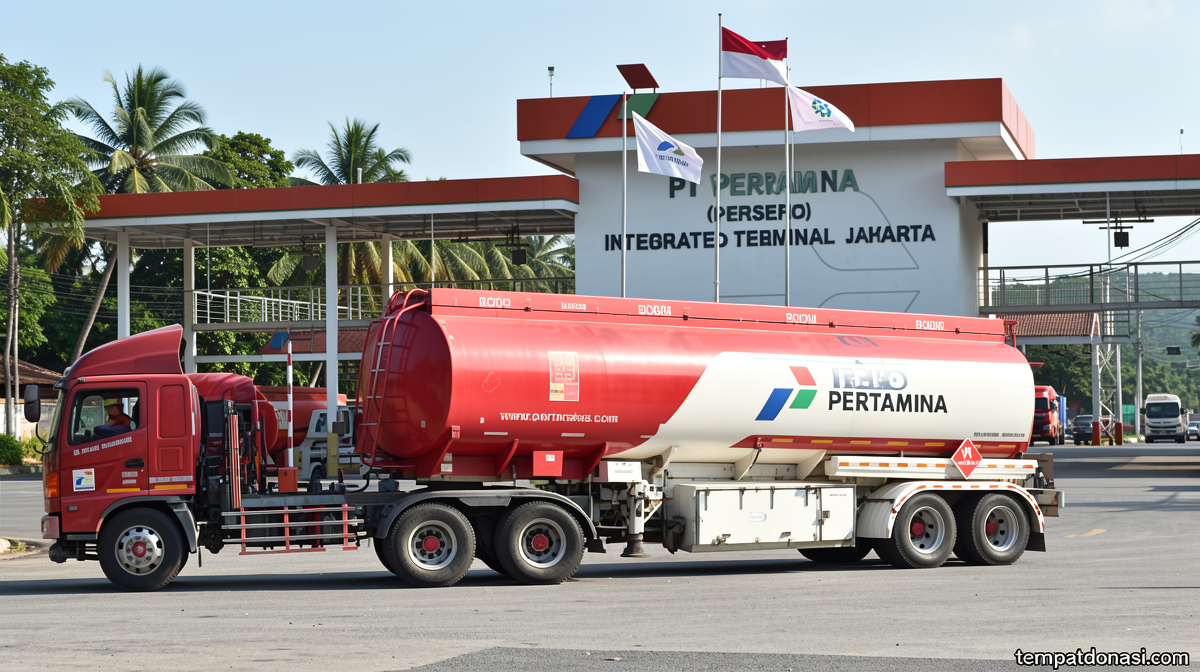
Tempatdonasi.com – Indonesia’s national oil and gas enterprise, Pertamina Patra Niaga, has identified potential misallocation as the primary culprit behind extended vehicle queues for subsidized diesel fuel across multiple regions. Despite this preliminary assessment, the corporation has yet to provide comprehensive details regarding the underlying reasons or outline specific interventions designed to prevent future occurrences of this supply disruption.
Roberth Dumatubun, serving as the Corporate Secretary for Pertamina Patra Niaga, communicated this perspective to Tempo journalists while addressing inquiries concerning the prolonged waiting lines observed throughout Sumatra. In a written statement released on Friday, July 10, 2026, he explained the situation clearly.
“The suspicion is that the distribution is misdirected,” said Roberth in a written message on Friday, July 10, 2026.
Previously, Tempo had submitted several questions to Roberth covering various aspects of the diesel shortage phenomenon. These inquiries addressed potential supply reductions at fuel stations, ongoing distribution evaluations, and proposed mitigation strategies. Unfortunately, none of these questions received direct responses from the corporate representative.
Geographic Spread and Transportation Impact
During the preceding month, numerous reports have emerged documenting subsidized diesel scarcity across different parts of Sumatra. This shortage has created substantial congestion at fuel stations, with buses and trucks forming lengthy queues. Consequently, intercity transportation services and logistical operations have experienced significant disruptions.
Kurnia Lesani Adnan, who holds the position of Secretary General within the Land Transportation Organization known as Organda, confirmed that daily reports of extended waiting times continue to arrive from multiple locations. These areas include Padang, Bukittinggi, Jambi, Medan, Palembang, and Lampung.
“The diesel shortage has actually been going on for a long time and has always recurred. However, the situation has worsened over the past month,” said Adnan.
According to Adnan’s observations, this problem extends beyond Sumatra’s boundaries. Several regions within Kalimantan and Sulawesi are now beginning to experience similar challenges. He attributes the expanded scope of the shortage partly to the introduction of the barcode system operated through the MyPertamina mobile application.
Systemic Issues and Supply Discrepancies
The current barcode-based system continues to generate various operational difficulties. These include inadequate supervision mechanisms, frequent instances of missing barcode quotas, unexplained blocking of barcodes, and delayed responses from central service centers. Additionally, there appears to be insufficient clear action against instances of barcode misuse.
Furthermore, Adnan revealed that information received from multiple gas station managers indicates discrepancies between ordered and delivered diesel volumes. One notable example involves a fuel station that requested 32 kiloliters of diesel but received only approximately 18 kiloliters, with no clear explanation regarding the delivery timeline.
Adnan also expressed suspicion that areas characterized by extensive mining and plantation operations experience more frequent shortages. He noted that distribution misdirection appears to be a contributing factor based on available indications.
We suspect that the distribution is misdirected. There are indications, he said.
Broader Industry Perspectives
Trismawan Sanjaya, Secretary General of the Indonesian Logistics and Forwarders Association (ALFI), supported Organda’s assessment. He emphasized that subsidized diesel shortages for cargo transportation have persisted for years, particularly affecting Kalimantan, Sulawesi, and various eastern Indonesian regions.
Trismawan identified multiple contributing factors to this ongoing crisis. These include alleged misuse of subsidized diesel driven by substantial price differences compared to non-subsidized alternatives, inadequate gas station infrastructure capable of serving logistical vehicles, and an inefficient distribution framework.
In Sumatra and Java, the development of industrial and commercial centers has led to an increased number of cargo transportation vehicles that require more fuel, said Trismawan.
The combination of these elements has created a complex situation requiring comprehensive evaluation and coordinated solutions from relevant stakeholders to restore normal fuel distribution patterns across affected regions.