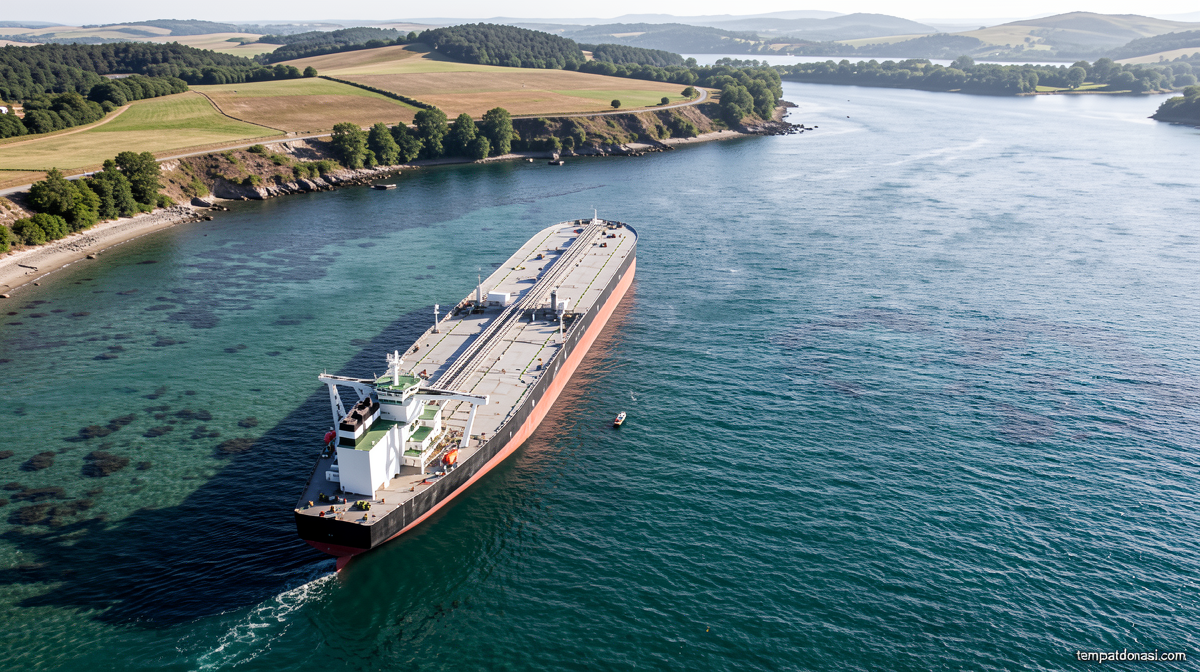
Which Indonesian Airports Are Launching Bioavtur Use?
Indonesia Selects Two Airports for Initial Bioavtur Deployment Which Indonesian Airports Are Launching Bioavtur - The Indonesian Ministry of Transportation
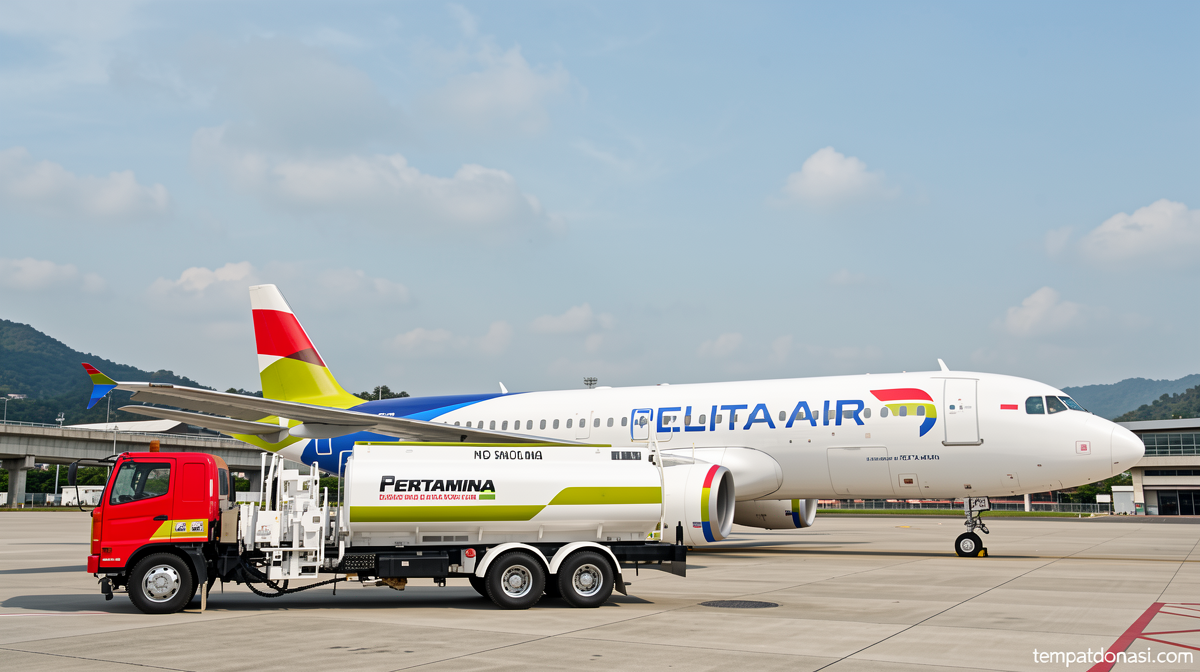
Indonesia Selects Two Airports for Initial Bioavtur Deployment
Tempatdonasi.com – The Indonesian Ministry of Transportation has revealed plans to introduce sustainable aviation fuel, commonly known as SAF, beginning with a one percent bioavtur mixture. This pioneering initiative will initially target international flights departing from two major hubs: Soekarno-Hatta Airport located in Banten province and I Gusti Ngurah Rai International Airport situated in Bali.
Timeline and Implementation Details
Sokhib Al Rokhman, serving as the Director of Airworthiness and Aircraft Operations within the ministry’s Civil Aviation Directorate General, provided clarification regarding the schedule. He explained that the official rollout of bioavtur usage is projected to commence in 2027. During a statement reported by Antara news agency on Monday, July 13, 2026, he emphasized that the program will be limited to just two airports at first, specifically those handling international routes.
The successful execution of this SAF blending program hinges largely on the availability of fuel supplies from PT Pertamina. Currently, the state-owned energy company is working to boost its production capabilities by upgrading several refineries across the archipelago. The ministry has decided to start conservatively with a one percent blend level. This measured approach ensures that operations remain safe, efficient, and fully aligned with global aviation standards before any expansion occurs.
Gradual Transition Strategy
While numerous nations have moved quickly to adopt higher blending percentages for their aviation sectors, Indonesia has chosen a step-by-step methodology. This deliberate pace allows for thorough monitoring and adjustment as the industry transitions toward lower carbon emissions. Prior to the official launch, extensive testing was conducted between August and December 2025. During this period, Pelita Air utilized its Airbus A320 fleet to operate flights along the Jakarta-Denpasar corridor and the return journey from Denpasar to Jakarta.
According to Sokhib, these preliminary trials were highly successful and have now progressed into the commercial operation stage. The results demonstrated that bioavtur can be safely integrated into civil aviation without requiring any modifications to aircraft engines. All necessary technical evaluations were performed using the specialized test cell equipment at Garuda Maintenance Facility. Throughout the six-month testing window on active commercial routes, no technical complications were identified, confirming that engines functioned normally under the new fuel conditions.
Future Expansion Goals
At present, the Ministry of Transportation is coordinating with Pertamina to secure adequate fuel supplies from its various production sites nationwide. Once the initial one percent blend is fully operational, officials will carry out a thorough assessment of the program’s performance. Based on those findings, the government may consider incrementally raising the SAF blending ratio for commercial services.
The long-term vision involves expanding bioavtur utilization to achieve a blend ratio ranging between thirty and fifty percent by the year 2060. This ambitious target forms part of Indonesia’s broader commitment to reducing greenhouse gas emissions generated by the national aviation industry. The gradual implementation strategy ensures that both infrastructure and supply chains can adapt smoothly to the changing requirements of sustainable air travel.
“It will apply only to two airports with international flights; Soekarno-Hatta and I Gusti Ngurah Rai International airports,” Sokhib stated during his announcement.
For readers interested in staying informed about developments in Indonesian aviation and related sectors, updates are available through Tempo’s news platform on Google News.