
Who Is Hajime Moriyasu? 5 Facts About the Famous Note-Taking Japan Coach
Japan's Head Coach Hajime Moriyasu: A Profile of Tactical Precision and Emotional Resonance Who Is Hajime Moriyasu 5 Facts - Hajime Moriyasu, the head coach
Japan’s Head Coach Hajime Moriyasu: A Profile of Tactical Precision and Emotional Resonance
Tempatdonasi.com – Hajime Moriyasu, the head coach of Japan’s national football team, has captured global attention for his distinctive approach to coaching. Known for his constant use of a notebook and a large whiteboard on the sidelines, Moriyasu became an internet phenomenon during the 2022 and 2026 FIFA World Cup campaigns. His meticulous preparation and visual communication style have not only shaped Japan’s playing philosophy but also made him a symbol of dedication in the sport. However, his emotional journey through the tournament, marked by moments of vulnerability and pride, has added a human dimension to his professional legacy.
From the Sidelines to the Spotlight
Moriyasu’s signature habit of scribbling notes and using a whiteboard has become a defining trait of his coaching identity. This routine, which blends tactical analysis with real-time adjustments, has drawn comparisons to the iconic character Light Yagami from the anime series *Death Note*. Fans and analysts alike have humorously dubbed him the “Light Yagami of the pitch,” highlighting his methodical mindset and ability to anticipate game developments. The notebooks and whiteboards, often filled with diagrams and instructions, have become a visual representation of his strategic vision and attention to detail.
A Rollercoaster of Emotions at the World Cup
Despite his reputation for composure, Moriyasu’s leadership has been marked by moments of profound emotion. In the 2026 FIFA World Cup, his team’s Round of 32 exit to Brazil left him visibly shaken. After the final whistle, he was seen wiping tears from his eyes and expressing deep regret to supporters. “I was deeply disappointed that I could not reward the fans who traveled to the stadium or watched from home,” he admitted, underscoring his commitment to his players and the broader football community. This reaction resonated with audiences, capturing the heartbreak of a nation that had pinned its hopes on the team’s progress.
“Many things crossed my mind, and I felt both pride in leading Japan to the World Cup and sorrow for not achieving more.”
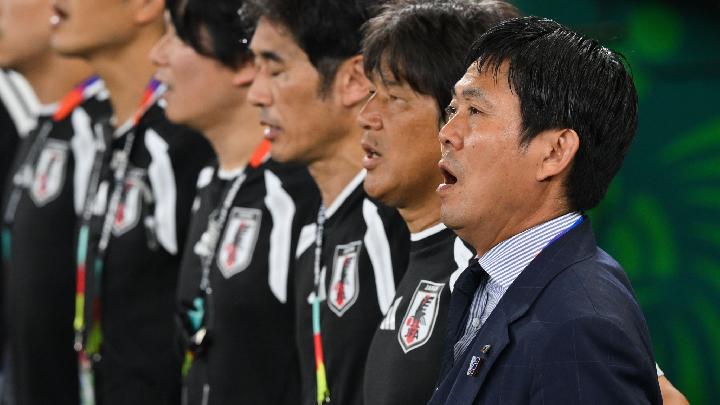
Moriyasu’s emotional display was not limited to the knockout stage. During Japan’s opening match in the 2026 tournament, he was moved to tears while standing on the touchline as the national anthem played. His reaction reflected the weight of history—becoming the first coach to guide Japan at multiple World Cups—while also evoking memories of the team’s previous struggles, particularly the 2022 campaign. This duality of pride and regret has made him a relatable figure in the world of football.
The Origins of a Coach’s Passion
Before his rise as a coach, Moriyasu had a modest playing career. Born in Nagasaki Prefecture in 1968, he spent much of his time as a professional player in the J.League, where he developed a keen understanding of the game’s nuances. One of the most memorable moments from his playing days was the 1993 “Agony of Doha” incident, in which Japan conceded a stoppage-time equalizer against Iraq in the final World Cup qualifier. This heartbreak, though a setback, became a catalyst for his transition into coaching, fueling his desire to lead the team to success.
Coaching Triumphs and Tactical Innovations
As a coach, Moriyasu has carved a path of achievement across multiple levels of football. His career spans the J.League, where he led clubs to prominence, as well as the Japanese Olympic team and the senior national squad. This diverse experience has equipped him with a comprehensive understanding of the sport, allowing him to refine Japan’s tactical identity. He is particularly noted for implementing an aggressive pressing system and emphasizing swift transitions, which have become hallmarks of the team’s style under his guidance.
Moriyasu’s coaching philosophy has also been instrumental in fostering a culture of resilience and unity. His ability to balance technical precision with emotional leadership has earned him admiration from players and fans alike. While his strategies have been praised for their adaptability and creativity, his personal connection to the team has further solidified his status as a figure of inspiration. Even in defeat, his presence on the field has been a source of motivation, proving that success is not solely measured by results but also by the impact a coach makes on their players’ morale.
A Legacy Beyond the World Cup
Though Japan’s 2026 World Cup campaign ended with a Round of 32 exit, Moriyasu’s influence extends far beyond the tournament. His leadership, characterized by both tactical acumen and emotional depth, has left an indelible mark on Japanese football. The way he handled the team’s challenges—whether through his notebook or his heartfelt apologies—has become a narrative of perseverance, showing that even in failure, a coach’s dedication can inspire a nation.
Moriyasu’s work has also sparked conversations about the role of technology and preparation in modern coaching. His use of visual tools to communicate strategies has set a new standard, blending tradition with innovation. Fans have celebrated his ability to maintain focus during high-pressure moments, and his journey from a player who narrowly missed the World Cup to a coach leading the team on the global stage is a testament to his resilience and passion.
As the 2026 FIFA World Cup concludes, Moriyasu’s legacy continues to evolve. His impact on the sport is not only seen in Japan’s performances but also in the way he has redefined coaching as an art form. While the tournament may have ended for his team, his influence on future generations of players and coaches remains strong. Moriyasu’s story is one of dedication, innovation, and the ability to turn setbacks into opportunities for growth. His journey from a player who experienced heartbreak to a coach who has brought Japan to the world stage is a powerful reminder of the importance of perseverance in sports.
For those eager to follow the tournament’s progression, staying updated on the Round of 32 schedule is essential. As teams advance and new challenges emerge, Moriyasu’s lessons from past campaigns will undoubtedly shape the future of Japanese football. His ability to adapt, inspire, and execute has set a new benchmark, ensuring his place in the annals of coaching history. Even as the spotlight shifts to other teams, the memory of Moriyasu’s emotional journey and tactical brilliance will linger, reminding fans of the human element behind the game.
Readers can explore more about Japan’s World Cup experiences and the broader context of the tournament by visiting Tempo’s latest coverage. The emotional farewell of Moriyasu, his strategic brilliance, and the legacy he continues to build are all part of a narrative that transcends the boundaries of a single competition. As the sport evolves, his approach to coaching and leadership will serve as a lasting inspiration for football enthusiasts around the world.
For real-time updates and insights into the ongoing World Cup matches, follow Tempo on Google News to stay informed about the latest developments. Moriyasu’s story is a microcosm of the global football landscape, where preparation, emotion, and vision converge to create moments that resonate far beyond the pitch.