Why Do Regional Heads Commit Corruption?
Understanding the Root Causes Behind Regional Leadership Corruption in Indonesia Why Do Regional Heads Commit Corruption - The Indonesian government has been
Understanding the Root Causes Behind Regional Leadership Corruption in Indonesia
Tempatdonasi.com – The Indonesian government has been actively examining the growing number of corruption cases involving local leaders across the archipelago. Minister of Home Affairs Tito Karnavian recently provided insight into why these officials frequently engage in illicit activities, identifying two primary drivers behind this troubling trend. The investigation reveals complex factors that push elected officials toward unethical behavior.
The Financial Burden of Election Campaigns
One significant factor contributing to corrupt behavior among regional heads stems from the electoral process itself. According to Tito, the substantial financial investment required to win regional elections creates a powerful incentive for newly elected officials to recover their expenditures once they assume office. Many candidates spend millions of rupiah on campaigns, creating immediate pressure to recoup these costs through various means.
“The expensive costs of regional elections cause regional heads, after being elected, to want to recoup the money they have spent,” he explained during an interview on Sunday, July 12, 2026.
This financial pressure is compounded by the fact that official compensation packages for regional leaders remain relatively modest when measured against the demands and expectations associated with such prominent positions. Consequently, many officials turn to alternative revenue streams to supplement their income. The gap between campaign spending and official salary creates a perfect storm for corruption.
“As a result, they seek additional income through corruption,” stated the former Police Chief, highlighting how economic necessity and opportunity combine to encourage questionable practices.
Greed and Moral Compromise
Beyond financial considerations, Tito identified a second critical element: personal greed that gradually erodes the ethical foundation of regional leadership. This characteristic manifests as a continuous pursuit of wealth accumulation through various forms of misconduct and abuse of power. When officials become accustomed to accessing public funds, the temptation to exploit these resources grows stronger over time.
He emphasized that this insatiable desire for more resources drives many officials to exploit their positions repeatedly rather than limiting themselves to occasional infractions. The psychological shift from public servant to self-interested actor happens gradually, making it harder to detect early warning signs.
Government Response and Monitoring Systems
In addressing these challenges, the Ministry of Home Affairs has established collaborative partnerships with the Corruption Eradication Commission alongside several other relevant governmental bodies. Together, they work to reduce corrupt practices among regional administrators through coordinated efforts. These partnerships represent a comprehensive approach to tackling the problem from multiple angles.
A key component of this strategy involves implementing a comprehensive digital monitoring system designed to enhance financial transparency within regional governments. This technological solution enables better tracking of public funds and helps prevent misuse. Real-time data collection allows authorities to identify suspicious patterns before they escalate into major scandals.
The ministry’s involvement in oversight matters derives from its statutory responsibilities under current regulations. However, Tito acknowledged certain limitations in their authority compared to military and police organizations. These structural constraints sometimes hinder effective enforcement of anti-corruption measures.
“However, we do not have commanding authority like in the TNI and Police organizations,” Tito affirmed, noting the structural differences in enforcement capabilities.
Recent Cases and Historical Trends
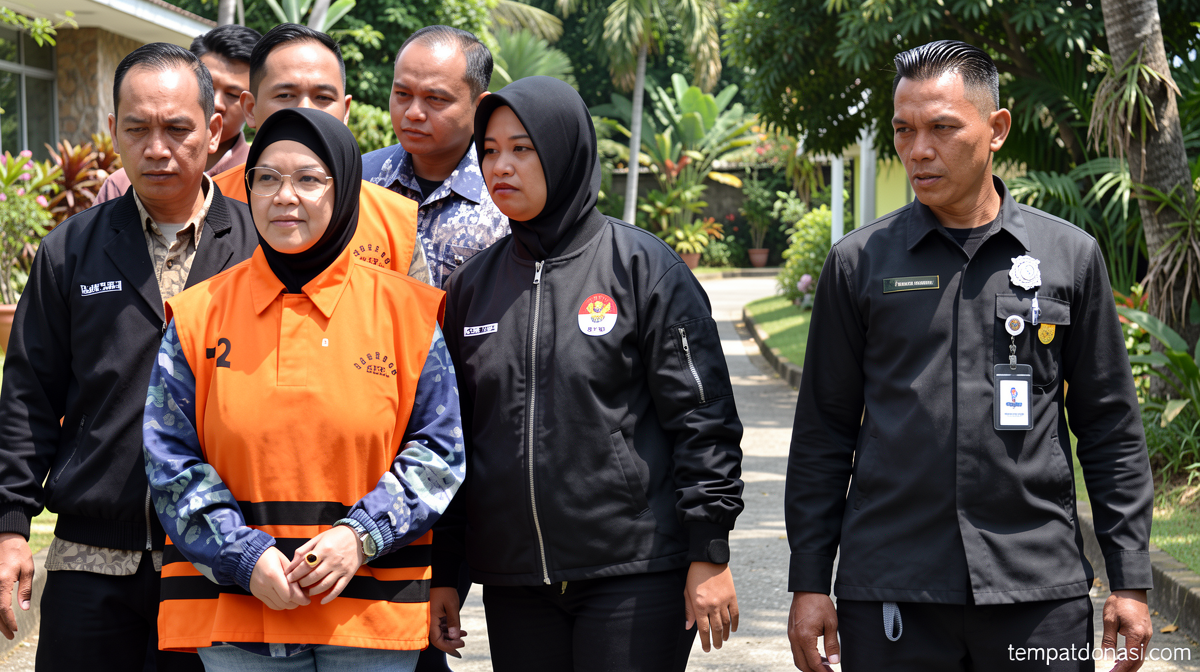
The urgency of these initiatives becomes evident when examining recent developments. Within a single month, three regional heads have been formally designated as suspects in corruption investigations. These include Kuantan Singingi Regent Suhardiman Amby, Langkat Regent Syah Afandin, and most recently, Sukoharjo Regent Etik Suryani. Each case highlights different aspects of the corruption problem.
Looking at broader patterns, the first seven months of 2026 have already seen ten regional heads implicated in various corruption matters. Historical data compiled by Indonesia Corruption Watch reveals an even more extensive picture, showing that 365 regional heads have become suspects in corruption cases spanning from 2010 through 2024. This long-term trend suggests systemic issues rather than isolated incidents.
Analysis of these cases indicates that the predominant methods employed by regional leaders involve trading positions for financial gain and diverting regional government procurement contracts for goods and services to personal benefit. These mechanisms allow officials to channel public money into private pockets while maintaining plausible deniability.
As the government continues to strengthen its monitoring mechanisms and enforcement capabilities, stakeholders remain hopeful that these combined efforts will gradually reduce the frequency of corruption among Indonesia’s regional leadership. The path forward requires sustained commitment from all levels of government and civil society.