
Singapore Public Holidays 2027: 5 Long Weekends Await
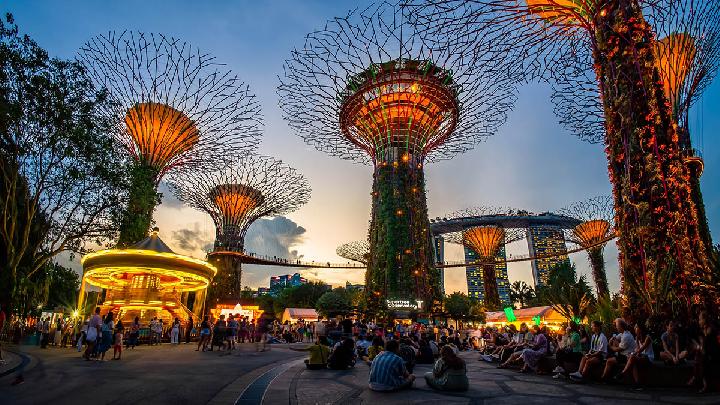
Singapore Public Holidays 2027 – As the new year approaches, Singapore has revealed its 2027 public holiday schedule, six months in advance, through the Ministry of Manpower (MOM). This year, the nation will celebrate 11 official holidays, offering residents a well-balanced mix of cultural, religious, and national observances. Among these, five long weekends will provide extra time for leisure, travel, or family gatherings, making 2027 a particularly dynamic year for public holidays.
Key Public Holidays and Their Dates
The 2027 calendar begins with New Year’s Day on January 1, which falls on a Friday. This date is significant as it marks the start of the year and is often associated with festive gatherings and resolutions. Following this, the Chinese New Year celebration, a major event in the multicultural fabric of Singapore, will commence on February 6–7, with the second day (February 7) landing on a Sunday. This two-day holiday allows for a longer break, encouraging both locals and visitors to partake in traditional activities and street festivals.
March 10, a Wednesday, is set for Hari Raya Puasa, a Muslim holiday commemorating the end of Ramadan. This day is traditionally observed with family meals and community events. Good Friday, on March 26, a Friday, will also be a public holiday, providing a three-day weekend for religious observance and reflection. Labour Day, celebrated on May 1, a Saturday, honors workers and is often marked by parades and public events. The next major holiday is Hari Raya Haji on May 17, a Monday, which is a key Islamic celebration in Singapore. This date aligns with the nation’s commitment to recognizing religious diversity and inclusivity.
Vesak Day, observed on May 20, a Thursday, is a Buddhist holiday marking the birth, enlightenment, and death of Siddhartha Gautama. It offers a unique opportunity for spiritual reflection and cultural events. National Day, on August 9, a Monday, celebrates Singapore’s independence and national identity, with a focus on unity and heritage. Deepavali, the Hindu festival of lights, will be on October 28, a Thursday, while Christmas Day on December 25, a Saturday, marks the end of the year with family traditions and holiday shopping.
Long Weekends and Their Impact
The five long weekends in 2027 are strategically placed to ensure residents can enjoy extended breaks without disrupting the workweek. These include New Year’s Day (January 1), Good Friday (March 26), Chinese New Year (February 7), Hari Raya Haji (May 17), and National Day (August 9). Each of these dates falls on a Friday, Sunday, or Monday, creating a four-day holiday period that can be combined with weekends for longer vacations.
For instance, the Chinese New Year holiday, spanning February 6–7, will be paired with the weekend to form a seamless three-day break. Similarly, Hari Raya Haji on May 17 and National Day on August 9 will both be followed by additional days off, allowing for extended family time or travel. These long weekends are not only a chance for rest but also a time to engage in cultural activities and community events, fostering a sense of shared identity among Singaporeans.
Employers and employees can benefit from these long weekends by planning ahead for holiday closures. The extended periods may lead to increased consumer activity, as people are more likely to spend on travel, dining, or shopping. Additionally, businesses might adjust their operations to accommodate the holiday influx, offering special promotions or services to enhance the visitor experience.
Compensation and Flexibility for Workers
Citing Channel Asia News, the MOM has clarified that employees working on public holidays are entitled to additional compensation. This includes receiving their gross pay for the day of work, along with an extra day’s salary at their basic rate. The policy ensures that workers are fairly compensated for their time off, even when they are required to work during these periods.
“Employees who work on a public holiday are entitled to additional compensation, which includes their gross pay for the day and an extra day’s salary at their basic rate of pay,” the Ministry of Manpower stated.
Employers have the option to offer time off in lieu of the additional holiday pay, provided both parties agree to the arrangement. This flexibility is particularly beneficial for those earning more than S$4,500 per month, as well as non-workmen earning over S$2,600 monthly and all managers and executives. It allows for personalized work-life balance arrangements, catering to the diverse needs of Singapore’s workforce.
The compensation rules are designed to support workers during peak holiday periods while giving employers the ability to manage their schedules effectively. For example, a worker might opt for a day off instead of receiving the extra salary, which could be advantageous during busy times. This adaptability is crucial in a nation where public holidays play a significant role in both economic and social activities.
Planning for 2027: A Guide for Residents
With the 2027 public holiday schedule now set, residents are encouraged to plan their activities in advance. The combination of five long weekends and the regular holidays creates a diverse calendar that caters to both personal and professional needs. From the lively celebrations of Chinese New Year to the reflective moments of Good Friday, each holiday offers a unique experience that highlights Singapore’s cultural richness.
For families, these holidays provide opportunities to strengthen bonds through shared traditions and gatherings. For businesses, they can leverage the festive spirit to boost sales and engage customers. Additionally, the extended breaks may help in reducing employee burnout, allowing for a more refreshed workforce throughout the year. As the year progresses, these holidays will serve as a reminder of Singapore’s vibrant multicultural heritage and its commitment to work-life balance.
Residents are also advised to check their employment contracts for specific details on holiday compensation and leave arrangements. Employers may have varying policies, so staying informed is key to maximizing the benefits of these public holidays. Overall, 2027 promises to be a year of celebration, reflection, and opportunity for Singaporeans, as they navigate the nation’s calendar of events with enthusiasm and planning.
Read: Top 10 Safest Countries in the World Based on 2026 GPIClick here to get the latest news updates from Tempo on Google News