Indonesian Military to Reinforce Troops in Papua After Pilot Killing
Indonesian Military to Deploy Additional Forces in Papua Following Pilot Incident Indonesian Military to Reinforce Troops in Papua - Indonesian military
Indonesian Military to Deploy Additional Forces in Papua Following Pilot Incident
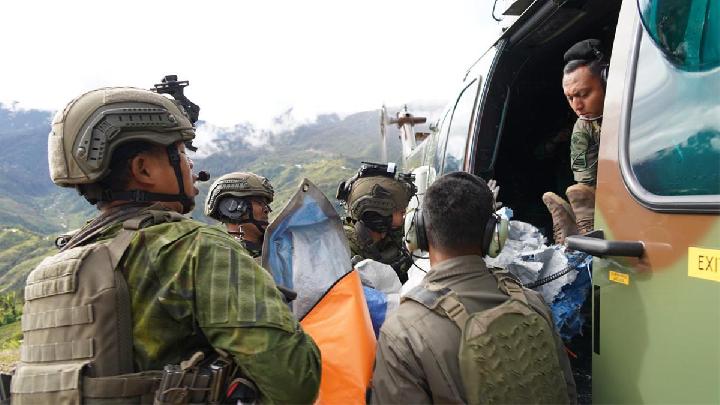
Tempatdonasi.com – Indonesian military authorities have decided to increase the presence of defense personnel in several high-risk zones across Papua, responding to recent tensions sparked by the fatal shooting of an American pilot and the subsequent destruction of an AMA airline aircraft. The incident, which occurred in Balinggaman, Sobaham District, Yahukimo Regency, on July 2, 2026, has prompted a reassessment of security strategies in the region, according to the Joint Regional Defense Command III.
Security Gaps Highlighted in Military Response
Commander of the Joint Regional Defense Command III, Lieutenant General Lucky Avianto, emphasized that current security infrastructure in the area is insufficient. “It’s true that Balinggaman, where the pilot was killed, lacks a dedicated security post,” he stated in a report published by Antara on July 5, 2026. Avianto noted that the nearest security post is approximately 40 kilometers away, situated in challenging mountainous terrain. This distance, he argued, creates vulnerabilities that could be exploited by separatist groups.
“The absence of immediate security coverage in Balinggaman underscores the need for reinforced patrols,” said Avianto, who pointed to the incident as a catalyst for the military’s decision. He added that the TNI will conduct a thorough evaluation to determine which regions require urgent attention, particularly those critical for aviation operations.
The attack on the pilot, Nicholas Gosselin, and the burning of the aircraft are part of a broader pattern of resistance activity. Avianto drew a parallel to the earlier assault on a Smart Air plane at Korowai Airport in Boven Digoel Regency, which took place on February 12, 2026. That incident resulted in the deaths of two crew members and demonstrated the persistent threat posed by separatist militias.
Separatist Claims of Protest and Strategy
Sebby Sambom, a spokesperson for the TPNPB (West Papuan National Liberation Army-Free Papua Movement), claimed responsibility for the July 2 incident. He stated that the pilot was targeted as part of an organized effort to disrupt Indonesian military operations in the region. “We shot the pilot as an ultimatum to prevent further flights by Indonesian airlines over Papuan territory,” Sambom wrote in a statement released on July 3, 2026.
“The aircraft was used to transport logistical support for the TNI, which we view as an act of oppression against the Papuan people,” said Sambom. He highlighted that 36 defense regional commands (Kodap) under TPNPB have implemented flight bans in their jurisdictions, targeting all airlines operating in Papua. This measure, he explained, is intended to limit the TNI’s ability to deploy troops and supplies to remote areas.
According to Sambom, local airlines like AMA are frequently utilized to facilitate the movement of military personnel and equipment. The PT AMA aircraft that was burned in Yahukimo Regency, he alleged, was carrying supplies for the Indonesian military, contributing to their efforts in the region. The separatist group’s strategy, as described by Sambom, is to weaken the TNI’s logistical advantages and assert control over Papuan airspace.
Strategic Implications and Regional Impact
The incident has intensified discussions about the security dynamics in Papua, a region long associated with separatist movements and ethnic tensions. Military analysts suggest that the deployment of additional troops will focus on high-traffic areas and critical infrastructure, such as airports and border checkpoints. This move aims to deter future attacks and reinforce the government’s claim of sovereignty over the territory.
Avianto also mentioned the importance of collaboration with local leaders to identify and prioritize areas in need of reinforcement. He proposed working with Bishop Yanuarius You of Jayapura to establish a more coordinated approach to security. “We can jointly assess the most vulnerable regions and allocate resources effectively,” Avianto stated, underscoring the need for community engagement in the security strategy.
The attack on Nicholas Gosselin, an American pilot flying for AMA, has drawn international attention. Prior to the July 2 incident, the pilot was shot dead by the TPNPB Kodap XVI Yahukimo militia, led by Elkius Kobak. The motive, as per the separatist group, was to send a message against the TNI’s presence in Papua. Sambom described the event as a deliberate act of defiance, aiming to halt the expansion of military operations in the region.
The TPNPB’s actions reflect a strategic shift toward targeting both military and civilian infrastructure. By burning the aircraft and killing the pilot, the group seeks to undermine the logistical capabilities of the Indonesian military and highlight their opposition to external involvement in Papuan affairs. Sambom also emphasized that the flying bans are a preemptive measure to prevent the TNI from reinforcing their positions in contested areas.
As the TNI moves to strengthen its forces, the situation in Papua remains a focal point for regional security. The military’s plan to expand security posts and coordinate with local leaders aims to address the growing concerns about separatist activity. However, the incident underscores the complex interplay between military presence, local resistance, and the broader struggle for Papuan autonomy.
Further investigations are expected to shed light on the specifics of the attack and its aftermath. The TPNPB’s claim of responsibility, combined with the logistical evidence, raises questions about the effectiveness of current security measures. Meanwhile, the Indonesian government continues to assert that the deployment of additional troops is necessary to maintain order and protect national interests in the region.
The incident has also sparked debates about the role of civilian airlines in military operations. Critics argue that using commercial aircraft to transport troops and supplies is a practical but controversial tactic, especially when it involves international pilots. The TPNPB’s accusation that the AMA flight was part of a larger military effort highlights the perception of Indonesia’s military as an occupying force in Papua.
As the TNI evaluates its response, the focus will likely remain on areas with a history of conflict and strategic significance. The addition of security personnel is expected to bolster the military’s ability to respond swiftly to threats, but it may also deepen tensions with local communities. The situation in Papua continues to evolve, with both sides preparing for the next phase of the conflict.
Read more about the American pilot incident and its implications for Papua’s security. Stay updated with the latest news from Tempo on Google News.