
S&P Keeps Indonesia’s Debt Outlook Stable: What Drove the Rating?
S&P Global Ratings Maintains Indonesia's Stable Debt Outlook: Key Factors Behind the Decision S P Keeps Indonesia s Debt - Indonesia's sovereign credit
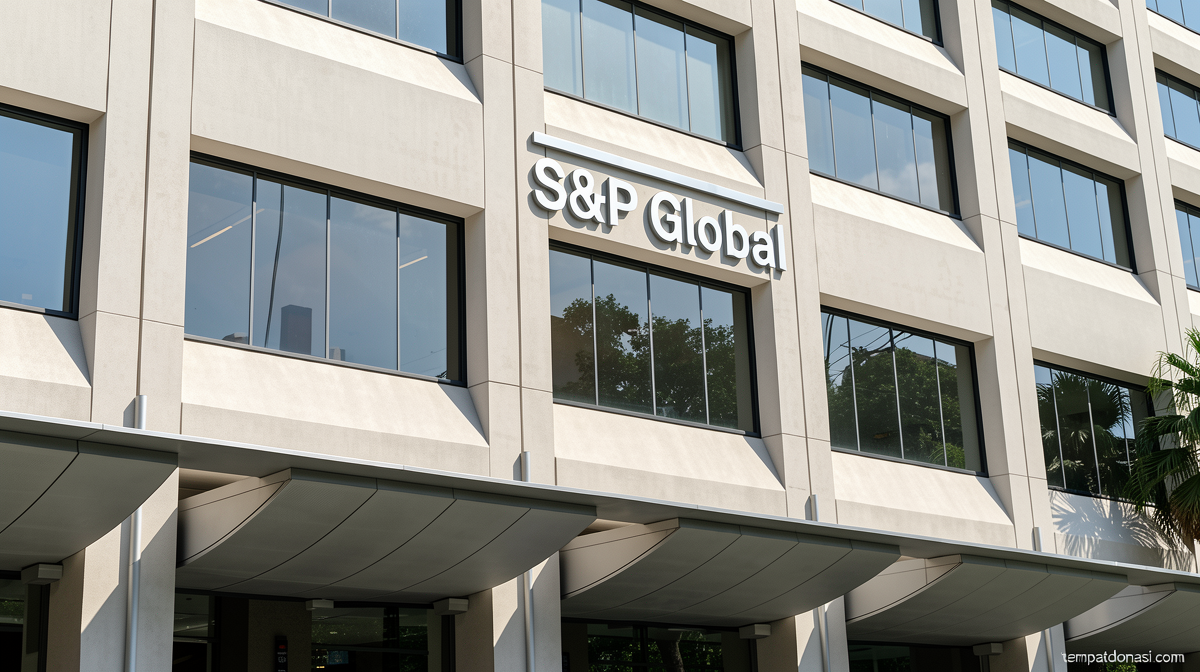
S&P Global Ratings Maintains Indonesia’s Stable Debt Outlook: Key Factors Behind the Decision
Tempatdonasi.com – Indonesia’s sovereign credit standing received positive reinforcement from S&P Global Ratings, which confirmed the nation’s BBB investment-grade rating alongside a stable outlook. The announcement, released on Monday, July 13, 2026, highlighted several fundamental strengths supporting the country’s economic trajectory while acknowledging areas requiring continued attention.
Macroeconomic Strengths Underpinning the Rating
The rating agency’s assessment emphasized multiple pillars supporting Indonesia’s credit profile. According to S&P’s official statement, the agency recognized the economy’s strong growth potential, well-calibrated macroeconomic policies, and comparatively manageable debt levels relative to peer nations.
Our ratings on Indonesia reflect the economy’s robust growth prospects, generally prudent macroeconomic policy settings, and relatively light net external and government debt burden compared to peers.
Looking ahead, S&P projected that Indonesia’s economic expansion would remain within the 5 percent range over the next two to three years. This growth forecast comes despite potential headwinds from rising oil prices, which could influence various sectors of the economy and government finances.
Challenges and Structural Considerations
While the overall outlook remains positive, the agency identified several structural factors that warrant monitoring. Indonesia continues to face challenges related to its relatively modest GDP per capita, limited breadth in both export markets and fiscal revenue collection, and a domestic financial sector that has not yet reached the depth and diversification levels seen in comparable economies.
The agency also noted that improvements in key financial ratios will depend largely on sustained revenue growth over the coming years. As S&P stated in their analysis, future progress hinges on both continuous revenue expansion and effective government programs designed to widen the tax base.
Improvements in this ratio could hinge on sustainable revenue growth over the next two to three years and the success of government initiatives to broaden the revenue base.
Fiscal Discipline and Budget Management
A central component of S&P’s positive assessment involves Indonesia’s commitment to maintaining fiscal discipline. The agency expects the government to keep the state budget deficit below the 3 percent threshold of GDP throughout the current year. This target reflects ongoing efforts to balance economic stimulus with responsible debt management.
However, S&P cautioned that external factors could complicate this objective. Rising oil prices are likely to increase government expenditures on compensation and subsidies, particularly as authorities work to maintain subsidized fuel prices for consumers and businesses alike.
Government Response and Policy Flexibility
The establishment of PT Danantara Sumberdaya Indonesia (DSI) represents one area where S&P is monitoring potential impacts on investment sentiment and economic performance. While the agency acknowledged that this new entity could influence market perceptions, they characterized this outcome as outside their base scenario. S&P noted that the government has demonstrated responsiveness to industry feedback and shown adaptability in implementing policy changes.
Additionally, the agency highlighted recent measures aimed at optimizing spending on the free nutritious meal (MBG) program. Government officials are expected to reduce approximately one-third of the initial MBG budget through modifications to program parameters, efficiency enhancements, and more rigorous oversight mechanisms.
Debt Dynamics and External Pressures
Despite progress in controlling the fiscal deficit, S&P identified ongoing pressures on government debt servicing capabilities. Several factors contribute to this concern, including accelerated debt accumulation during the pandemic period, rising yields on government bonds, and the rupiah’s depreciation against major currencies.
These dynamics require careful management as Indonesia navigates both domestic priorities and external economic conditions. The agency’s stable outlook suggests confidence that current policy frameworks are adequate to address these challenges, provided that revenue generation continues to strengthen and fiscal discipline remains intact.
For readers interested in related developments, S&P’s analysis also touched upon risks associated with Danantara’s planned US$1.5 billion global bond issuance, which could further influence market sentiment toward Indonesian sovereign debt.