Iran Says MoU ‘Suspended’ After U.S. Strikes Kill 50 in July
Tehran has officially announced that its memorandum of understanding with Washington is now effectively suspended. This declaration comes after a wave of
Iran Announces Suspension of U.S. Agreement Following Airstrikes
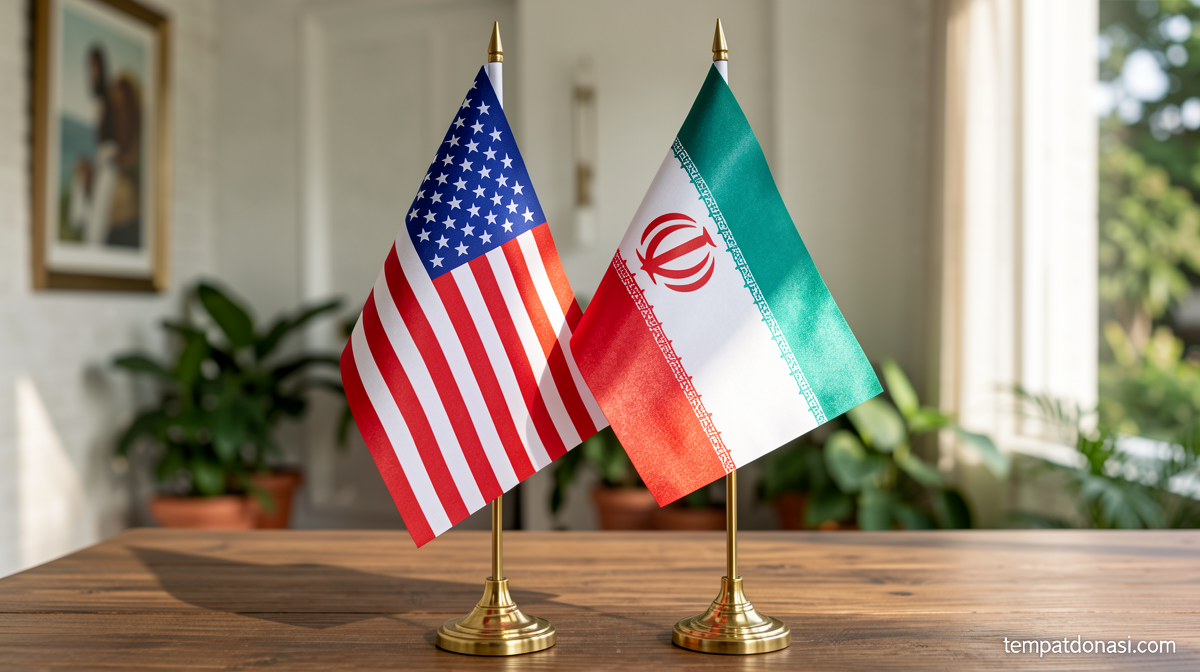
Tempatdonasi.com – Tehran has officially announced that its memorandum of understanding with Washington is now effectively suspended. This declaration comes after a wave of American aerial bombardments that have resulted in significant casualties across Iran. According to official figures released by Iran’s Health Ministry, at least fifty individuals have lost their lives while more than five hundred others sustained injuries since the attacks began on July 6.
These casualty numbers were published just hours after U.S. Central Command executed its seventh straight night of military operations against various targets throughout Iranian territory. The bombardments have caused extensive damage to civilian infrastructure, particularly affecting desalination plants. Approximately ten thousand residents are currently without access to clean drinking water as a direct consequence of these strikes.
Official Statements on MoU Violations
Kazem Gharibabadi, serving as Iran’s Deputy Foreign Minister, made it clear that the United States has broken every commitment outlined in the Islamabad MoU. This agreement was signed between the two nations just last month. He emphasized that Washington’s actions constitute both a violation and a suspension of all obligations under this framework.
“The US has violated and suspended all its commitments within the framework of the Islamabad MoU,” Gharibabadi stated on Saturday, July 18.
Following this assessment, Tehran has mirrored Washington’s actions by suspending its own commitments under the agreement. Gharibabadi explained that Iran is currently focused on defending the nation rather than implementing the diplomatic arrangement. He noted that he personally participated in technical negotiations regarding the MoU during early July, giving him firsthand knowledge of the agreement’s provisions.
Iranian Foreign Ministry spokesperson Esmaeil Baghaei echoed these sentiments, accusing the United States of violating every aspect of the deal over the past week. He stressed that Tehran does not desire war and is merely responding in self-defense to what he characterized as a forced conflict. Meanwhile, First Vice President Mohammad Reza Aref pointed out that American attacks commenced even before the MoU had been fully put into practice.
Regional Escalation and Shipping Concerns
Both nations are now pointing fingers at each other for breaching Article 5 of the MoU, which specifically guarantees the security of commercial shipping through the strategically vital Strait of Hormuz. Aref mentioned that the agreement had placed responsibility for managing maritime traffic in this waterway onto Iran’s shoulders.
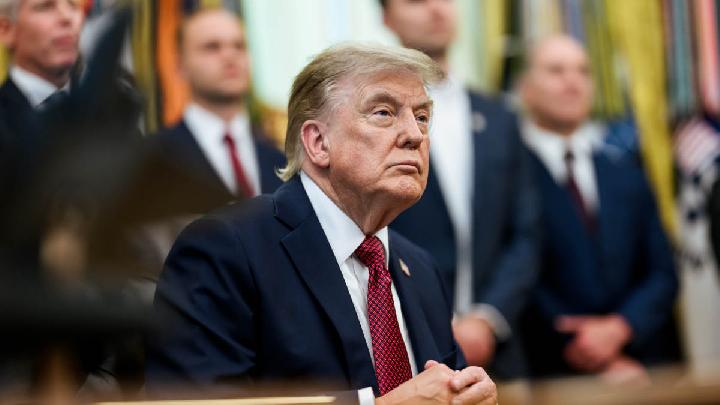
U.S. President Donald Trump had previously indicated during the NATO summit held in Ankara approximately ten days prior that the mid-June agreement had effectively come to an end. This statement followed reports that Iran had attacked a tanker vessel near the Strait of Hormuz. In response to this incident, Washington reimposed a maritime blockade on Iranian ports and withdrew exemptions that had previously been granted for Iranian oil exports.
The conflict continues to intensify with each passing day. Iran reported that the most recent American strikes destroyed a seawater pumping station and an electrical transformer at the Bunji desalination facility located in Jask, southern Iran. This damage has further exacerbated the humanitarian crisis unfolding in the region.
Tehran has responded with its own military actions, launching drones and missiles toward several Gulf states that maintain alliances with the United States. Kuwait temporarily shut down its airspace after two power and desalination facilities were reportedly targeted. Air raid sirens sounded once again in Bahrain, while Jordanian officials claimed to have intercepted ten Iranian ballistic missiles.
According to Anadolu, the United States conducted additional strikes early on Sunday, July 19, focusing on the Sirik and Hajiabad regions within Iran’s Hormozgan province. CENTCOM confirmed that these latest operations were carried out under direct orders from President Trump. In a statement published on X, the U.S. military explained that the mission aimed to diminish Iran’s capacity to threaten commercial shipping in the Strait of Hormuz while also punishing Iranian Revolutionary Guard forces responsible for attacking American military personnel in Jordan.
These recent developments highlight the increasing probability of a wider regional conflict. Diplomatic channels have largely collapsed, and both Tehran and Washington continue to exchange military strikes across the Middle East. The situation remains volatile as both sides maintain their positions while casualties mount on both sides of the confrontation.
Read: Two U.S. Troops Killed in Iranian Strike on Jordan Military Base
Click here to get the latest news updates from Tempo on Google News