Japan Says Global Support for Palestine Will Keep Growing
Toshimitsu Motegi, serving as Japan's Foreign Minister, expressed optimism regarding the trajectory of worldwide assistance toward achieving a two-state
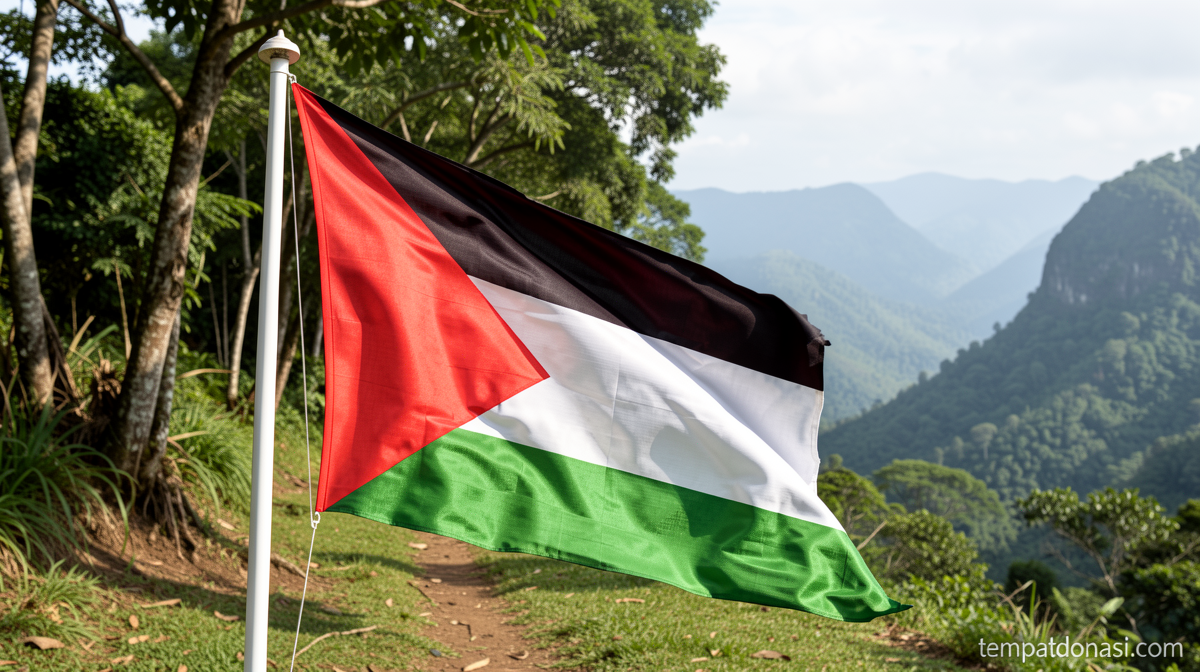
Japan Says Global Support for Palestine: Japan Envisions Expanding International Backing for Palestinian Statehood Regional Cooperation Takes Center Stage in
Japan Envisions Expanding International Backing for Palestinian Statehood
Regional Cooperation Takes Center Stage in Manila
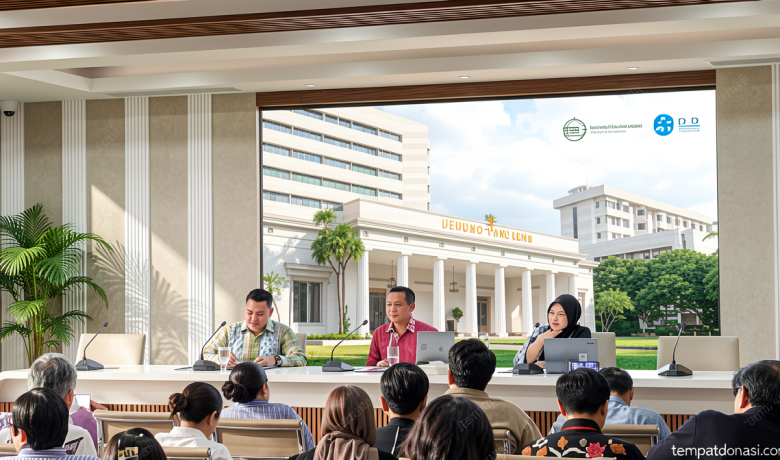
Tempatdonasi.com – Toshimitsu Motegi, serving as Japan’s Foreign Minister, expressed optimism regarding the trajectory of worldwide assistance toward achieving a two-state resolution for Palestine. His comments emerged during a significant ministerial gathering he presided over in Manila, Philippines, on Wednesday, July 22. This event brought together key stakeholders under the Conference on East Asian Cooperation for Palestine Development framework, commonly known by its acronym CEAPAD. The gathering highlighted Japan’s commitment to fostering international partnerships that strengthen Palestinian institutions and promote regional stability through coordinated diplomatic efforts.
The Japanese diplomat underscored that ensuring Palestine’s viability remains absolutely crucial for realizing the long-sought two-state solution. This perspective was relayed to the public through Japanese state television network NHK, which cited information from ANTARA news agency. The statement reflects Japan’s continued commitment to diplomatic engagement in the Middle East region. Motegi emphasized that sustained international cooperation would be instrumental in building the foundations necessary for Palestinian self-determination and economic growth.
Building Foundations for Palestinian Development
Established in 2013, CEAPAD serves as an important platform for discussing and coordinating support mechanisms for Palestine. The recent meeting in Manila drew participation from representatives of the Palestinian Authority alongside delegates from multiple East Asian nations. This regional gathering demonstrates the growing importance of Asian countries in contributing to Palestinian development initiatives. Through this framework, member nations have been able to pool resources and expertise to address critical needs across various sectors.
“Viability of Palestine is essential to realize a two-state solution,” Motegi stated during the conference proceedings.
According to Motegi’s assessment, CEAPAD holds substantial potential to advance Palestinian state-building through comprehensive human resource development strategies spanning both medium-term and long-term horizons. The framework prioritizes capacity building across several critical sectors including health services, educational institutions, agricultural production, and tourism infrastructure. These areas represent key priorities for international cooperation efforts aimed at strengthening Palestinian institutions and economic foundations. Japan Says Global Support for Palestine continues to grow through such multilateral platforms that bring together diverse stakeholders.
Trilateral Collaboration as a Growth Engine
The Foreign Minister placed particular emphasis on the significance of trilateral cooperation models. Such collaborative arrangements enable partner nations to support Palestine according to their individual strengths and comparative advantages. This approach allows for more efficient resource allocation and maximizes the impact of international assistance programs. By leveraging the unique capabilities of each participating country, the framework creates synergies that enhance overall effectiveness.
The two-state solution concept envisions the establishment of an independent Palestinian state alongside Israel, representing a cornerstone of Middle Eastern peace efforts. Japan’s sustained engagement through CEAPAD illustrates its recognition that regional cooperation mechanisms can play a vital role in this diplomatic process. By focusing on human capital development and institutional capacity building, the framework addresses fundamental needs that extend beyond immediate humanitarian concerns. This holistic approach ensures that support extends beyond emergency aid to create lasting structural improvements.
East Asian participation in Palestinian development reflects broader trends in global governance, where emerging economies increasingly contribute to international stability initiatives. The Manila meeting exemplifies how multilateral platforms can facilitate knowledge exchange and coordinated action among diverse stakeholders. As global support mechanisms continue to evolve, Japan’s leadership within CEAPAD positions the country as an important bridge between Asian and Middle Eastern diplomatic efforts. The emphasis on sustainable development through education, healthcare, agriculture, and tourism aligns with contemporary approaches to nation-building.
These sectors not only address immediate needs but also create pathways for long-term economic self-sufficiency. Through continued investment in these areas, CEAPAD aims to contribute meaningfully to Palestine’s journey toward full statehood and regional integration. The framework’s success demonstrates that when nations work together with shared objectives, they can achieve meaningful progress toward lasting peace and prosperity in the region.
Related SEO Topics
Frequently Asked Questions
What is Japan Says Global Support for Palestine?
Japan Says Global Support for Palestine is the main topic covered in this article, with practical context to help readers understand the subject clearly.
Why does Japan Says Global Support for Palestine matter?
Japan Says Global Support for Palestine matters because it helps readers compare options, avoid common mistakes, and make a more informed decision.
How should readers use this Japan Says Global Support for Palestine guide?
Use the key points, examples, and related links in this page as a starting point, then review the latest details before making a final decision.