Yahya Cholil Staquf: They Said It’s an Order from the President
The corridors of power in Jakarta have long cast their shadows over Indonesia's most influential Islamic organization, but the 35th Congress of the Nahdlatul
Palace Rumors and the Fight for Indonesia’s Largest Muslim Organization
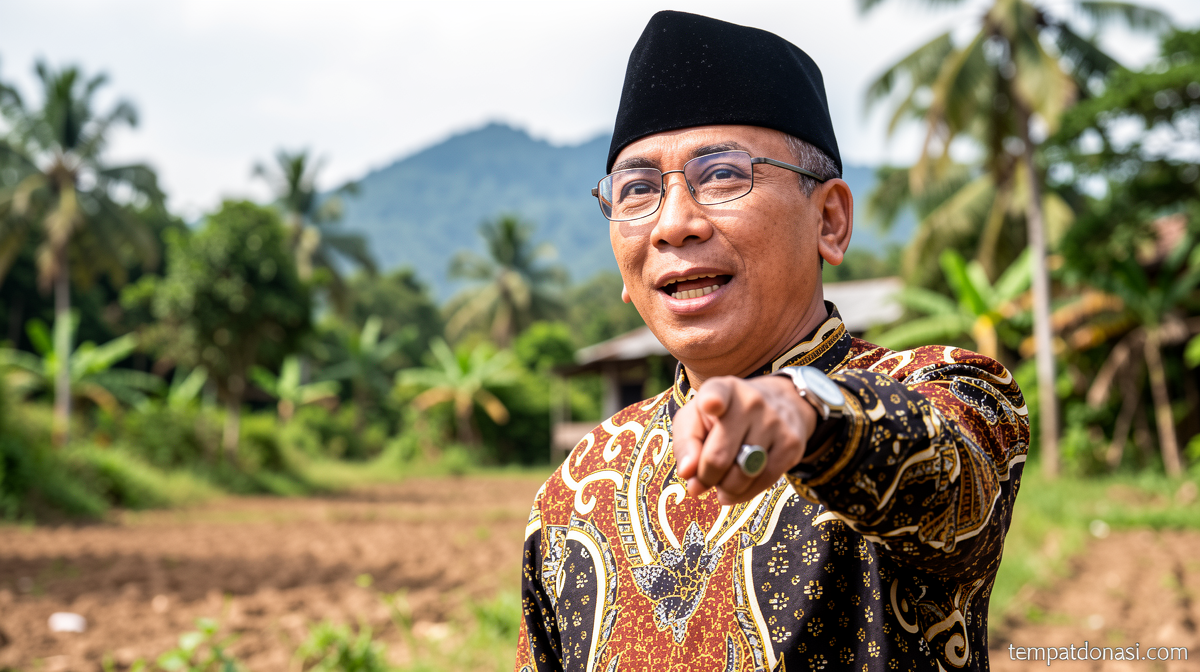
Tempatdonasi.com – The corridors of power in Jakarta have long cast their shadows over Indonesia’s most influential Islamic organization, but the 35th Congress of the Nahdlatul Ulama Central Board (PBNU), convened in Jombang, East Java, has turned those shadows into open accusations. Yahya Cholil Staquf, seeking a second consecutive term as General Chair of PBNU for the 2027–2032 period, has found himself at the center of a dispute over whether the presidential palace is quietly steering the outcome of the election.
A Contest Among Scholars, Not Politicians
Nahdlatul Ulama, founded in 1926 and home to an estimated 90 million members across the archipelago, remains the single largest traditionalist Muslim body in Indonesia. Its leadership carries enormous moral weight in matters of religious policy, interfaith relations, and electoral politics. Because of that influence, every few years the question of who will chair the organization draws intense scrutiny from both government and opposition circles.
For the 2027–2032 cycle, Staquf faced two prominent challengers among the ulema — the class of Islamic scholars who traditionally occupy NU’s senior ranks. Religious Affairs Minister Nasaruddin Umar entered the race, as did Abdul Hakim Mahfudz, the head of Pondok Pesantren Tebuireng in Jombang, East Java, one of the country’s most storied Islamic boarding schools. Nasaruddin subsequently withdrew his bid, explaining that he wished to devote his full attention to administering the ministry. That left Staquf and Mahfudz as the principal contenders heading into the congress.
“I Don’t Believe There Is Any Order from the President”
The controversy intensified when campaign teams backing rival candidates began circulating claims that President Prabowo Subianto personally favored a particular slate. Staquf dismissed the narrative flatly. Speaking to Tempo journalist Daniel Ahmad Fajri on Saturday, August 22, 2026, he offered a pointed rebuttal:
“I don’t believe there is any order from the President.”
The remark carried particular force because Prabowo himself had addressed the congress in his opening remarks, stating publicly that he was not involved in determining who would lead PBNU. The president’s own words, delivered before thousands of delegates, made the whispered palace endorsements all the harder to sustain.
The Alphard Cabin: A One-Hour Drive Through East Java
The interview with Staquf took place under unusual circumstances. Rather than a formal office or press room, the conversation unfolded inside the cabin of a black Toyota Alphard as the scholar made his way between several pesantren in East Java. Over the course of a roughly one-hour drive toward Pasuruan and Malang, Staquf fielded questions about complaints lodged by local NU officials who alleged that ministers and politicians affiliated with the Gerindra Party were attempting to push a leadership slate backed by the presidential inner circle.
Asked directly whether he had been tracking those developments, Staquf confirmed that he had received comparable reports. His reaction was less diplomatic than one might expect from a man of his stature:
“I’ve received similar reports. They said it was an order from the President. I thought, how dare they say this is the President’s order.”
Why the Question Matters
The allegation — however informal — touches a sensitive nerve in Indonesian public life. NU has historically positioned itself as an independent moral authority, distinct from both the state and partisan politics. Its congresses are internal deliberations among ulama, and the organization’s constitution reserves leadership selection to delegates elected from regional branches. For an external political figure, let alone the sitting president, to be perceived as dictating the outcome would represent a departure from that tradition and could embolden critics who argue that Prabowo’s administration has been consolidating influence over civil-society institutions.
Gerindra, the party that anchors Prabowo’s coalition, has sought closer ties with NU in recent electoral cycles, viewing the organization’s grassroots network as a potential asset in local elections. That strategic interest makes the timing of any alleged palace intervention especially conspicuous to observers who monitor the boundary between state power and religious autonomy.
Staquf’s own position as incumbent chair gives him both institutional knowledge and a degree of insulation from the accusations. He has governed PBNU through a period of post-pandemic recovery, interfaith dialogue initiatives, and internal governance reform. A second term would extend his influence through at least the 2029 legislative elections, a period in which NU’s political alignment — or deliberate non-alignment — will again shape the electoral landscape.
As the congress deliberates in Jombang, the question of whether any hand reached behind the scenes will remain unanswered in official channels. What is clear is that Staquf intends to make the delegates hear his voice, not the voice of the palace, when they cast their ballots.
Related Reading
Frequently Asked Questions
What is Yahya Cholil Staquf?
Yahya Cholil Staquf is the main topic of this guide. The article explains the context, practical details, and next steps readers should understand.
Why does Yahya Cholil Staquf matter?
Yahya Cholil Staquf matters because readers are looking for a useful answer, not just a short summary. Good content should match search intent and help them decide what to do next.