Today’s Top 3 News: Did Religious Conflict Trigger the Nepal-Tibet Border Floods?
Today's Top 3 News for the first week of September 2026 carries a grim triad familiar to readers across South and Southeast Asia: a Himalayan border flash
Today’s Top 3 News: Floods, Haze & Earthquake Rumors
Tempatdonasi.com – Today’s Top 3 News for the first week of September 2026 carries a grim triad familiar to readers across South and Southeast Asia: a Himalayan border flash flood, transboundary haze blanketing a major capital, and a viral cash-in-rubble clip tied to an Indonesian earthquake. Each event is real; each was quickly wrapped in misinformation that outpaced the facts. The stories below separate verified reporting from the screenshots and captions that followed.
Kaliman Fire Smoke Reaches Metro Manila
Combustion byproducts from forest and land fires across Indonesia’s Kalimantan island crossed the South China Sea and settled over portions of Metro Manila, pushing air-quality indices into the unhealthy band for the Philippine capital. The Department of Environment and Natural Resources (DENR) confirmed on Tuesday, September 1, that the haze layer could linger over parts of the archipelago through at least September 3, as prevailing southwest monsoon winds continued to funnel particulate matter toward the western Pacific coast.
The episode fits a pattern that has repeated every dry season since the late 1990s. Peatland burning, agricultural clearing, and uncontrolled forest fires in Sumatra, Kalimantan, and Sulawesi release fine PM2.5 and carbon monoxide that ride upper-level currents hundreds of kilometres before depositing over populated areas in Malaysia, Singapore, Brunei, and the Philippines. For Manila residents the practical fallout includes aggravated respiratory illness, reduced aviation and maritime visibility, and a measurable drop in outdoor activity among children and the elderly. Regional frameworks such as the 2002 ASEAN Agreement on Transboundary Haze Pollution were built to coordinate early warning and joint fire suppression, yet uneven national commitment leaves downwind populations absorbing the health costs of upstream burning decisions.
Nepal–Tibet Border Floods: Meteorology, Not Divine Retribution
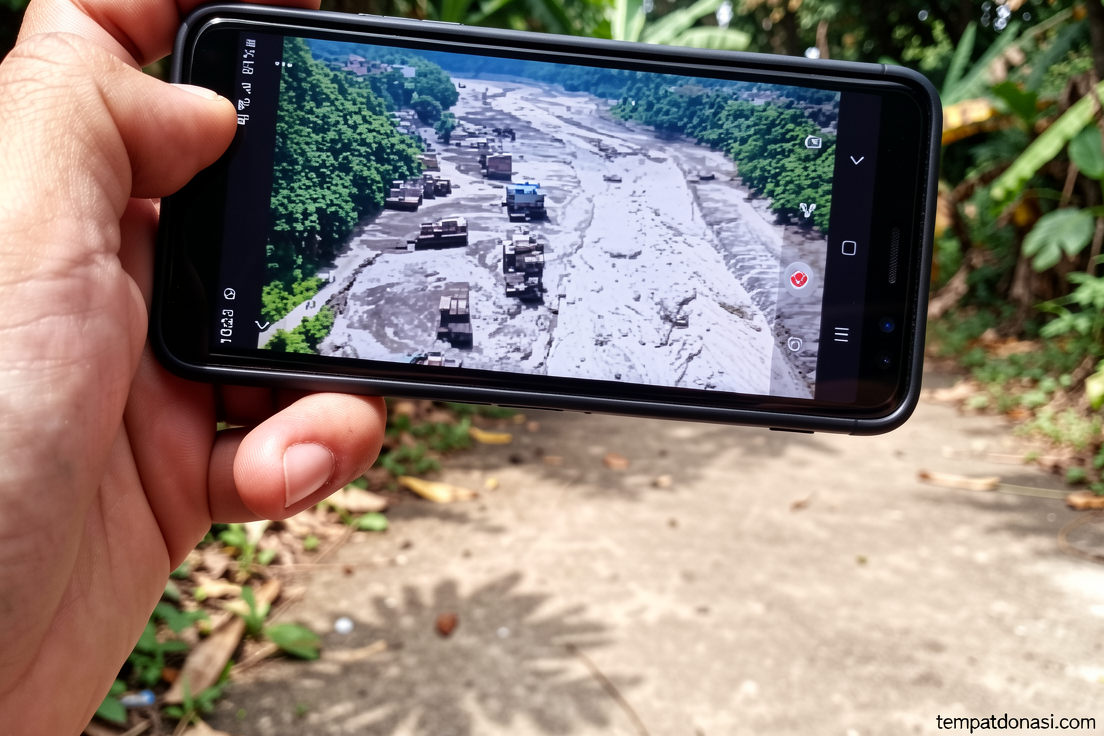
On Wednesday, August 26, 2026, flash floods struck the corridor between Nepal and China’s Tibet Autonomous Region, causing localized structural damage and displacing residents. Within roughly two days, however, a wave of posts across Facebook, Instagram, and X reframed the disaster as an act of divine punishment, alleging that the floods were triggered because Muslims in Nepal face persistent discrimination. Accompanying videos depicted scenes of religious conflict and vandalism of places of worship, lending an emotional veneer to the claim.
Fact-checking review of the footage and available meteorological data found no causal link between sectarian tensions and the hydrological event. The flooding was consistent with seasonal monsoon-driven runoff compounded by a localized dam or embankment failure in a geologically vulnerable corridor. The shared videos were either unrelated to the Nepal–Tibet border, dated to earlier incidents, or edited to imply a connection absent from the record. Today’s Top 3 News coverage of the episode underscores how rapidly a natural disaster can be repurposed as a vehicle for grievance narratives when audiences lack access to independent meteorological reporting.
Cash in NTT Earthquake Rubble: A Viral Clip and the Forestry Minister
A separate misinformation thread originated in Indonesia’s East Nusa Tenggara (NTT) province, where a recent earthquake had damaged buildings and infrastructure. Several Facebook accounts circulated a video showing neat stacks of banknotes resting among the debris of a collapsed structure. The caption, posted on Thursday, August 20, 2026, read:
“Stacks of US dollars found in the earthquake rubble in NTT; suspected to be corruption proceeds from the Forestry Minister.”
The claim identified the currency as hidden proceeds belonging to Raja Juli Antoni, Indonesia’s Minister of Forestry. Verification of the video’s origin, location metadata, and surrounding context found no evidence that the footage depicted NTT earthquake rubble, nor any connection to the minister or his ministry. The stacks of currency shown were consistent with unrelated commercial or ceremonial footage. The post nonetheless accumulated significant engagement, illustrating how emotionally charged disaster imagery can be grafted onto unrelated clips to manufacture outrage.
FAQ: Practical Answers for Today’s Top 3 News Readers
How long is the Kalimantan haze expected to affect Manila? DENR indicated the layer could persist through at least September 3, 2026, depending on monsoon wind shifts. Residents with respiratory conditions should monitor daily AQI readings and limit prolonged outdoor exertion during peak haze hours.
Were the Nepal–Tibet border floods linked to religious conflict? No. Meteorological and geological analysis attributes the event to monsoon runoff and a localized embankment failure. The viral videos circulating online were unrelated to the border area or were repurposed from earlier incidents.
Did the NTT earthquake rubble contain hidden ministerial funds? Verification found no evidence connecting the viral video to NTT earthquake debris or to Minister Raja Juli Antoni. The footage matched unrelated commercial or ceremonial material.
Where can readers verify breaking disaster claims? Cross-reference national meteorological agencies (e.g., BMKG for Indonesia, Nepal Department of Hydrology and Meteorology), official ministry press releases, and established fact-checking outlets before sharing social-media clips tied to natural disasters.