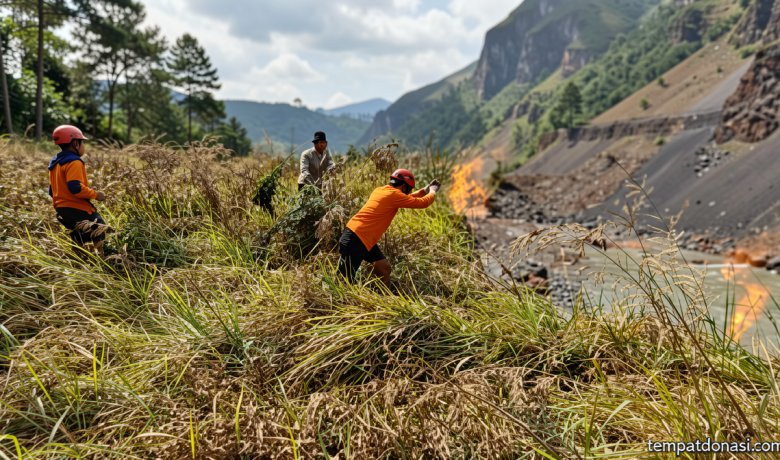
Yemen: Fighting Intensifies Amid Houthi Push in the West
Yemen - Southwestern Yemen has been thrown back into open combat as the Iran-backed Houthi militia launched a ground offensive aimed at seizing key coastal
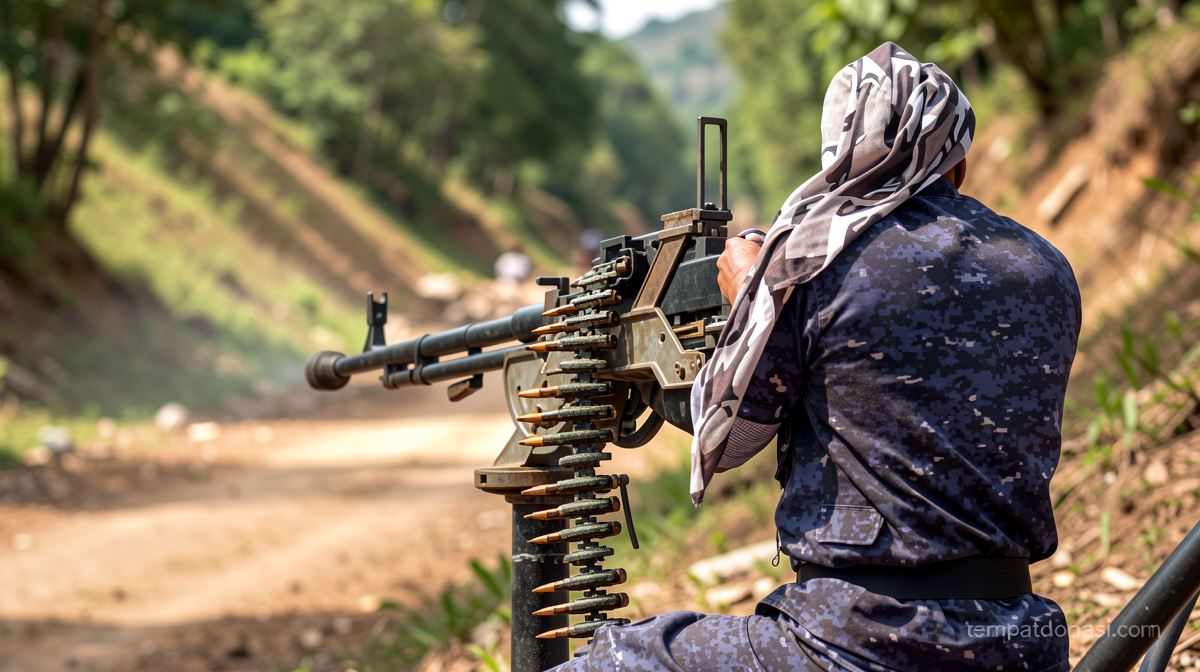
Houthi Advance Toward Yemen’s Western Coast Escalates a Decade-Long Conflict
Tempatdonasi.com – Yemen – Southwestern Yemen has been thrown back into open combat as the Iran-backed Houthi militia launched a ground offensive aimed at seizing key coastal territory along the country’s western seaboard. The push, which began Thursday, targets ports and high ground held by forces aligned with the Saudi Arabia-led coalition that backs Yemen’s internationally recognized government. Both sides have absorbed significant casualties, and the fighting has displaced hundreds of families from two coastal cities, deepening the humanitarian strain on a population already battered by nearly twelve years of civil war.
A New Front in a Long-Standing War
The Houthis, who have controlled the capital Sanaa and large swaths of the country since seizing power in 2014, moved against coalition-backed positions in two southwestern provinces: Taiz and Hodeidah. While the rebels already hold the major western port of Hodeidah further north, the southwestern tip of Yemen — including the port of Mokha, situated close to the Bab el-Mandeb Strait — remains in the hands of Saudi-led forces. It is precisely that stretch of coastline and the surrounding elevated terrain that the new offensive seeks to wrest.
No official casualty figures were released by either side. Military sources speaking on background conditions told wire services that dozens of fighters were killed or wounded on both sides, alongside civilian deaths caught in crossfire. One tally compiled by a major international wire service placed the total death count at 129 as of Friday. Shelling and sustained artillery exchanges forced hundreds of families to abandon their homes in Hodeidah and Mokha, adding to the already enormous displacement crisis in the region.
Why the Push Comes Now
Yemen’s civil war has rumbled on for almost exactly twelve years, punctuated by periods of relative quiet. That fragile lull collapsed this July, coinciding with the broader war between Iran and its Gulf rivals. The Houthis, long aligned with Tehran, appear to be exploiting the wider regional upheaval to press their military position on the western seaboard.
The strategic prize is the Bab el-Mandeb Strait, the narrow waterway where the Red Sea meets the Gulf of Aden and opens onto the Arabian Sea. For centuries it has been one of the world’s most critical maritime chokepoints, linking European trade routes to Asia. Its importance has surged in recent months as restrictions on shipping through the Strait of Hormuz have forced vessels to seek alternative passages, increasing traffic through the Bab el-Mandeb corridor.
Compounding the pressure on commercial shipping, the Houthis declared a blockade on vessels approaching the western coast of Saudi Arabia. With access to Saudi Arabia’s eastern ports already constrained by the Hormuz situation, the declared blockade threatens to squeeze a major trading nation from both maritime directions. The rebels have fired on several commercial vessels in recent weeks, inflicting severe damage and, in a few cases, fatalities — even though their control of the relevant coastline remains incomplete and their capacity to enforce a full blockade is widely questioned.
The Terrain Fight
Combat has been particularly intense around high ground overlooking the coastal approaches. Mount al-Numan, which towers above the port of Mokha, became a focal point of fierce exchanges involving small-arms fire, rocket salvos, and drone strikes. Whoever holds that elevation commands a view of the strait’s approaches and can interdict naval and commercial traffic below.
Mohammed al-Basha, a US-based risk analyst who runs the Basha Report advisory firm, explained the strategic logic behind the advance:
“They are going for Bab al-Mandeb.”
He elaborated on the political stakes:
“The Houthis feel that if they capture Bab al-Mandeb or Mokha port they will be in a better position of power to negotiate with the government and the Saudis.”
Implications for Trade and Regional Stability
The convergence of a renewed ground war in Yemen, an active blockade declaration, and ongoing hostilities around the Strait of Hormuz creates a compounding risk environment for global shipping. Insurers and logistics operators have already adjusted routing and premium structures in response to Houthi attacks on commercial vessels. If the Houthis succeed in consolidating control of the Mokha area and the surrounding high ground, their ability to project force over the strait would increase materially, giving them leverage over a waterway through which a substantial share of global container traffic, energy shipments, and humanitarian aid transits.
For Yemen’s own population, the renewed fighting in Taiz and Hodeidah provinces revives the displacement and infrastructure damage that have defined the conflict since its inception. Schools, clinics, and water systems in the affected coastal districts face renewed pressure as families flee shelling. The humanitarian organizations operating in the area warn that access corridors are narrowing, complicating delivery of food, medicine, and shelter to communities already on the edge of subsistence.
With the broader Gulf conflict showing no immediate prospect of de-escalation, the western Yemen front is likely to remain active. The question for regional observers is whether the Houthis can translate tactical gains on the coastline into the sustained territorial control needed to make their blockade credible — or whether coalition forces will retake the high ground and restore the fragile status quo that held, however tenuously, for the preceding months.
Related Reading
Frequently Asked Questions
What is Yemen?
Yemen is the main topic of this guide. The article explains the context, practical details, and next steps readers should understand.
Why does Yemen matter?
Yemen matters because readers are looking for a useful answer, not just a short summary. Good content should match search intent and help them decide what to do next.