How to Remove Volcanic Ash from Vehicles Without Scratches
On the morning following the eruption of Mount Anak Krakatau, residents throughout Jakarta, Bogor, Depok, Tangerang, and Bekasi discovered their cars
Volcanic Ash Blankets Greater Jakarta: What Every Driver Needs to Know Before Touching Their Car
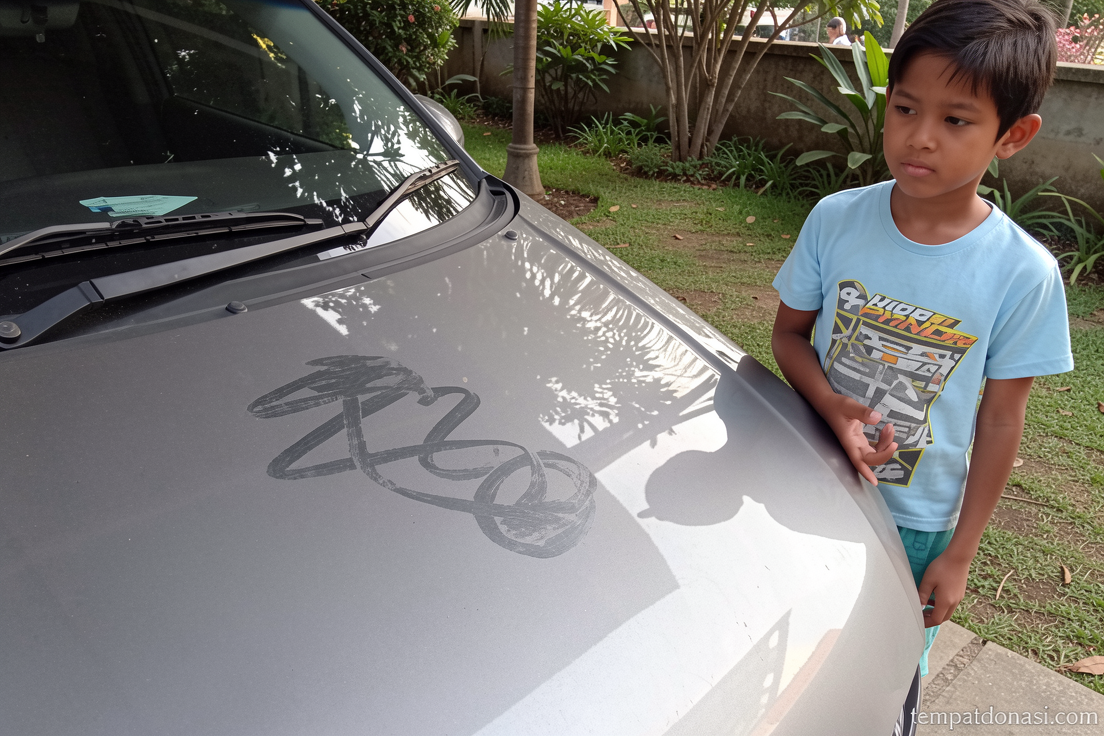
Tempatdonasi.com – On the morning following the eruption of Mount Anak Krakatau, residents throughout Jakarta, Bogor, Depok, Tangerang, and Bekasi discovered their cars, motorcycles, and parked equipment buried beneath a dense blanket of grey volcanic ash. The event transformed the skyline of Greater Jakarta overnight and left millions of vehicle owners facing an unfamiliar maintenance challenge: how to clean ash that behaves nothing like the road dust or pollen most drivers encounter in daily life.
The situation demands caution. Unlike ordinary airborne particulate matter that settles harmlessly on a windshield or hood, volcanic ash is a composite of pulverized silicate minerals, glassy volcanic rock shards, and fine-grained basaltic fragments. Each particle carries enough hardness to act as a micro-abrasive agent against automotive clear coats, lacquers, and tempered glass. Handling the deposit without understanding its physical properties can convert a cosmetic cleaning task into a permanent cosmetic defect.
Why Ordinary Cleaning Habits Fail Here
Yannes Martinus Pasaribu, an automotive specialist affiliated with the Bandung Institute of Technology (ITB), warned that the mineralogical makeup of the ash makes dry contact particularly hazardous. Speaking on Sunday, September 6, 2026, he explained the mechanism behind the damage risk:
“The particles can contain hard, abrasive mineral materials and volcanic fragments. If wiped or rubbed directly when dry, they can cause fine scratches on the clear coat and glass.”
In practical terms, dragging a dry microfiber cloth or a paper towel across an ash-covered panel replicates the action of very fine sandpaper. The scratches produced are often invisible under ambient light but become apparent under direct sunlight or UV inspection, and they permanently reduce the depth and reflectivity of the paint finish. Glass surfaces fare no better: wiper blades dragged across a dry, ash-laden windshield will etch micro-grooves that scatter light and impair visibility in rain.
The Moisture Multiplier: Corrosion Risk
A second, less obvious threat emerges when the ash layer is left undisturbed while ambient moisture accumulates. Dew, overnight humidity, or light drizzle dissolves soluble salts and sulfur compounds within the ash, creating a thin electrolyte film that sits directly against bare metal edges, trim, and any area where the clear coat has been compromised. Over hours or days, this film accelerates localized corrosion on body panels, wheel arches, and underbody components. The longer the wet residue remains, the deeper the chemical attack penetrates.
For drivers in Greater Jakarta, this means the window of safe action is not infinite. Prompt, correct removal is preferable to waiting for the ash to dry out or hoping the next rain will wash it away naturally.
A Safe Removal Sequence
Based on Pasaribu’s guidance, the following sequence minimizes the risk of introducing new damage while eliminating the existing deposit.
Step One: Lift the Wipers and Rinse from Above
Before any water touches the vehicle, raise both windshield wiper arms so they rest away from the glass. This single precaution prevents the most common self-inflicted scratch pattern seen after ash events. Then begin flushing with a steady, continuous stream of running water—ideally from a garden hose with a gentle spray nozzle or a pressure washer set to its lowest setting. Start at the roof and work downward, letting gravity and water flow carry loosened particles toward the ground rather than dragging them across lower panels. The goal is complete displacement of every visible particle, not merely dampening the surface. A quick mist will not suffice; sustained flow is necessary to suspend and carry away the densest deposits.
Step Two: Shampoo and Rinse Again
Once the bulk of the ash has been flushed away, apply a pH-balanced automotive shampoo with a clean wash mitt or soft sponge, working in gentle circular motions. This step lifts any residual fine particles embedded in the clear coat and removes the soluble mineral film that water alone cannot dissolve. Follow with a second thorough rinse to clear all soap and loosened grit.
Step Three: Dry with Clean Microfiber
Pat the surface dry using a fresh, lint-free microfiber towel. Do not rub. The patting motion avoids re-introducing any microscopic grit that may still cling to the fabric. Inspect the towel after each panel; if grey streaks appear, switch to a clean section or a new towel before continuing.
Step Four: Inspect and Treat
After the vehicle is fully dry, walk its perimeter under angled light. Look for hairline scratches in the clear coat, etching on glass, or early surface rust at panel edges and drain holes. Any affected area should be addressed promptly with touch-up paint, a glass repair kit, or professional detailing before the next ash event or seasonal humidity cycle compounds the damage.
Preventive Measures for the Coming Days
For vehicles not yet exposed, or for owners anticipating further ashfall from subsequent eruptions, two precautions reduce risk substantially. First, park under a solid roof—garage, carport, or enclosed structure—so that falling particles never reach the paint. Second, if a fabric car cover is the only option, apply it only to a surface that has already been washed and dried. Placing a cover over an ash-coated vehicle traps abrasive particles between the fabric and the paint; every subsequent removal and reapplication then works like a very slow sanding pass across the finish.
Mount Anak Krakatau sits in the Sunda Strait roughly 30 kilometres from the western coast of Java, and its activity has produced periodic ashfall events over the densely populated Greater Jakarta corridor. With millions of vehicles parked outdoors in open lots, driveways, and roadside spaces across the five administrative regions, the cumulative impact on automotive finishes after each eruption is significant. Drivers who adopt the rinse-first, never-dry-wipe protocol described above can protect their investment without requiring a professional detailer for every ashfall episode.
Related Reading
Frequently Asked Questions
What is How to Remove Volcanic Ash?
How to Remove Volcanic Ash is the main topic of this guide. The article explains the context, practical details, and next steps readers should understand.
Why does How to Remove Volcanic Ash matter?
How to Remove Volcanic Ash matters because readers are looking for a useful answer, not just a short summary. Good content should match search intent and help them decide what to do next.