How to Stay Safe from Volcanic Ash Exposure: Expert Guide
Repeated eruptions from Mount Anak Krakatau, the young volcanic island sitting in the Sunda Strait south of Java, have sent plumes of fine particulate matter
Mount Anak Krakatau’s Ash Cloud Forces Jakarta Residents to Rethink Everyday Outdoor Habits
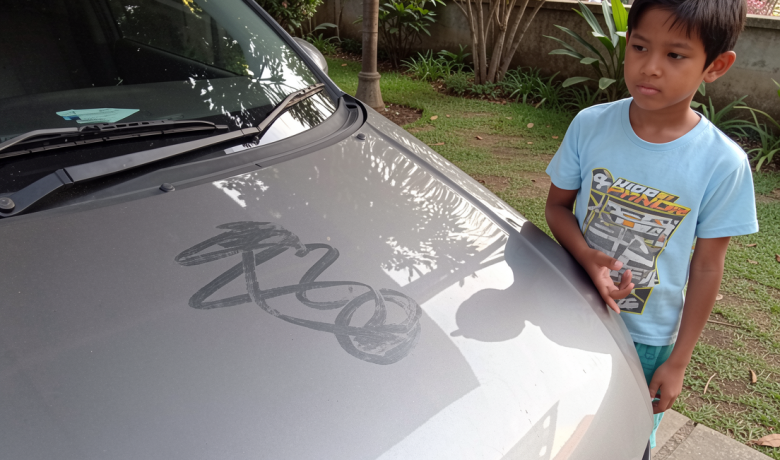
Tempatdonasi.com – Repeated eruptions from Mount Anak Krakatau, the young volcanic island sitting in the Sunda Strait south of Java, have sent plumes of fine particulate matter drifting across the capital region. Greater Jakarta and its surrounding commuter belt — collectively known as Jabodetabek — have been blanketed in a grey film of ash, prompting public-health officials and scientists to issue urgent guidance on how ordinary residents can shield themselves and their households from a hazard that looks deceptively like ordinary dust.
The distinction matters. What settles on rooftops, windshields, and skin after a Krakatau event is not the soft, inert residue of a bonfire. It is a pulverized volcanic glass loaded with crystalline silica, and its microscopic geometry makes it behave more like a spray of razor-thin shards than like any household particulate. That single compositional difference reshapes every piece of advice a doctor or epidemiologist can offer.
Why the Particles Hurt
Dicky Budiman, an epidemiologist based at Griffith University in Australia, made the distinction explicit in a conversation with ANTARA on Sunday, September 6, 2026.
“This volcanic ash is very different from ordinary ash or dust because it contains silica, which acts like sharp glass shards and can cause damage, especially to exposed organs including the eyes, nose, mouth, and skin.”
Beyond the mechanical abrasion, fresh ash carries a thin acidic outer coating that intensifies irritation to mucous membranes and lung tissue until rainfall washes the chemistry away. In other words, the hazard does not simply fade with time; it persists in its most aggressive form until a substantial downpour neutralizes the surface acidity.
What Happens to the Body
The eye is often the first organ to register the insult. Budiman outlined a cascade of ocular symptoms: redness, a stinging or burning sensation, excessive tearing, heightened sensitivity to light, and in more severe cases, actual micro-scratches across the corneal surface. Prolonged or repeated exposure can push the reaction into conjunctivitis — inflammation of the conjunctiva marked by swelling, persistent redness, a burning feeling, and photosensitivity.
The lower airways respond differently but no less seriously. Inhalation of ash-laden air triggers nasal and pharyngeal irritation, a runny nose, and, at higher ambient concentrations, a dry hacking cough. Chest tightness or localized pain may follow as the particulate load reaches the bronchial tree.
For people living with asthma or chronic bronchitis, the picture escalates quickly. Budiman warned that pre-existing airway inflammation turns a manageable irritation into phlegm overproduction, audible noisy breathing, and wheezing — signs that the small airways are narrowing under chemical and mechanical assault.
“Sufferers are advised to avoid strenuous physical activity when volcanic ash concentration in the air is high, as faster breathing draws volcanic ash particles deeper into the lungs. Furthermore, fresh volcanic ash carries an acidic outer coating that heightens irritation to the lungs and eyes until it is washed away by rain.”
Practical Protection: A Step-by-Step Framework
Budiman distilled his recommendations into a set of concrete actions that households in Jabodetabek and other ash-affected zones can implement immediately.
1. Seal the Indoor Environment
Before anything else, keep every exterior door and window shut while the plume circulates. If gaps beneath doors allow visible dust migration, press damp cloths or towels into the openings. Limit the number of times household members step outside to absolute necessities — a quick trip to collect mail, not a leisurely walk around the block.
2. Cover the Body and Face
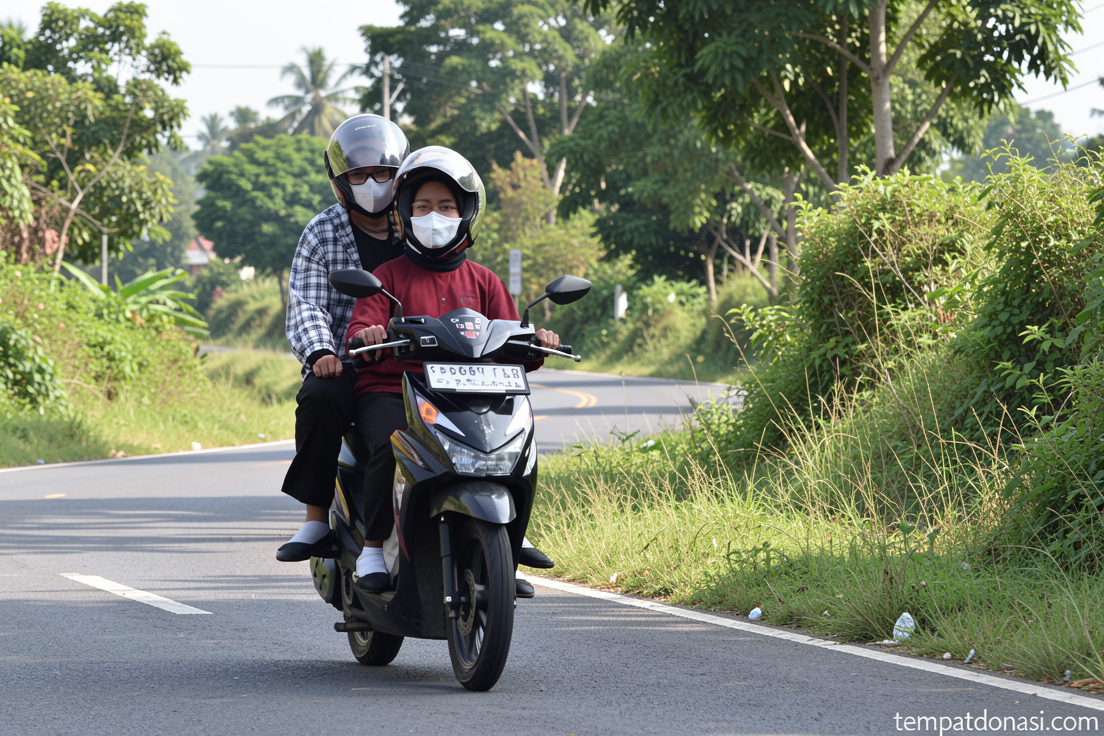
When going outdoors is unavoidable, wear long-sleeved shirts, full-length trousers, and closed-toe shoes to minimize bare-skin contact. Over the nose and mouth, a well-fitted N95 respirator — not a cloth face covering — is the minimum standard, because only a tight seal prevents the sharp silica fraction from reaching the lower airways. For the eyes, skip contact lenses entirely; instead, use sealed safety goggles or wraparound glasses that block lateral particle ingress.
3. Rinse, Do Not Rub
If ash lands on skin or splashes into the eyes, flush the area with clean, lukewarm water as soon as possible. Resist the instinct to rub or scratch: the abrasive grains will grind into the tissue like tiny blades and produce micro-tears. Likewise, do not shake out ash-coated clothing indoors; the agitation re-suspends the finest fraction into the room air and re-exposes everyone present.
4. Throttle Physical Exertion
While ambient ash levels remain elevated, skip the morning jog, the cycling commute, or any activity that drives the respiratory rate upward. Faster breathing pulls microscopic volcanic particles past the nasal filtration layer and deep into alveolar tissue, where the acidic coating does its worst work.
5. Watch for Escalation and Follow Official Channels
Anyone developing severe shortness of breath, persistent chest pain, or eye irritation that does not resolve within a short period should present at the nearest health facility without delay. For situational updates — eruption frequency, ash-fall forecasts, school closures — rely exclusively on government-issued bulletins rather than social-media speculation.
Context: Krakatau’s Ongoing Activity
Mount Anak Krakatau, which rose from the caldera of the 1883 Krakatau catastrophe, has been erupting intermittently for decades. Its location in the narrow Sunda Strait means that prevailing winds can carry ash directly toward the densely populated northern coast of Java, where tens of millions of people live and work. The September 2026 episode is not an isolated event; residents of the capital region should treat each new plume as a recurring seasonal risk and keep a small stock of N95 masks, goggles, and clean water on hand.
“I urge everyone to remain vigilant, follow official government updates, and avoid panic, as panic will only harm us all.”
The message from the epidemiologist is straightforward: the ash is real, its chemistry is aggressive, but the window of harm is narrow enough that disciplined household habits — sealing, covering, rinsing, and pacing — keep most people well clear of the injury threshold. The goal is not to live in fear of every grey speck on the windshield; it is to recognize the difference between ordinary dust and volcanic glass, and to act accordingly.
Related Reading
Frequently Asked Questions
What is How to Stay Safe from Volcanic?
How to Stay Safe from Volcanic is the main topic of this guide. The article explains the context, practical details, and next steps readers should understand.
Why does How to Stay Safe from Volcanic matter?
How to Stay Safe from Volcanic matters because readers are looking for a useful answer, not just a short summary. Good content should match search intent and help them decide what to do next.