What to Pack in an Emergency Bag for Disaster Survival
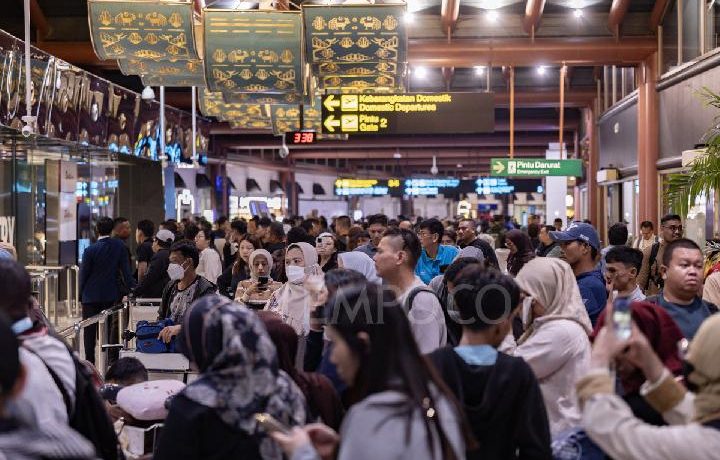
When Mount Anak Krakatau sent a plume of volcanic ash drifting over Java and into Greater Jakarta's skies, the reminder was stark: Indonesia's position along
Indonesia’s Fault Lines Demand Every Household Be Ready Before the Next Quake or Eruption
Tempatdonasi.com – When Mount Anak Krakatau sent a plume of volcanic ash drifting over Java and into Greater Jakarta’s skies, the reminder was stark: Indonesia’s position along the Pacific Ring of Fire means that megathrust earthquakes, tsunamis, and volcanic eruptions are not hypothetical threats but recurring realities. Three major tectonic plates — the Eurasian, Indo-Australian, and Pacific — converge beneath the archipelago, making the nation one of the most seismically active on Earth. In that geological context, the question is no longer whether a disaster will strike a given community, but when, and whether its residents will be prepared.
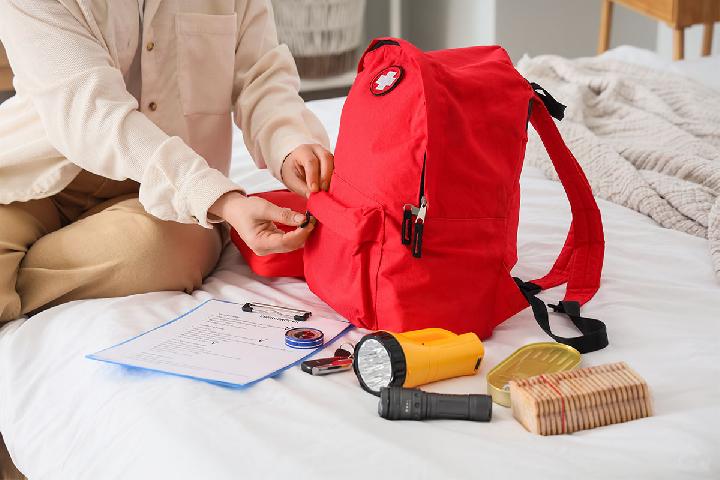
The National Disaster Management Agency (BNPB) has long maintained that household-level mitigation begins with a single, tangible act: assembling a disaster emergency bag, sometimes called a go bag. The agency’s guidance is explicit about construction. Use a sturdy, waterproof backpack. Seal every item in plastic wrapping before it enters the pack. The finished bag must sustain a family for a minimum of three days if official rescue is delayed, while also enabling a rapid evacuation when conditions demand it.
Why Three Days?
The three-day benchmark reflects the typical window before organized relief reaches isolated or cut-off areas. Roads may be severed, bridges collapsed, and communication networks down. During that interval, whatever a household carries on its back becomes the difference between endurance and exposure. BNPB frames the bag not as a luxury but as a baseline of civic responsibility in a disaster-prone nation.
The Eleven Essentials, Reorganized by Function
BNPB’s official checklist identifies eleven categories of supplies. Rather than treating them as a flat list, it helps to think of them in functional clusters — what keeps you alive, what keeps you healthy, what keeps you connected, and what keeps you identified.
Sustenance and Hydration
Food and water form the physiological core of the bag. Pack non-perishable, ready-to-eat, high-protein items sufficient for three days: biscuits, canned goods, shredded meat, ready meals, or even chocolate. Rotate stock regularly and check expiration dates. Pair the food with basic utensils — a pocketknife, can opener, spoons, forks, and reusable plates.
For water, BNPB sets a floor of three liters per person per day, ideally distributed across small, durable, easy-to-carry bottles. In a volcanic-ash scenario, sealed containers also protect the supply from contamination.
Health, Protection, and Signaling
A compact first-aid kit should carry bandages, adhesive strips, antiseptics, and painkillers. Add a three-day supply of any personal prescription medication needed for chronic conditions such as asthma or diabetes. Dust masks or respiratory filters belong in the same compartment, guarding against ashfall, pulverized concrete dust, and polluted air following structural collapse.
A small whistle, tucked into a side pocket, is deceptively important. If a person is trapped beneath rubble or separated from family during chaotic evacuation, a sharp blast can carry farther than a shouted voice and can guide search-and-rescue teams to a location.
Shelter, Warmth, and Weather Defense
Post-disaster conditions often mean open-air sleeping, rain, and cold. Pack comfortable changes of clothing for three days: underwear, trousers, jackets, blankets, towels, multi-purpose cloth, gloves, and raincoats. These items buffer against hypothermia and skin exposure when shelter is unavailable.
Documentation and Identity
Land titles, vehicle registrations, diplomas, birth certificates, family cards (KK), identity cards (KTP), passports, and insurance policies should be stored — along with photocopies — inside a sealed, waterproof plastic folder. Losing these papers after a disaster can delay compensation, re-registration, and re-entry into formal systems for months.
Communication and Cash
Carry a mobile phone, a portable emergency radio, power banks, solar chargers, and spare cables. These allow a household to receive live updates from local authorities and maintain contact when grid power fails. Alongside them, keep adequate cash in small denominations. ATMs and electronic payment terminals frequently go offline after major events, leaving physical notes as the only accepted medium for basic purchases.
Hygiene and Personal Care
Soap, toothbrushes, toothpaste, combs, cotton swabs, wet tissues, dry napkins, and liquid detergent round out the kit. In the absence of running water and sanitation infrastructure, these small items prevent secondary infections and maintain dignity during displacement.
Tailoring the Bag to the Household
BNPB stresses that the eleven-item baseline is a starting point, not a ceiling. Families with infants should add baby food and diapers. Households with elderly members may need mobility aids, hearing-aid batteries, or specific medications. Menstrual supplies and other gender-specific items belong in the pack as well. The guiding principle is simple: anticipate what each individual in the home will need when normal infrastructure vanishes.
The Broader Implication
Indonesia’s disaster record — from the 2004 Indian Ocean tsunami to recurring volcanic activity across Sumatra, Java, and the eastern islands — underscores that preparedness is not a one-time checklist exercise. Bags degrade. Batteries die. Medications expire. Food goes stale. Periodic inspection and rotation of contents, ideally every six months, keeps the kit functional when the next Anak Krakatau eruption or megathrust event arrives without warning. For a nation sitting at the junction of three tectonic plates, that quiet, recurring act of maintenance is among the most practical forms of civic resilience available.
Related Reading
Frequently Asked Questions
What is What to Pack in an Emergency?
What to Pack in an Emergency is the main topic of this guide. The article explains the context, practical details, and next steps readers should understand.
Why does What to Pack in an Emergency matter?
What to Pack in an Emergency matters because readers are looking for a useful answer, not just a short summary. Good content should match search intent and help them decide what to do next.