Yogyakarta Sultan Targeted in Deepfake Financial Scam
Authorities in the Special Region of Yogyakarta have issued a public warning after an artificial intelligence-generated video falsely portrayed Sri Sultan
Yogyakarta Authorities Warn Public After Deepfake Uses Sultan’s Image in Financial Scam
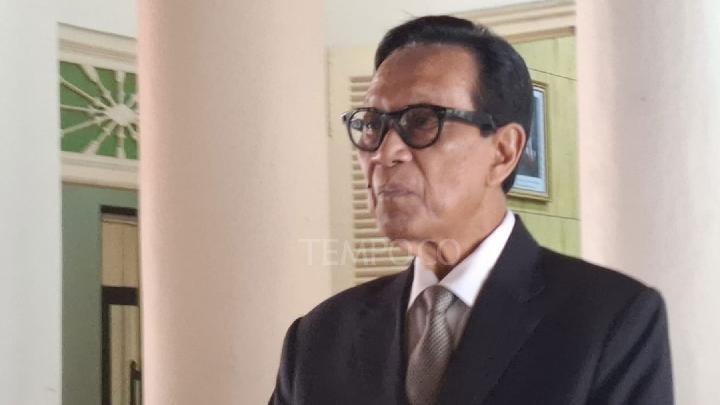
Tempatdonasi.com – Authorities in the Special Region of Yogyakarta have issued a public warning after an artificial intelligence-generated video falsely portrayed Sri Sultan Hamengku Buwono X as endorsing financial management and leasing services.
The manipulated footage, which has circulated on social media, was created from an older recording of the Yogyakarta Sultan and Governor. Its audio track and lip movements were altered to make it seem as if he had delivered a promotional message connected to financial services. The regional administration has stressed that the video is fabricated and is being used as part of a fraud attempt.
The case highlights a growing concern around deepfake technology, which can modify existing video material in ways that make public figures appear to say or support things they never did. In this instance, the use of a trusted and recognizable local leader’s image may make the misleading content more persuasive to viewers who do not recognize the signs of digital manipulation.
Regional Government Labels Video a Hoax
Ditya Nanaryo Aji, the public relations coordinator at the General Affairs, Public Relations, and Protocol Bureau of the DIY Regional Secretariat, said the circulating material was not authentic. He described the false video as a familiar form of online deception.
The hoax video falsely attributed to the Governor is a typical scam,
Ditya made the statement on Wednesday, September 9, 2026. The DIY Regional Government said the altered footage had been produced with AI technology and that its apparent purpose was to mislead people into engaging with fraudulent financial offers.
Officials noted that some viewers had reacted favorably to the video online, even though the visual and sound alterations could be noticed. That response has raised concern that a portion of the public may have accepted the fabricated message as genuine.
Deepfakes can be especially difficult to assess when they use familiar faces, recognizable voices, and short clips that are viewed quickly on social media. A video may look convincing at first glance even when small details, such as unusual lip synchronization, unnatural speech rhythm, or unclear claims about a product, suggest it has been manipulated.
Digital Literacy Campaign Expanded
The regional government has responded by marking the misleading post through its official Instagram account and asking users not to redistribute it. The administration is also emphasizing digital education, with the DIY Communication and Informatics Agency increasing direct public outreach in villages.
Ditya said the awareness effort is intended to help people understand how far AI tools have developed and why online content requires greater caution. The message is particularly aimed at social media users in the Baby Boomer, Generation X, and early Generation Y groups.
Hopefully, this public awareness effort will provide clarity—especially to social media users in the Baby Boomer, Gen X, and early Gen Y demographics—that AI technology has advanced significantly and requires vigilance,
For viewers, the immediate precaution is to avoid trusting financial promotions solely because they appear in a video featuring a public official or well-known figure. Posts involving investment, leasing, payment services, or financial management should be checked through verified institutional accounts and official contact channels before any personal information, money, or documents are shared.
Users can also help limit the reach of deceptive material by refraining from reposting it, even when sharing it as a warning. Reporting suspicious content through the relevant platform and directing friends or family members to official clarifications can reduce the chance that a scam spreads further.
Second Misuse of Sultan HB X’s Image in 2026
This is the second similar incident involving the image of Sultan Hamengku Buwono X within a relatively short period. In July 2026, he was also falsely featured in an AI-based scam involving purported transactions for ancient coins and manipulated payments tied to the buying and selling of goods.
The recurrence demonstrates how the same public image can be reused in different forms of fraud. While one misleading video may promote a financial service, another may focus on sales, payments, or a supposedly limited commercial opportunity. The format may change, but the goal remains the same: to use false credibility to persuade people to act.
Neither the Sultan nor the DIY Regional Government has indicated plans to take legal action in the current case. Instead, the administration is prioritizing correction of the false information and wider public education about digital deception.
That approach places emphasis on prevention. Clear official messaging, local outreach, and stronger awareness of AI-generated content can help residents recognize that a polished video is not automatically proof that a statement is real. As deepfake tools become easier to use, verifying the origin and context of online material is increasingly important before responding to an offer or passing it on to others.
Related Reading
Frequently Asked Questions
What is Yogyakarta Sultan Targeted in Deepfake Financial?
Yogyakarta Sultan Targeted in Deepfake Financial is the main topic of this guide. The article explains the context, practical details, and next steps readers should understand.
Why does Yogyakarta Sultan Targeted in Deepfake Financial matter?
Yogyakarta Sultan Targeted in Deepfake Financial matters because readers are looking for a useful answer, not just a short summary. Good content should match search intent and help them decide what to do next.